
10 Home Décor Ideas Poised to Define 2026
HOME DECOR
Kelly Adams
5/8/20246 min read
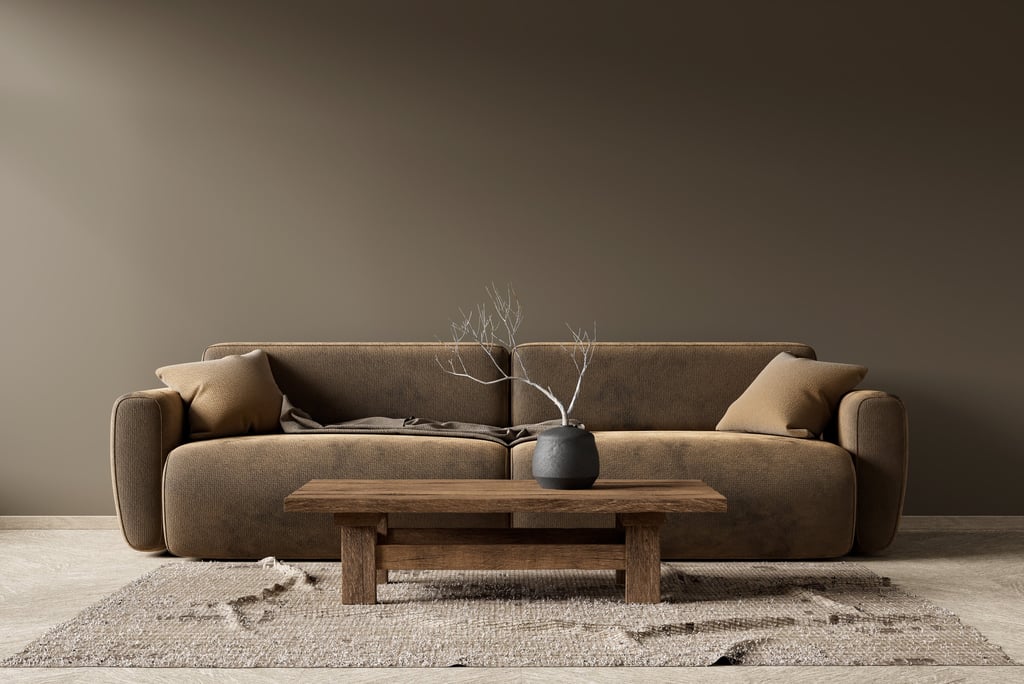
1. Warm Neutrals & Grounding Earth Tones
Say goodbye to cold whites and stark greys. Interiors in 2026 are shifting toward warm neutrals like terracotta, soft mocha, and clay, creating inviting spaces that promote comfort. Imagine a cozy room adorned in these hues, encouraging you to unwind.
How to use it: Paint a feature wall in a grounded hue; pair it with natural wood or linen for a cocooning effect. Incorporate various textures with accessories like woven baskets or plush pillows to enhance warmth and depth in your space.
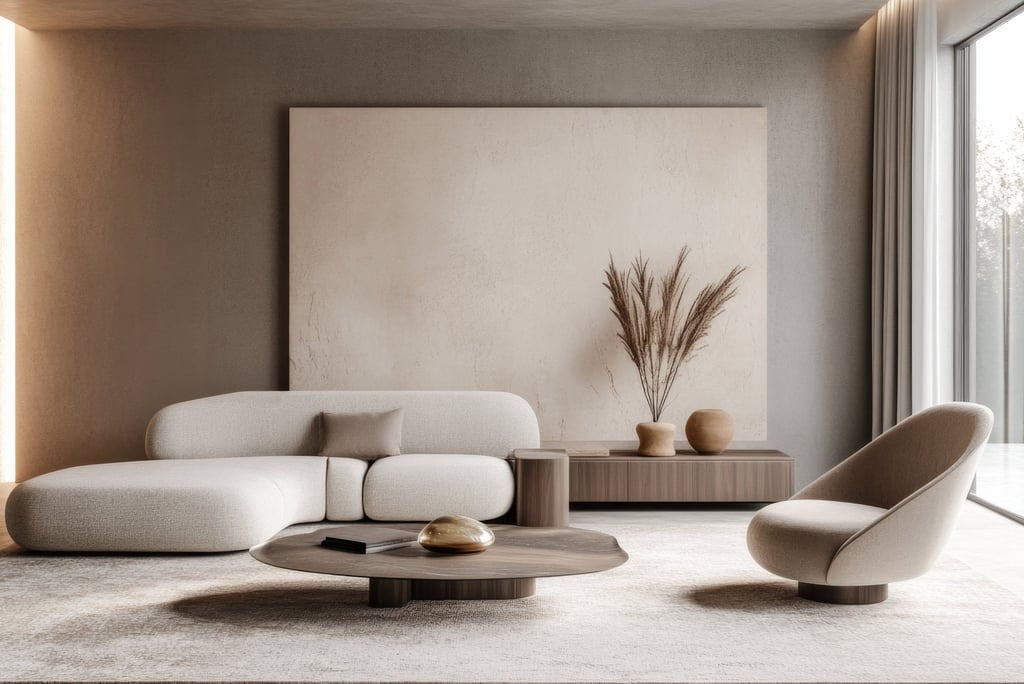
2. Curved Forms & Sculptural Furniture
Furniture and architectural details are evolving with curved sofas, arched doorways, and organic coffee tables becoming essential in contemporary design. This shift from traditional sharp angles promotes a more harmonious aesthetic, creating inviting spaces that evoke comfort and relaxation.
How to use it: If possible, choose one statement piece (like a rounded sofa or sculptural chair) that reflects your style and serves as your room's focal point. Build around it with simpler shapes and complementary elements. Mix textures and materials for a multidimensional look.
Consider how these curved forms interact with light, shadow, and space. Positioning them thoughtfully can enhance natural light and create intriguing shadows. Select color palettes that complement rounded silhouettes, embracing the fluidity these shapes bring into your design.
3. Texture-Rich, Tactile Surfaces
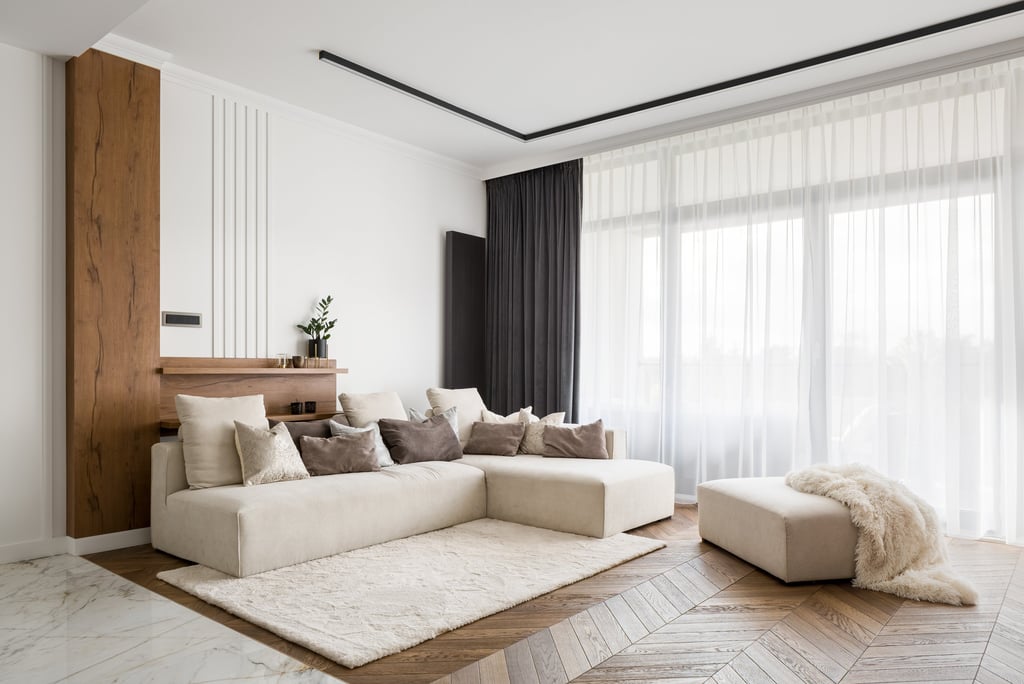
2026’s interiors lean into texture: fluted wood, boucle fabrics, plaster walls, tactile ceramics. These layers not only bring depth but also create a welcome sensory richness that invites interaction. The warmth of the wood, the softness of the fabrics, and the unique finish of ceramics combine to create an engaging environment that pleases both the eyes and the touch.
How to use it: Introduce texture through a variety of accessories (such as throw pillows, rugs, and blankets) or carefully chosen small furniture pieces before committing to larger surface areas like walls or major furniture. Start by incorporating these elements gradually to see how they complement your existing space, ensuring a harmonious balance that enhances the overall aesthetic.
Experiment with layering different textures, perhaps by mixing a soft boucle throw against a sleek leather sofa, or adding a tactile ceramic vase to a wooden tabletop. Such combinations can dramatically elevate the visual interest of your living space, making it feel cozier and more inviting.
4. Biophilic & Natural Design
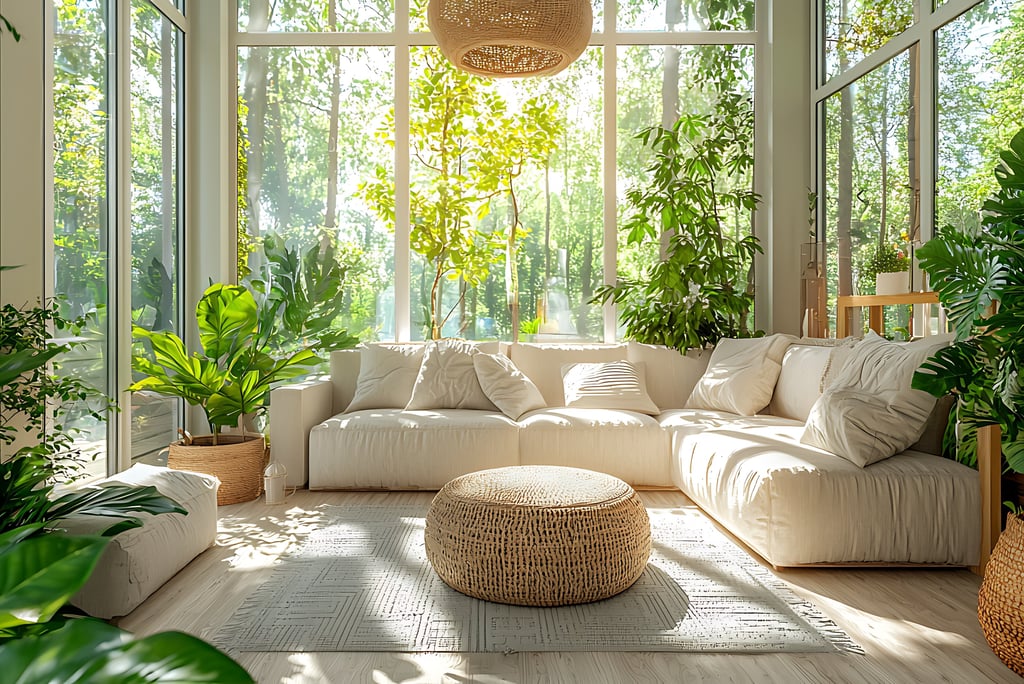
Bringing the outdoors in continues to be strong—plants, natural materials, and design that supports wellness. This trend emphasizes not only aesthetic appeal but also the psychological and physiological benefits associated with a connection to nature. Incorporating elements like greenery, sunlight, and organic textures can transform a space into a haven of tranquility and inspiration, promoting mental clarity and emotional well-being.
How to use it: Add a living wall or large potted plant; choose furniture in natural wood tones; allow for abundant daylight. Consider integrating features such as skylights to maximize natural light, using water elements for tranquility, or even incorporating natural scents through plants like lavender. Let your interior spaces evoke the serene beauty of natural environments, enhancing both your living areas and your personal well-being.
5. Adaptive & Multifunctional Spaces
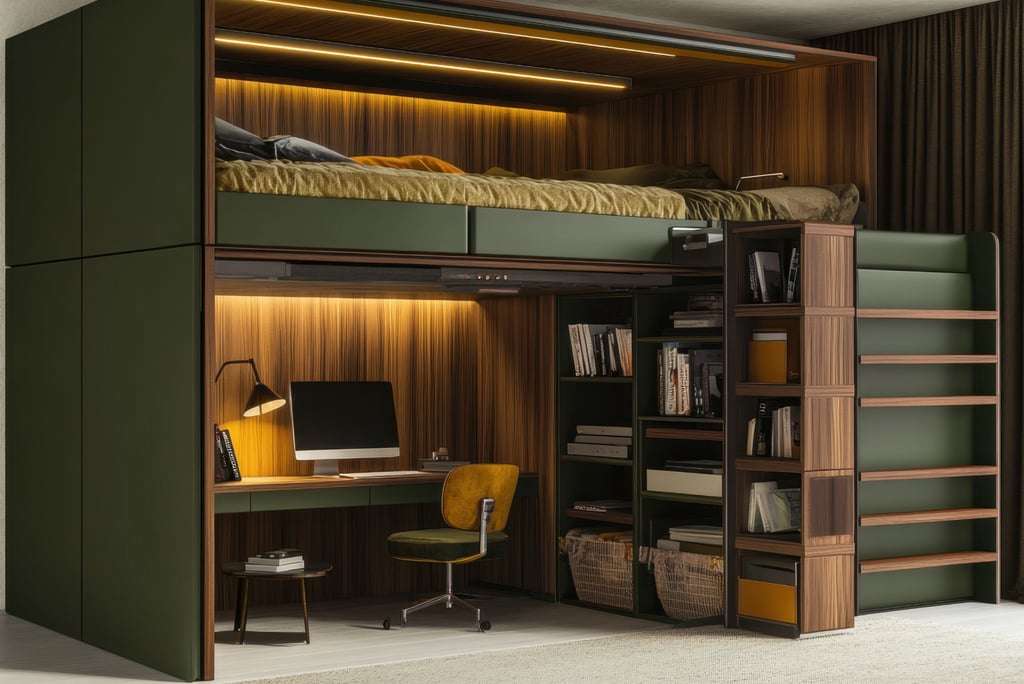
With hybrid work and changing living habits, rooms are expected to serve multiple purposes—workspace by day, relaxation zone by night. In today's fast-paced world, the ability to adapt spaces is crucial to improve productivity and well-being. Consequently, many homeowners and businesses are seeking out innovative designs that can easily transition from one function to another, maximizing the utility of their environments while maintaining a sense of comfort and style.
How to use it: Use furniture that transforms (sofa-bed, fold-down desk), sliding doors, or dividers to create flexible zones. For instance, consider incorporating modular furniture that can be rearranged based on current needs, allowing for quick adaptation whether you are hosting guests, working from home, or simply unwinding after a long day. Moreover, adding multi-purpose storage solutions can help keep any clutter at bay, thereby enhancing the overall functionality and aesthetic of your space.
6. Color Drenching & Bold Hues
Instead of neutrals only, expect rooms drenched in a single color—walls, trim, and ceiling all the same tone. It’s bold and striking, but can feel cohesive and inviting if done right. Imagine walking into a space where every surface is enveloped in a rich, vibrant color, creating an atmosphere that is both dramatic and comforting. This design approach not only makes a statement, but also helps to unify the overall look of the room.
How to use it: Choose a color you love and use it throughout one room; balance with clean lines and simple furnishings to avoid overwhelm. Pairing your chosen hue with minimalistic decor pieces can enhance its impact without causing visual chaos. Consider using varied textures, such as a plush rug or sleek furniture, to add depth while maintaining the color-centric theme. Remember, the key is to let the color shine while providing enough contrast and variety to keep the space feeling fresh and inviting.
7. Warm Minimalism
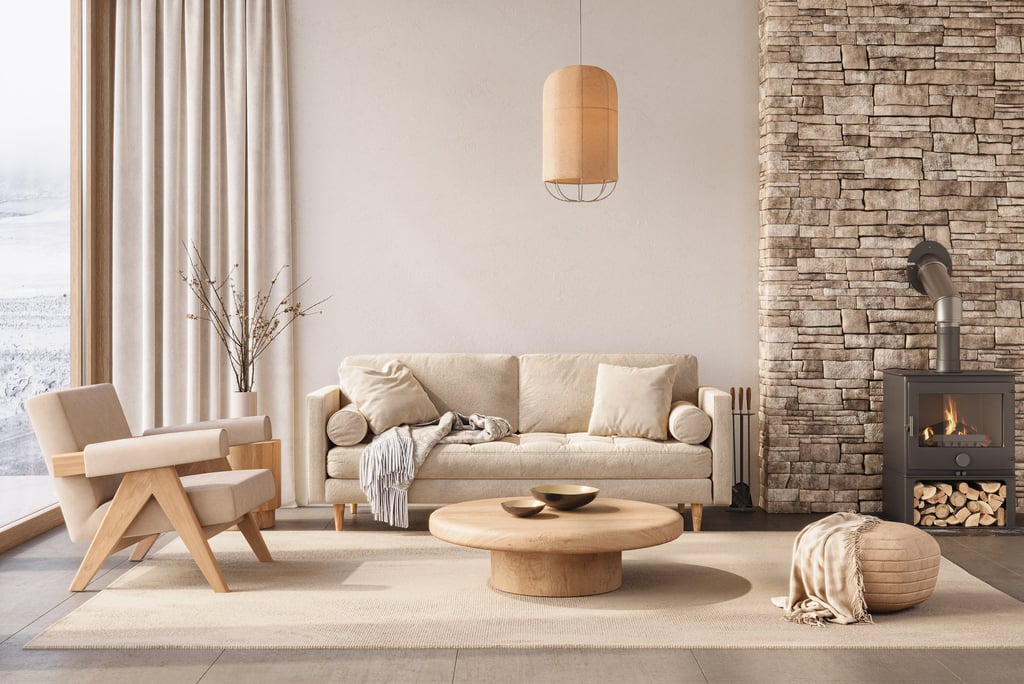
Minimalism doesn’t disappear—it simply evolves. In 2026, the trend is less about stripped-down aesthetics and more about less but better, with an emphasis on warmth, texture, and a sense of calm. This approach invites an ambiance that nurtures comfort and promotes relaxation, allowing spaces to feel inviting rather than stark or cold. It encourages the use of thoughtful design choices that resonate with a deep appreciation for simplicity and functionality.
How to use it: Keep furnishings minimal to create an uncluttered look, but layer in warm tones, natural materials, and tactile pieces that not only add comfort without clutter but also enhance the overall aesthetic of your space. Incorporate textiles that offer a soft touch, such as linen or wool, and choose wood finishes that showcase the beauty of natural grains. Adding elements like plants can bring life and a touch of nature into your minimalistic design, further enhancing the warmth and inviting atmosphere.
8. Statement Furniture Anchors
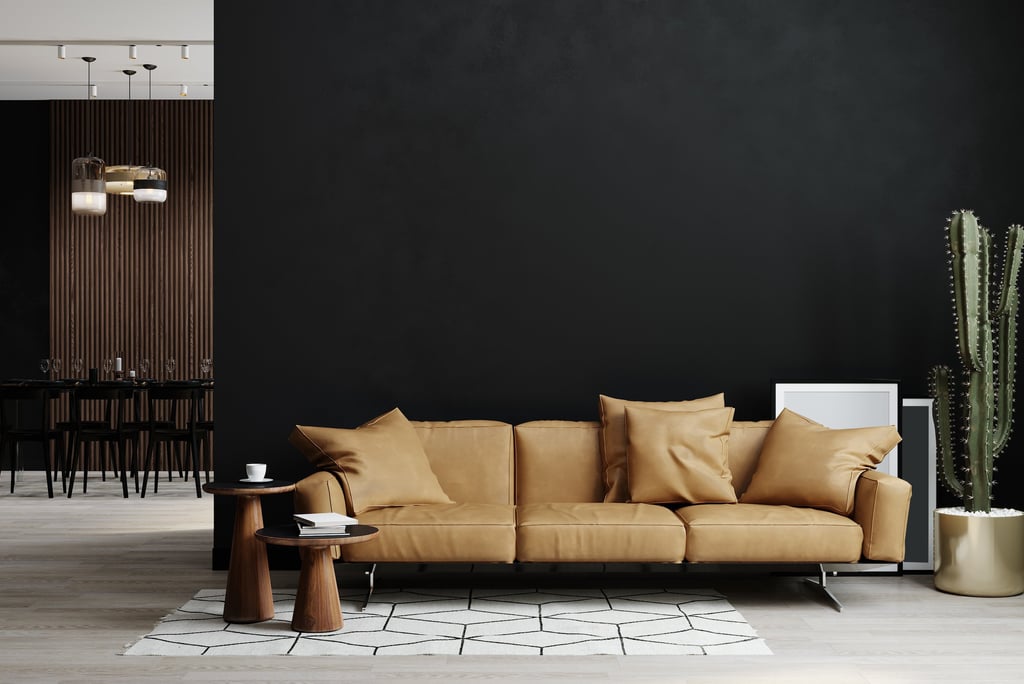
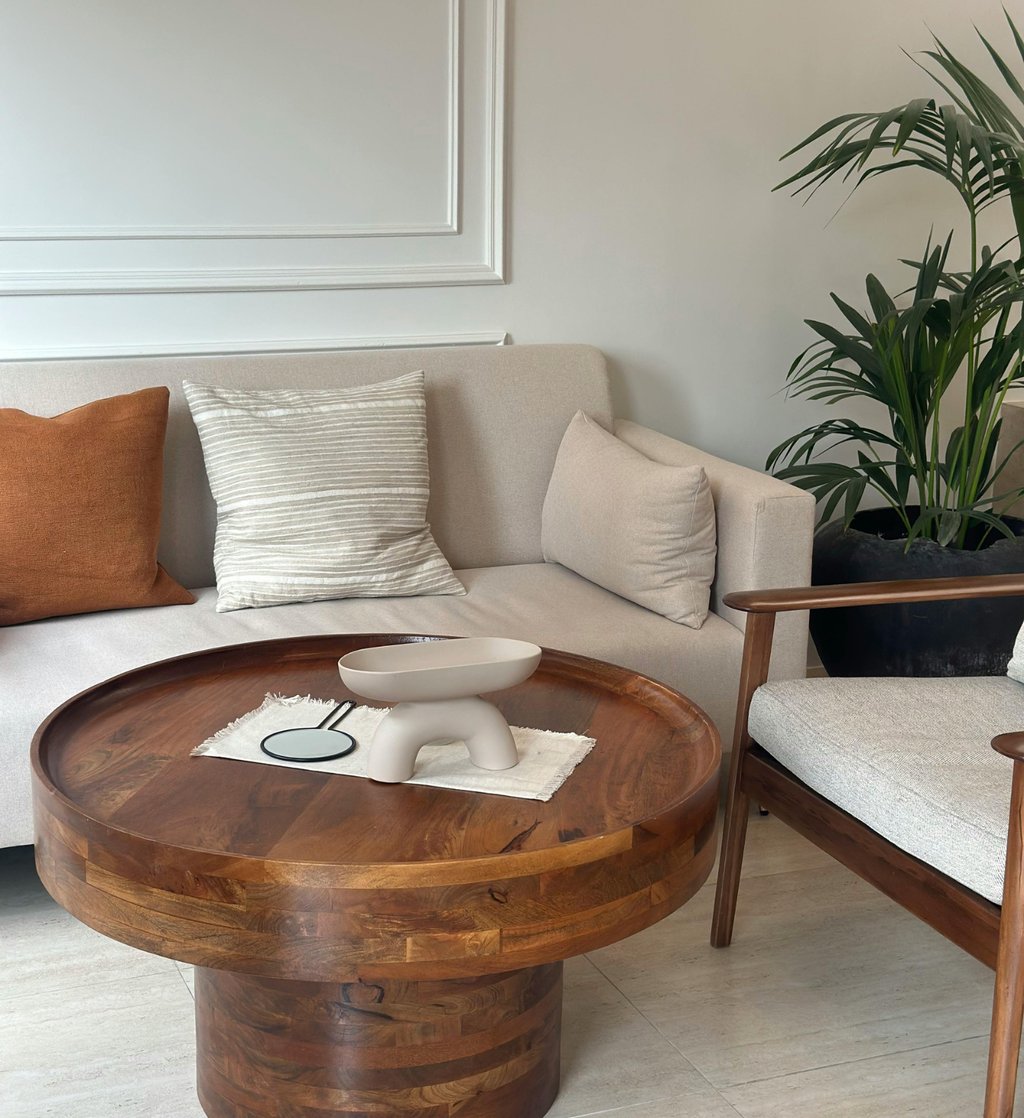
Furniture isn’t just functional—it’s evolving into art. Today, oversized sofas, bold accent pieces, and sculptural tables are more than mere furniture; they are striking focal points that can transform the ambiance of any space, creating a visual impact that draws the eye and sparks conversation. With unique designs and daring colors, these pieces serve as a testament to individuality and creative expression in home decor.
How to use it: To successfully incorporate statement furniture into your home, pick one standout piece that catches your attention—whether it be its shape, color, or size—and build the room around it, ensuring that other elements in the space complement rather than compete with your chosen focal point. For example, if you select a vividly colored sofa, consider using neutral furnishings and accessories to balance the overall look while maintaining a cohesive design. This approach not only highlights the statement piece but also creates an inviting and harmonious environment.
9. Floors & Ceilings as Design Canvases
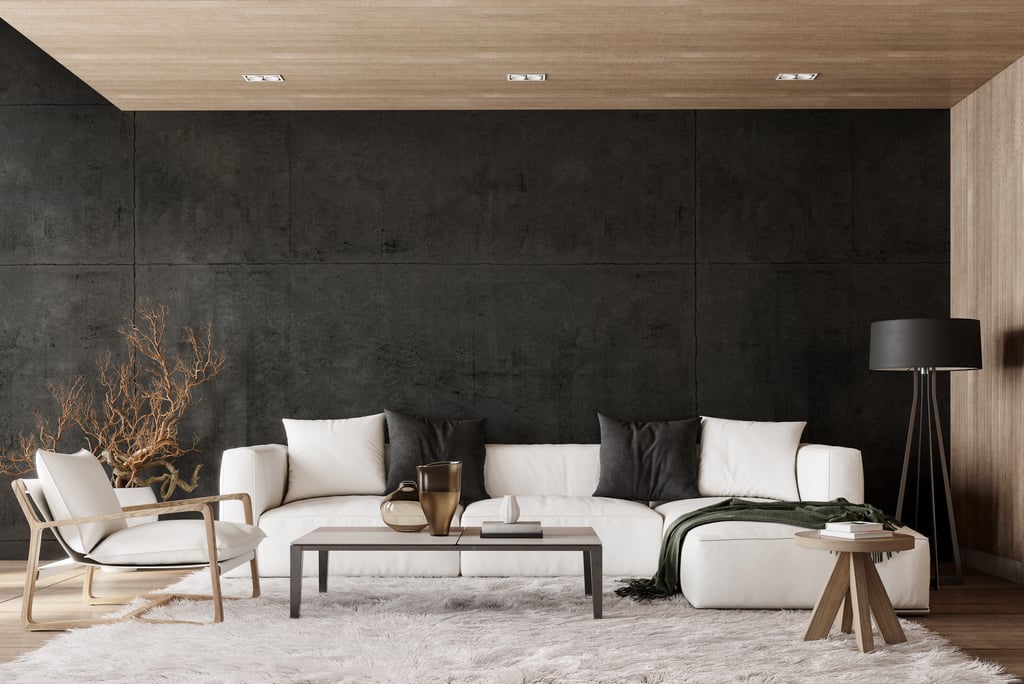
Design attention is shifting beyond walls. Floors and ceilings are becoming places for expression—painted ceilings, bold rugs, unique lighting overhead. In recent years, interior designers have recognized that these often-overlooked surfaces can play a crucial role in enhancing a room's overall aesthetic. The interplay between these elements can transform the perception of space, making it feel larger or more intimate, depending on the chosen designs and colors.
How to use it: Consider painting your ceiling a soft accent color to create a calming atmosphere; or choose a dramatic rug with rich pattern to ground the space and add a sense of warmth and coziness. Experimenting with textures, such as hardwood floors against a coffered ceiling or a plush carpet underfoot can also create a stunning contrast that elevates the design. Additionally, incorporating decorative molding or beams can add depth and character, bringing a unique flair that will leave a lasting impression on anyone who enters the space.
10. Craftsmanship & Celebrating Imperfection
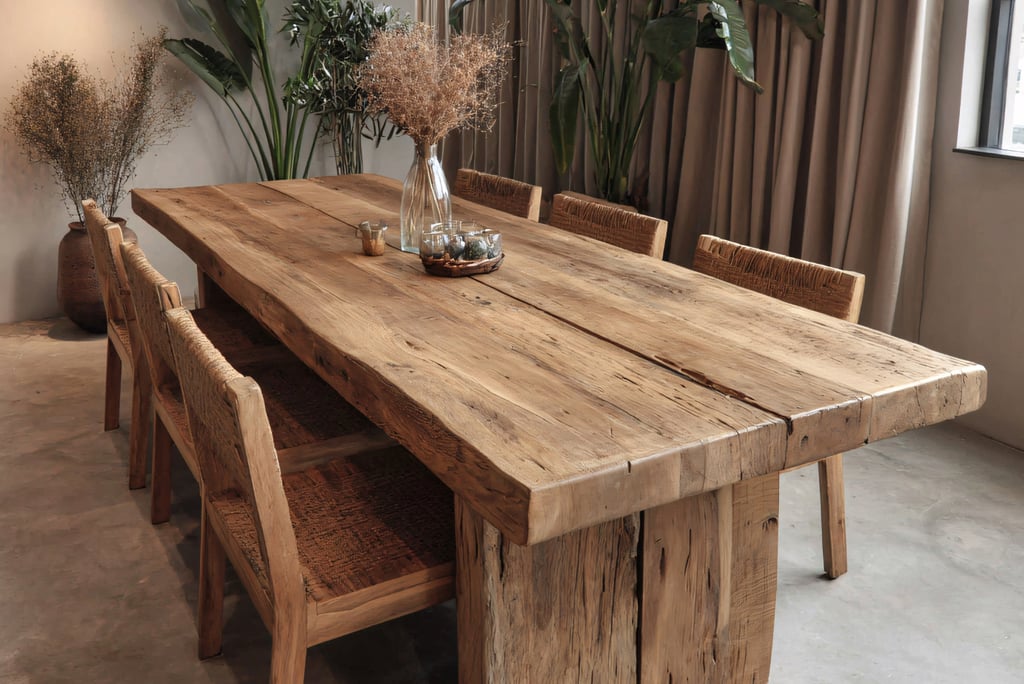
In reaction to mass-manufactured sameness, 2026 will see a renewed love for handmade, artisan-crafted, and imperfect treasures. People will gravitate towards unique items that tell a story, reflecting the personality and values of the maker behind them. This appreciation for craftsmanship moves beyond simple aesthetics; it embraces the journey of creation and the emotional connection one can form with artisanal works.
How to use it: Add vintage or artisanal pieces (e.g., a reclaimed wood sideboard, hand-thrown ceramics) and let them bring personality into your space. Incorporate handmade textiles like quilts or woven wall hangings, as they add warmth and narrative to your environment. Consider mixing various styles and textures to create a curated look that feels both intentional and inviting. By infusing your space with these treasures, you foster an atmosphere that not only celebrates artistry but also invites conversation and admiration.