
A Beginner’s Guide to Decluttering Without Getting Overwhelmed: Simple Steps for Lasting Change
HOME HACKS
12/18/202510 min read
Walking into a room packed with stuff you don’t need can zap your energy before you even get started. You glance around, feel stuck, and wonder where on earth to begin or if you’ll spend your whole weekend just sorting through piles.
The real trick to decluttering without feeling overwhelmed is breaking it down into tiny, doable steps that fit your life and mood. You definitely don’t have to overhaul your whole home in a single day.
Starting small keeps burnout at bay and gives you those little wins you need to keep going.
This guide lays out practical methods for beginners, helps you create a plan you might actually stick with, and offers strategies for each room. You’ll also pick up some tips to keep clutter from sneaking back in after you’ve cleared your space.

Understanding the Decluttering Process
Decluttering means removing unnecessary stuff from your space, not just shuffling your belongings around. This directly affects your mental well-being by creating an environment that supports you instead of holding you back.
What Is Decluttering?
Decluttering is about picking out and removing things from your home that don’t serve a purpose or add value anymore. You go through your stuff, deciding what to keep, donate, sell, or toss.
Ask yourself if you’ve used it lately, if it works, and if it fits your current lifestyle. Cleaning just tackles dirt and mess, but decluttering deals with the sheer amount of stuff in your space.
Start with small, contained areas to build up confidence before taking on bigger projects. Maybe begin with a single drawer, shelf, or just one type of item. That way, you skip the decision fatigue and keep things manageable.
Decluttering vs. Organizing
Decluttering and organizing aren’t the same, though they work together. First, you declutter—get rid of excess. Then, you organize what’s left so it’s easy to find and use.
Lots of people rush to buy storage bins before decluttering, ending up with neat boxes full of stuff they don’t even want. That’s just organizing clutter, not solving the problem.
If you organize before decluttering, you just hide the mess. Closets and drawers might look tidier, but they’re still full of stuff you don’t need. Real organization only happens after you’ve pared things down to what matters.
Benefits of a Clutter-Free Space
A clutter-free space honestly makes a difference. Research says cluttered rooms raise cortisol, the stress hormone that drags down your mood and energy.
Clear out the extras and you’ll notice:
Mental clarity – It’s easier to process what you see without so much visual noise.
Reduced stress – You spend less time hunting for things and feel more in control.
Improved focus – Fewer distractions mean you can actually get stuff done.
Easier cleaning – Less to dust and organize, which honestly feels like a relief.
Better sleep – A simplified bedroom just feels more restful.
Plus, you’re less likely to buy duplicates when you can see what you already own. Less stress and more time for what you actually enjoy? That’s a win.


Decluttering Methods for Beginners
Using structured methods helps you make steady decisions about your stuff without agonizing over every little thing. Here are three approaches that make it easier to get started.
The Four-Box Method Explained
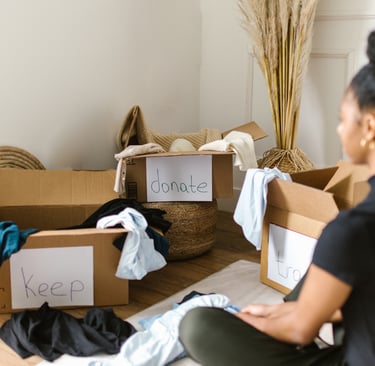
Set up four containers before you begin. Label them "Keep," "Donate," "Trash," and "Relocate" for things that belong somewhere else.
Pick up each item and decide instantly which box it goes in. This keeps you from making random piles that just get mixed up again.
Keep only what you use or genuinely need. Donate stuff in good shape that you don’t want. Trash anything broken or expired.
Use the "Relocate" box for things that wandered into the wrong room. As soon as you finish an area, put those items where they actually belong before starting somewhere new.
Implementing the 12-12-12 Rule
The 12-12-12 rule is pretty straightforward: find 12 things to throw away, 12 to donate, and 12 to put back where they belong. It’s great if you’re feeling overwhelmed since it gives you a clear, doable target.
You can usually do this in under an hour if you move quickly. The number keeps you from overthinking.
Start with the obvious such as expired stuff, broken things, and actual trash go in your discard pile. Duplicates and unused gifts can go to donation.
The 12 things to relocate might be shoes by the door that should be in the closet, or dishes left in bedrooms. This helps tackle the everyday clutter that just piles up.
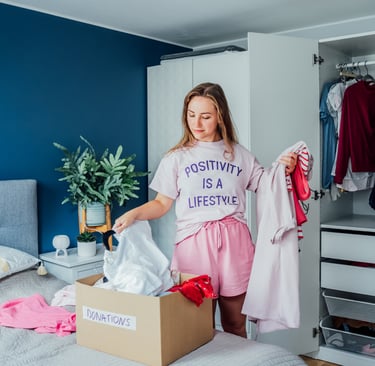
Using a Donation Box System
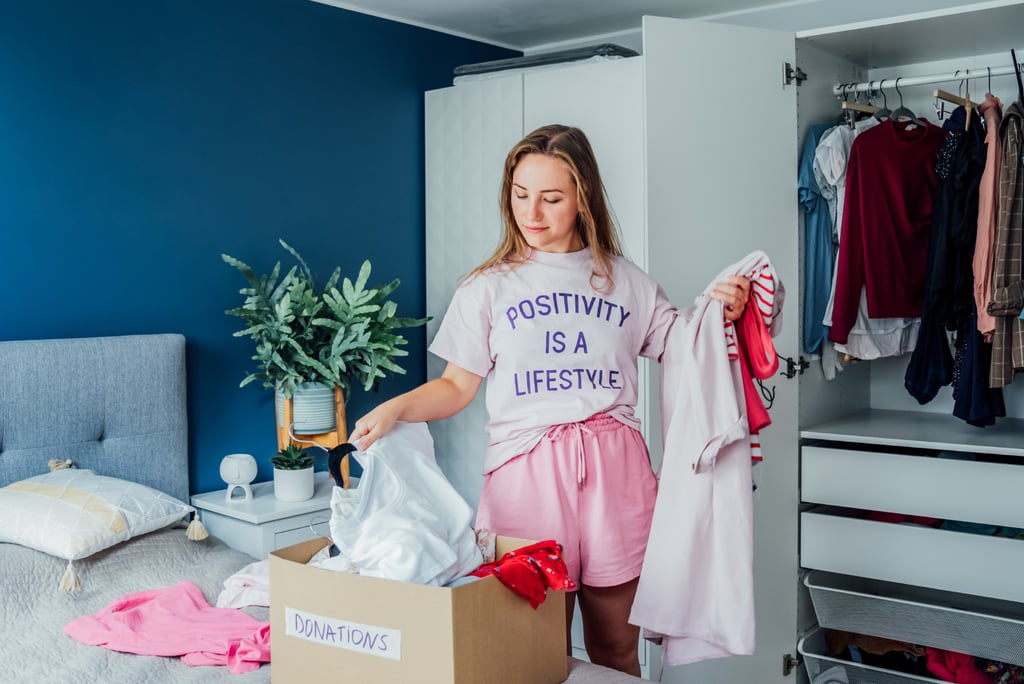
Put a donation box somewhere handy such as your closet, garage, or mudroom. This way, you can toss things in as you come across them, instead of waiting for some big decluttering day.
Whenever you spot something you don’t use, drop it in the box right away. That way, it doesn’t sneak back onto a shelf.
Once the box is full, tape it up and schedule a donation drop-off that week. If getting it there is tough, lots of places will pick it up.
Keep the box visible but not smack in the middle of everything. Seeing it reminds you to use it, but tucking it away a bit keeps things neat. Swap it out for a new box as soon as you donate, so the habit sticks.
Creating and Following a Decluttering Plan
A decluttering plan turns a big, scary job into smaller, doable steps. Break your home into projects and set timelines that actually fit your life. That way, you keep moving forward and can see real progress as you go.
Breaking Decluttering Into Manageable Projects
Start with smaller projects so you don’t get overwhelmed. Focus on one spot at a time, not the whole house.
Try these project sizes depending on your time:
10-minute projects: One drawer, medicine cabinet, or a single shelf.
30-minute projects: Kitchen pantry, linen closet, or bathroom vanity.
1-hour projects: Closet, garage workbench, or your desk.
Half-day projects: Kitchen cabinets, master bedroom, or storage room.
Pick projects that match your mood and schedule. Clearing out a junk drawer is way less daunting than the garage, so save the big stuff for when you have more time.
Write each project down along with how long you think it’ll take. That helps you see what needs doing and makes it easier to fit into your calendar.
Establishing a Room-by-Room Schedule
Make a decluttering checklist to stay on track and avoid bouncing between rooms without finishing anything. Assign dates to each area.
Block out time on your calendar, just like you would for a real appointment. Use a bold color so it stands out. Even short 15-minute sessions add up if you stick with them.
Tackle the tough spots when you’ve got more energy so save the basement or attic for weekends. Do easy areas like bathroom cabinets on weeknights.
Set a goal for when you want to finish everything. Having a target gives you a little nudge and helps you see if you need to adjust your pace.
Tracking Progress and Celebrating Success
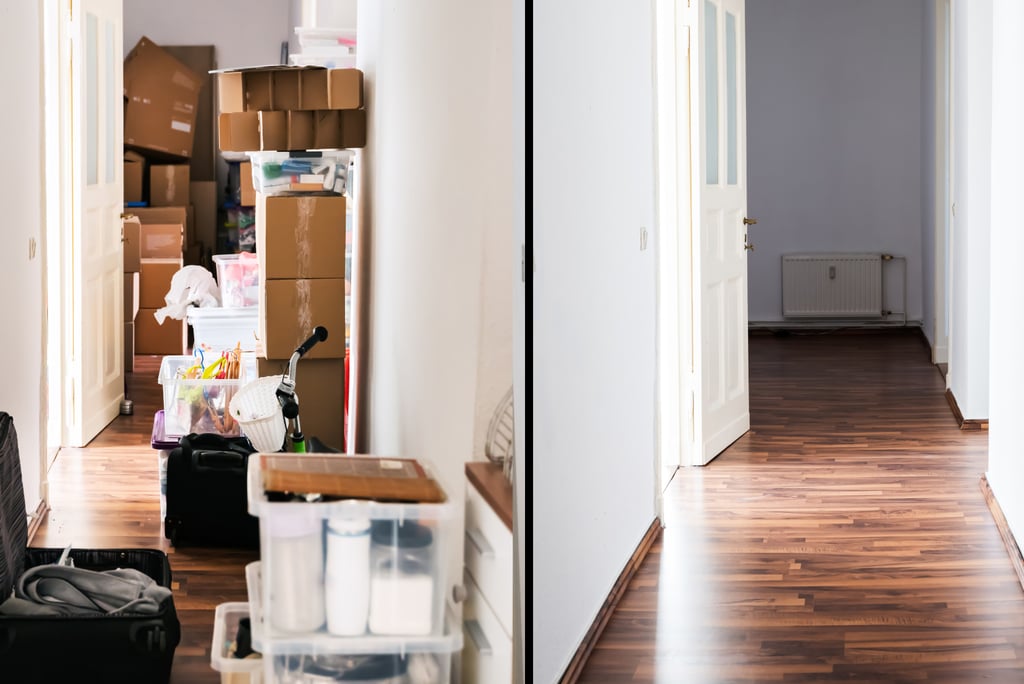
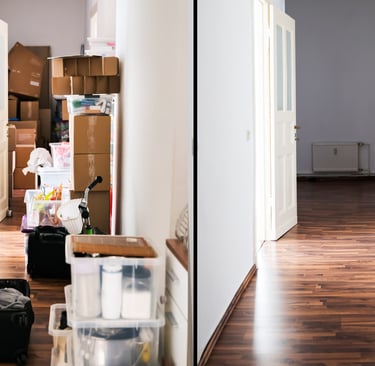
Snap before-and-after photos of each finished area. Seeing the difference is surprisingly motivating when you hit a rough patch.
Check off each task as soon as you finish it. That little hit of accomplishment really helps keep you motivated.
Celebrate big milestones. If you finally clear out a tough room, order takeout or spend the night watching your favorite show. Treats like that make the process way less of a chore.
Room-by-Room Decluttering Strategies
Splitting your home into zones makes the whole process less stressful and way more doable. Focus on high-impact areas first (bedrooms, kitchens, and paper piles) so you see results fast and feel encouraged to keep going.
Declutter Your Bedroom for Better Rest
Your bedroom should feel like a peaceful retreat, but clutter messes with your sleep and morning routine. Start by taking out anything that doesn’t belong: dishes, trash, paperwork, even exercise gear.
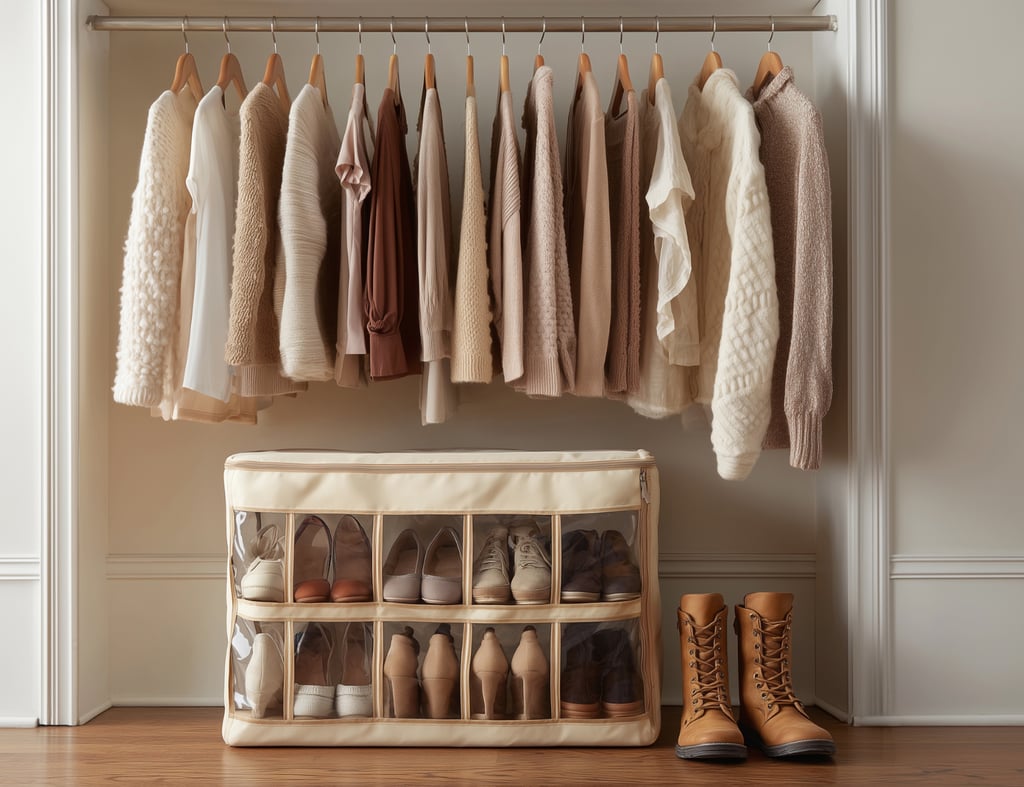
Go through your closet and pull out clothes you haven’t worn in six months. Keep only what fits and makes you feel good. Use the four-box method for sorting: keep, donate, trash, and relocate.
Nightstands are clutter magnets. Clear them off, then only put back the essentials, for instance, a lamp, alarm clock, maybe a book or two. Tuck extras in drawers or move them to where they belong.
Check under the bed as it’s usually hiding forgotten stuff. Pull it all out, vacuum, and only store things you actually need, like off-season clothes in flat containers. Organizing your closet systematically keeps clothes from piling up again.
Simplifying the Kitchen and Living Areas
Kitchens gather duplicates fast. Do you really need three sets of measuring cups or all those mugs? Keep one of each essential and donate the rest.
Clear your counters completely, then only put back what you use daily. Coffee makers and knife blocks might stay; rarely-used gadgets can go in cabinets. This gives you more workspace and cuts down on visual clutter.
The living room is a landing zone for everyone’s stuff. Assign homes for remotes, magazines, and electronics. Use baskets or trays for small things on coffee tables. Try to deal with mail right away so it doesn’t pile up.
Tackle one cabinet or drawer at a time instead of emptying everything at once. This keeps messes manageable and lets you see progress without feeling buried.
Tackling Paper and Digital Clutter
Paper clutter sneaks in almost daily, so you need a plan. Try three sorting categories: action needed, file for reference, and recycle.
Handle incoming mail right away and avoid just tossing it on the table. If you let it pile up, it becomes overwhelming fast.
Set up a basic filing system with clearly labeled folders for taxes, medical records, insurance, and warranties. Scan the important stuff and keep digital copies as a backup.
Shred any papers with personal info before tossing them in the recycling. Honestly, it’s worth the extra minute for peace of mind.
Digital clutter drags down productivity and just feels stressful. Take a few minutes weekly to delete duplicate photos, unused apps, and old downloads.
Instead of letting files scatter all over your desktop, organize them into labeled folders. You’ll thank yourself later.
Unsubscribe from email lists that you never open. Create folders for messages you actually need, and clear out promotional emails every day if you can.
Cloud storage helps, but only if you organize files into searchable categories. Dumping everything into one spot just shifts the mess online.
Maintaining a Clutter-Free Life
Keeping things organized takes more than a weekend clean-up. You’ve got to build habits and rethink how you see your stuff.
Honestly, routines matter way more than one big purge. If you want your space to stay tidy, it’s about prevention and sticking to what fits your values.
Tips for Staying Organized Long-Term
Daily cleaning helps maintain a clutter-free home without making you feel like you’re always cleaning. A quick 10-15 minute routine in the morning or evening keeps mess from taking over.
Try the one-in-one-out rule. For every new thing you bring home, let go of something similar.
This works great for clothes, books, toys, kitchen gadgets, these can be basically anything that tends to pile up.
Give everything you own a home. If something doesn’t have a spot, it turns into clutter sooner or later.
Store the stuff you use every day at eye level. Put weekly-use things up higher, and stash seasonal items in spots like the attic or under the bed.
Deal with mail as soon as it lands on your counter. Toss junk, file the important papers, and handle urgent stuff right away.
Set a timer for 10 minutes and tackle a clutter hotspot such as the kitchen counter or the entryway table. It’s surprising how much you can get done in a short burst.
Every three months, do a quick review of your things. Focus on one category at a time (like clothes or holiday decorations) so it doesn’t get overwhelming.
Introducing Minimalist and Intentional Living
Minimalism isn’t about owning the bare minimum. It’s about keeping what actually matters and letting go of the rest.
Being intentional means thinking twice before buying something new. Does it fill a real need? Does it fit your goals, or is it just a fleeting want?
Try the 90/90 rule: if you haven’t used something in the last 90 days and won’t in the next 90, maybe it’s time to let it go. Of course, keep seasonal gear and important documents.
When your space isn’t packed with stuff, your mind feels clearer. Fewer distractions means more energy for work, friends, or just relaxing—at least, that’s how it feels to me.
Joining a Decluttering Challenge
Decluttering challenges give you some structure and a bit of accountability when you're trying to keep your home clutter-free. These events usually run for a set time and nudge you to tackle certain areas or numbers of items each day.
The 30-day minimalism game is a pretty popular one. On day one, you let go of a single item; on day two, it’s two things, and so on (kind of ramps up fast, honestly).
Some challenges stick to one category or room for the whole month. You can find these through social media groups, organizing blogs, or even random community forums if you poke around a bit.
Joining in with others definitely helps with motivation. It’s easier to keep going when you know you’re not the only one hesitating over that old sweater or stack of magazines.
Sharing progress photos can be surprisingly fun and gives you a reason to celebrate small wins. Plus, you might just inspire someone else to jump in.
Set goals that actually fit your schedule and energy—don’t bite off more than you can chew. If a month-long challenge sounds like too much, just start with a shorter one.
Checklists or journals make tracking your progress way easier. That way, you can actually see how far you’ve come and maybe even feel a little proud of yourself.