
Bedroom Layout Rules That Instantly Improve Sleep Quality
LIFESTYLE
12/15/20259 min read
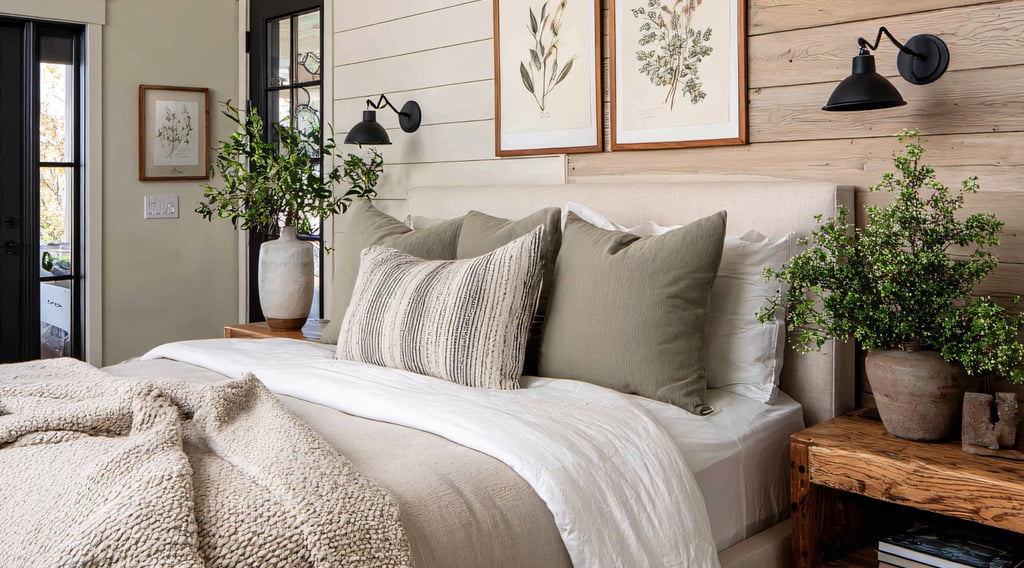
How you arrange your bedroom has a real impact on your sleep. Putting your bed against a solid wall, away from windows and doors, controlling the lighting, and cutting down on clutter—these layout tweaks can help you fall asleep faster and actually stay asleep longer.
These aren’t just about style; they’re rooted in solid sleep science and interior design principles. Oddly, plenty of people spend a fortune on fancy mattresses and bedding but don’t think about how the rest of the room affects their rest.
Just moving the bed or adjusting the temperature can turn a chaotic bedroom into a real sleep sanctuary. Sometimes, all it takes is a few smart layout choices to go from tossing and turning to actually sleeping soundly.
Anyone can use these bedroom layout rules—room size and budget don’t matter much. Whether you’re just shifting some furniture or setting up a tech-free zone, each little change helps build a space that’s actually designed for good sleep.


Create a Sleep-First Bedroom Layout
If you want better rest, start with how you arrange your furniture. Putting the bed against a wall frees up space, and a few smart furniture choices make the whole room feel calmer.
Optimal Bed Placement for Rest
The bed’s position really sets the mood for the whole room. Designers usually suggest putting it in the “command position” you can see the door, but you’re not right in front of it.
This setup gives you a subtle sense of security and helps your mind chill out. Make sure there’s space on at least two sides of the bed (24 inches is a good minimum) so you don’t feel boxed in or trip over stuff.
Placing the bed against a solid wall adds stability and saves floor space, which is especially handy if your bedroom’s on the small side. Windows can be tricky because if you put the bed too close, you might get blasted with light or cold air.
Keeping some distance from windows helps keep things dark and cozy. Nobody wants a draft ruining their sleep.
Balancing Bedroom Furniture
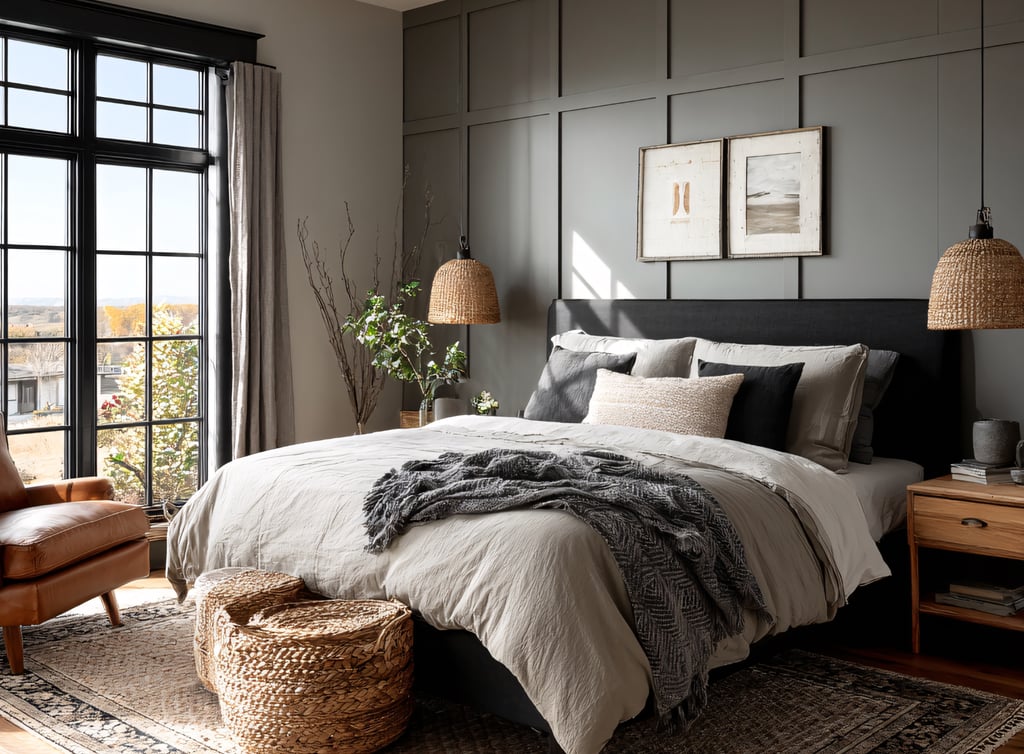
Picking the right furniture can turn your bedroom into a legit sleep haven. Dressers and nightstands should fit the space and not make things feel crowded.
Two matching nightstands add symmetry and give you a spot for lamps, books, or whatever you need to wind down. Here are a few guidelines that make sense:
Put dressers against walls opposite or next to the bed
Pick nightstands that match your bed’s height
Choose storage pieces to cut down on visible clutter
Use floating shelves if you’re tight on floor space
Each piece should have a reason to be there so if it doesn’t help you sleep or get ready in the morning, maybe it’s just in the way. Too much furniture just makes things chaotic.
Maintaining Open Pathways
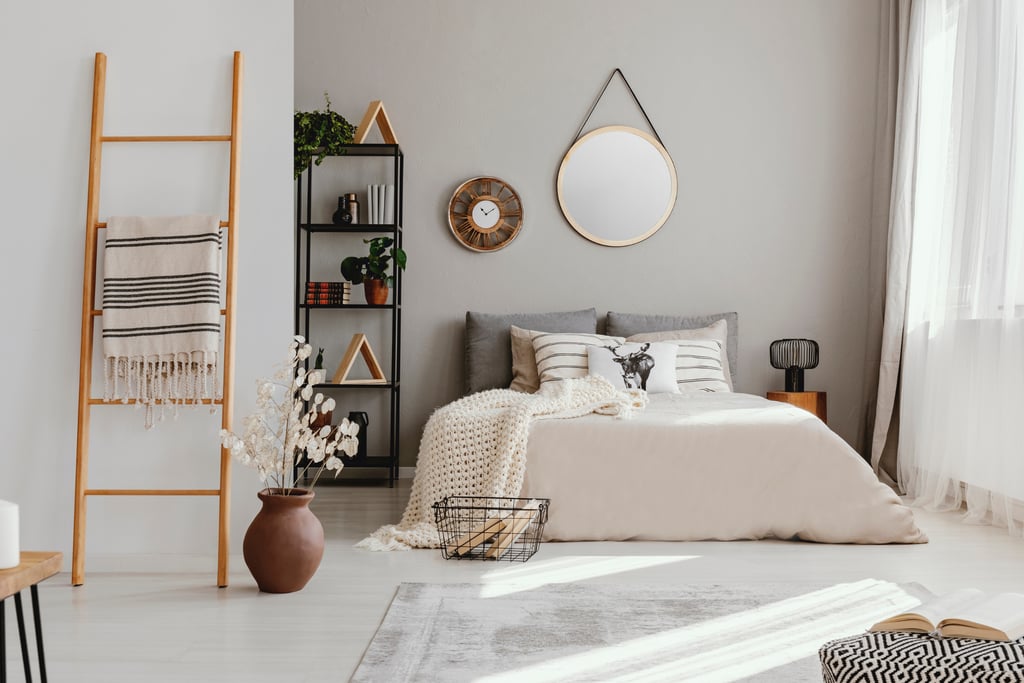
Let’s be honest, a clutter-free bedroom makes sleep easier by lowering visual stress. Clear paths from the bed to the door or closet help you avoid tripping and just make the room feel lighter.
Try to keep walkways at least 30 inches wide. That way, you can move around comfortably, especially during those late-night bathroom runs.
Good storage keeps stuff off the floor and out of your mind. Under-bed bins, wall shelves, and vertical storage can really open up the space.
When everything has a home, your bedroom stays a place for rest, not a dumping ground for random stuff.

Declutter, Organize, and Minimize Distractions
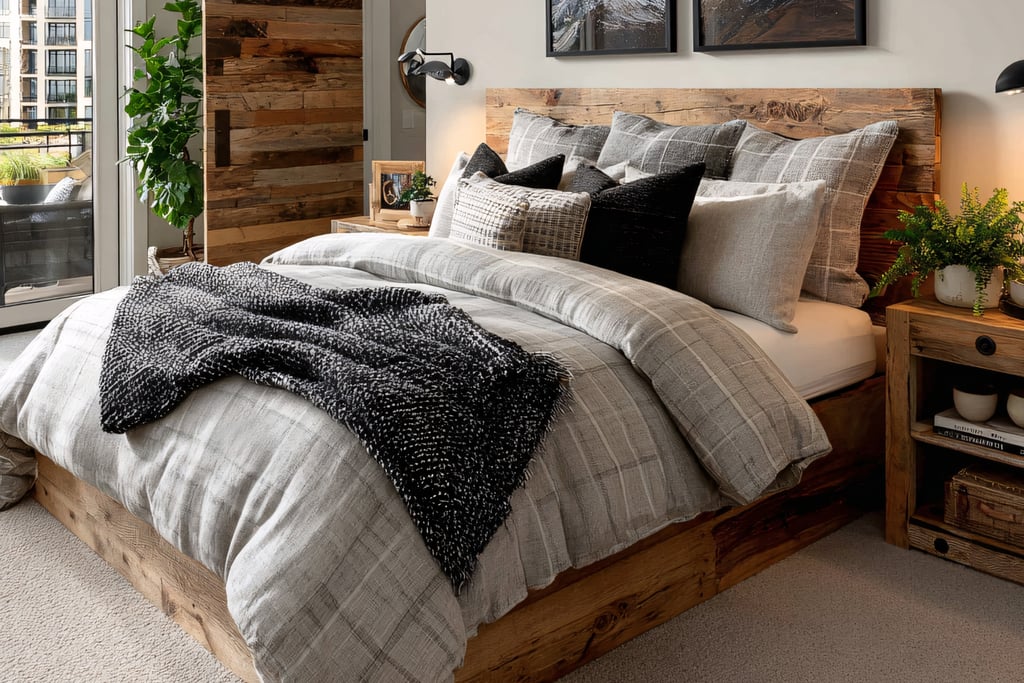
Too much stuff and too many screens in the bedroom just create mental noise. Getting rid of clutter, using smart storage, and setting up device-free spots can turn a hectic room into a restful one.
Decluttering for a Calmer Mind
Physical clutter messes with your mind and ramps up nighttime anxiety. When surfaces are covered, your brain sees everything as a to-do list, which makes relaxing harder.
Just making the bed brings instant order. Try clearing nightstands except for the essentials—a lamp, an alarm clock, maybe one book.
Clothes belong in the closet or hamper, not on chairs or floors. Stuff like work papers or workout gear? Move those out because your bedroom isn’t an office or gym.
Honestly, you don’t need perfection—just keep visible items to what actually helps you relax or sleep.
Smart Bedroom Storage Solutions
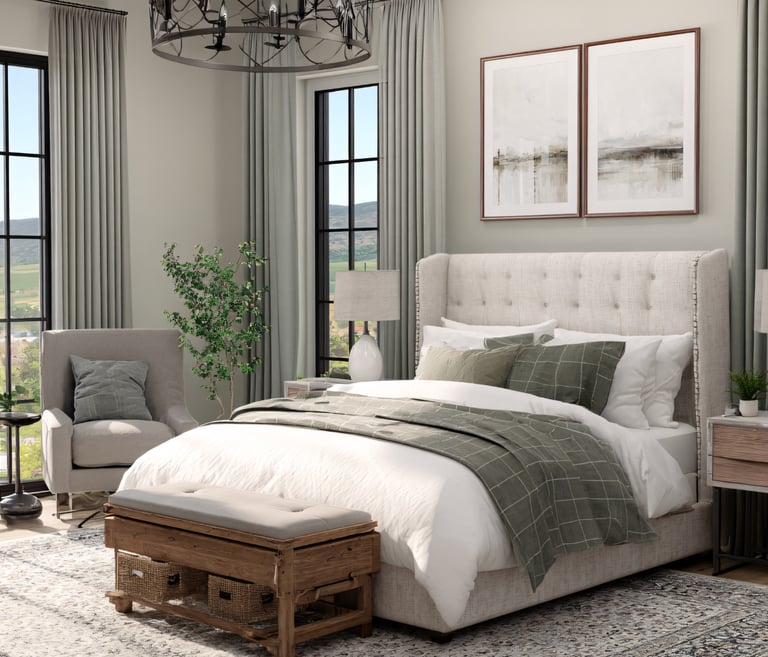
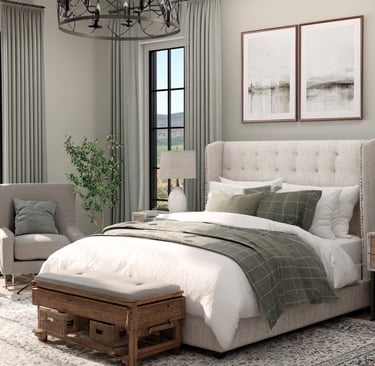
Under-bed storage is a lifesaver for hiding off-season clothes or extra linens. Shallow bins keep things tidy and out of sight, and you won’t trip over them.
Vertical storage (think floating shelves or tall bookcases) frees up the floor for walking space. It’s easier to find what you need, too.
Closet organizers with double rods and dividers keep clothes from taking over the room. Drawer organizers keep socks and accessories from becoming a tangled mess.
Bedside tables with drawers hide away cords, glasses, and other little things. Clear containers or labeled bins in the closet make it easier to keep track of stuff.
The right storage stops clutter before it even starts.
Tech-Free and Distraction-Free Zones
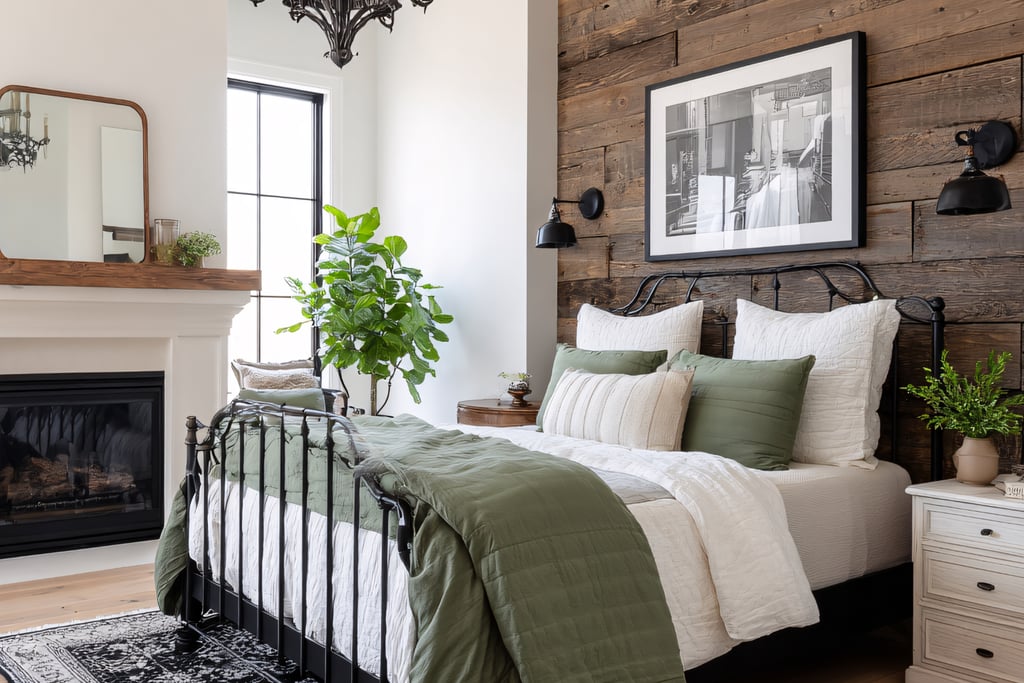
Setting up a tech-free zone means moving TVs, computers, and tablets out of the bedroom. These gadgets pump out blue light, which can really mess with your sleep hormones.
Try charging your phone in another room or at least across the bedroom—not right next to your head. That way, you’re less tempted to scroll before bed, and notifications won’t wake you up.
Work stuff such as laptops, paperwork, office supplies, should stay out. If you bring work into your bedroom, your brain starts to associate the space with stress, not sleep.
Noisy electronics or ticking clocks? Swap them for quieter options. Even little sounds can chip away at your sleep quality.
Honestly, the bedroom works best when it’s just for sleep. The rest of life’s stimulation can wait until morning.


Set the Scene: Light, Color, and Ambient Elements
The room’s lighting, color, or plants, can make a surprising difference in how fast you fall asleep and how well you stay asleep. Choosing the right details helps your body’s natural sleep process do its thing.
Bedroom Lighting That Supports Sleep
Light tells your body when it’s time to sleep or wake up. Blue light from screens and bright overheads messes with melatonin, so it’s harder to get sleepy at night.
A layered lighting setup is best. Use bright lights for mornings, but switch to dimmer, warmer lamps as bedtime gets closer.
Blackout curtains block streetlights and early sun. Heavy drapes help muffle outside noise, too.
Try to avoid screens for at least an hour before bed. Keeping devices out of reach makes it easier to stick to this, even if you’re tempted.
Choose Calming Bedroom Colors
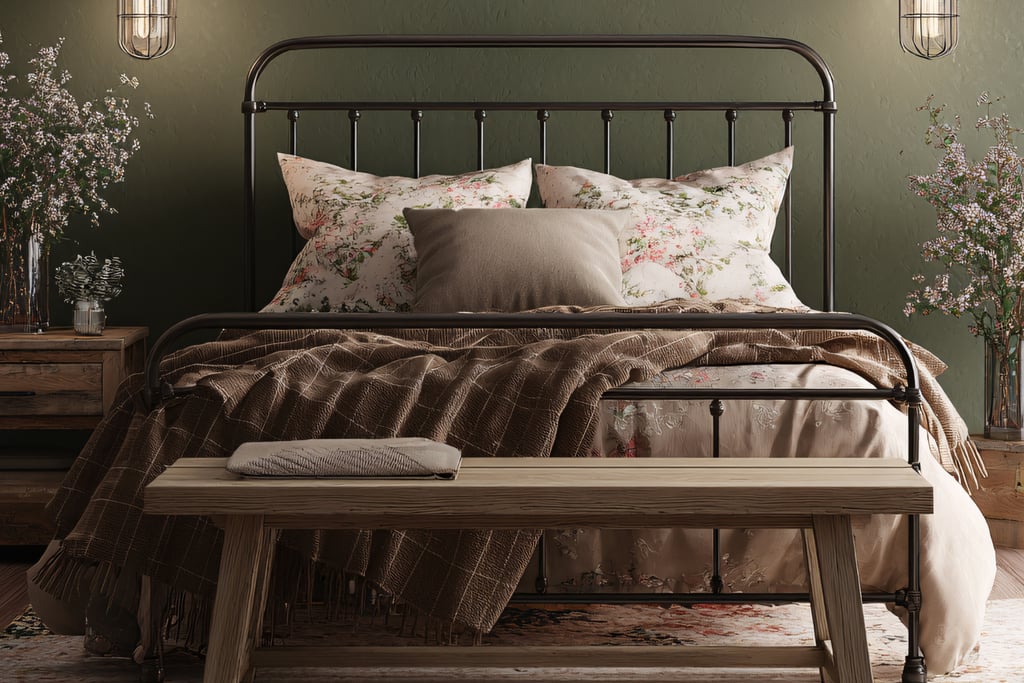
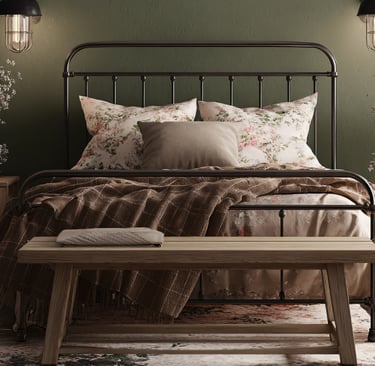
Color psychology really does matter for sleep. Some shades help you unwind, while others make you feel wired.
Great paint choices:
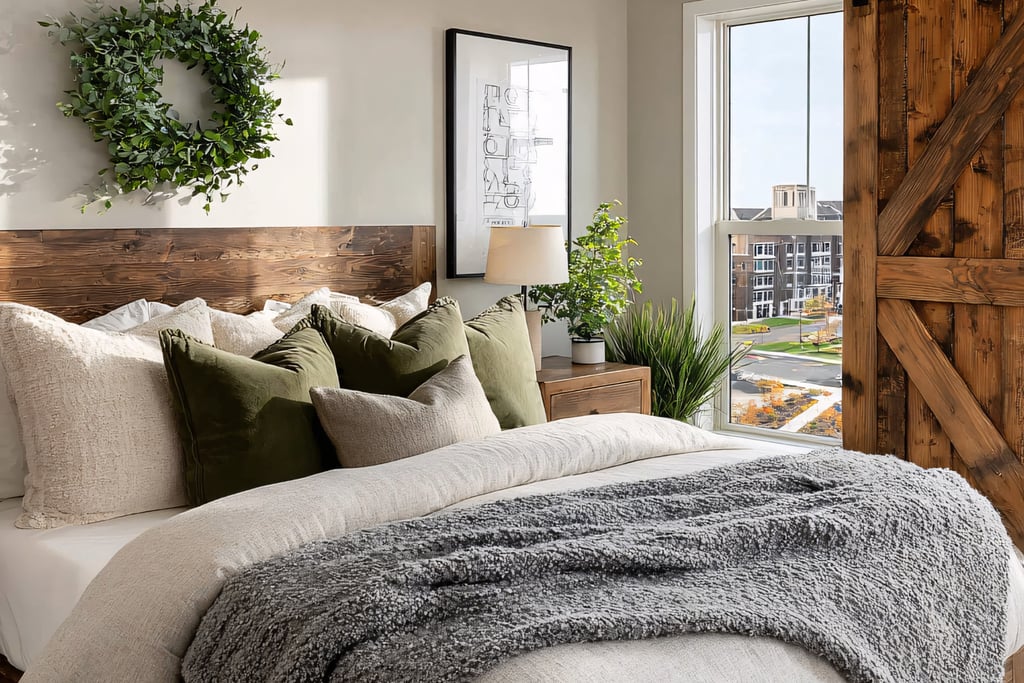
Soft blues and greens for calm
Warm neutrals like beige and taupe for comfort
Muted lavenders for a serene feel
Earthy tones for cozy warmth
These colors set a mellow mood and help your mind settle down. If cool tones feel too cold, warm neutrals are a safe bet.
If you rent, you can still use calming colors with bedding, rugs, or wall art. Even small accents can nudge the vibe in the right direction.
Scents and Plants That Promote Relaxation
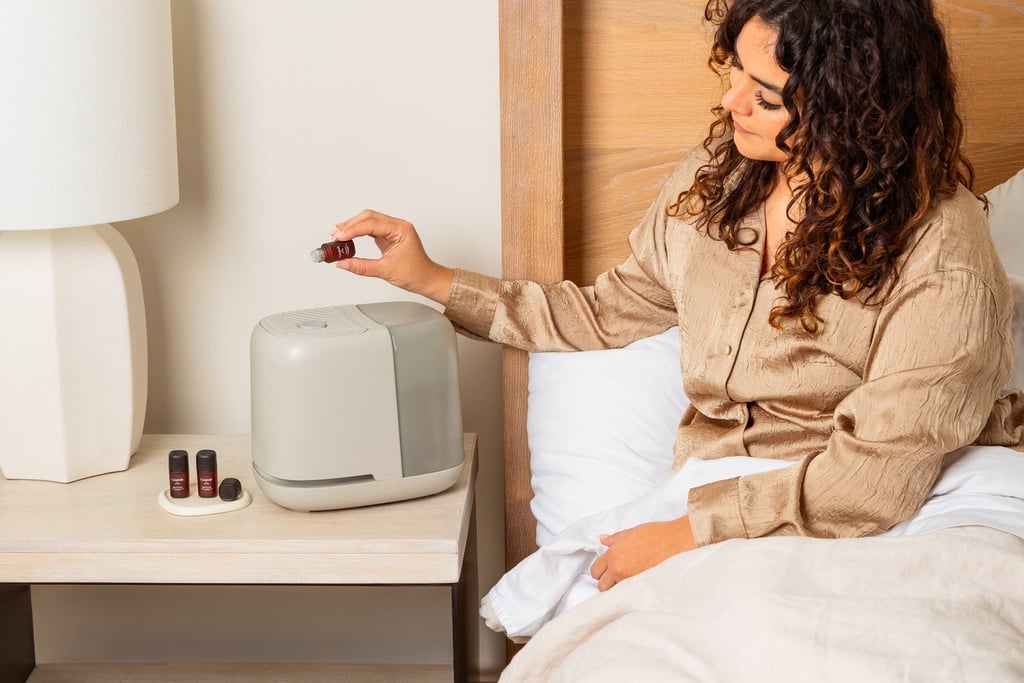
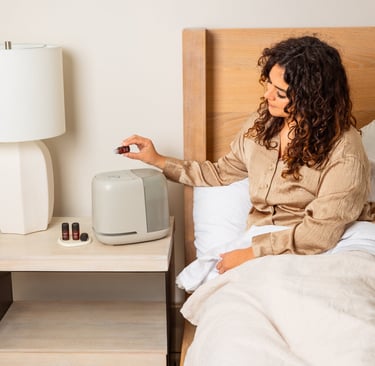
Aromatherapy taps into the mind-body connection. Lavender essential oil is famous for supporting sleep quality.
Chamomile works too. A diffuser lets these scents fill the room slowly without being overpowering.
Houseplants like snake plants or peace lilies clean the air and look good while they’re at it. They’re low-maintenance and actually release oxygen at night.
Plants just make the room feel more peaceful. Set them on a nightstand or dresser so no need to go overboard.
Airflow, Temperature, and Noise Control
The way your bedroom feels—temperature, airflow, noise—can make or break your sleep. Getting these details right helps you reach deeper, more restful sleep.
Optimal Temperature for Restorative Sleep
Most people sleep best when the room’s between 60-67°F. If it’s too hot, your body struggles to cool down, which makes falling asleep tougher.
If you tend to overheat, try a cooling mattress and stick to breathable bedding like cotton or linen. They do a better job than synthetics at keeping you comfy.
Switch up your bedding for the seasons—lighter stuff for summer, warmer for winter, but don’t overdo it. Fans and AC units can help if your climate’s all over the place.
Improving Bedroom Airflow and Air Quality
Good airflow keeps the room from getting stuffy. A fan can help circulate air, just don’t point it right at your face all night.
Bed frames with legs or slats let air move under the mattress, so heat doesn’t get trapped. If you can, avoid cramming stuff under the bed because it blocks airflow.
An air purifier helps if you’re sensitive to dust or allergens. Balanced humidity and daily fresh air make a difference, too.
Reducing Noise for a Quiet Retreat
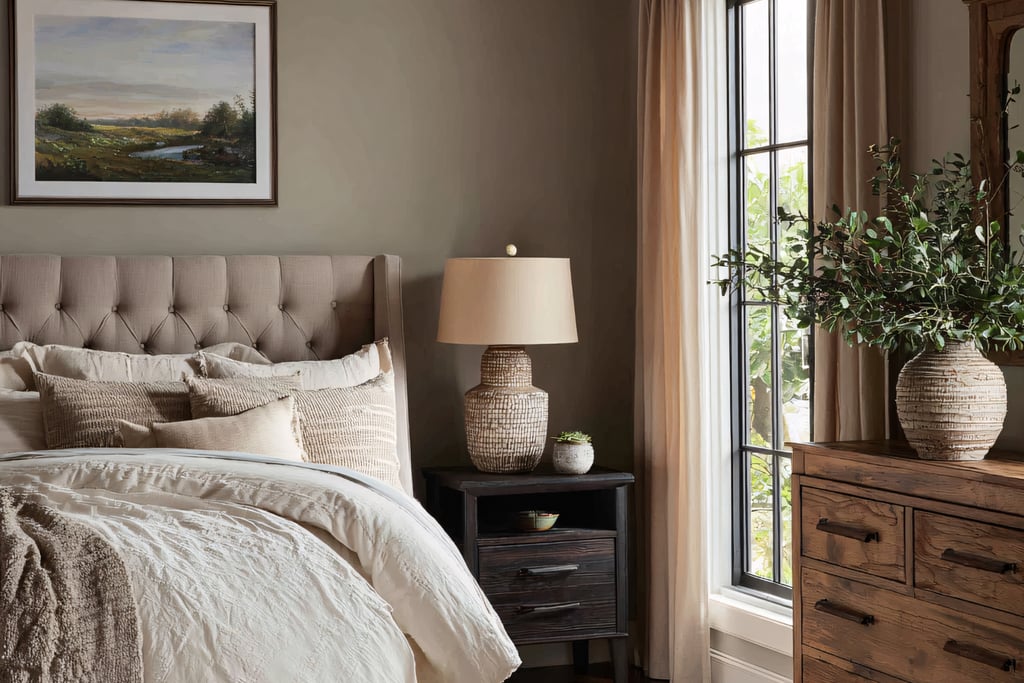
Unwanted sounds from traffic, neighbors, or even the hum of household activity can really mess with your sleep. It’s tough to get truly restorative rest when noise keeps breaking the silence. Heavy drapes, area rugs, and acoustic panels soak up sound and make the environment noticeably quieter.
Swap out that hollow bedroom door for a solid core one—it actually blocks a surprising amount of noise from the rest of the house. If you add weatherstripping around windows and doors, you’ll seal off those sneaky gaps where sound likes to slip in.
White noise machines come in handy for masking disruptive sounds. They fill your space with a steady background hum, so your brain can ignore random noises like barking dogs or a car rumbling by.
Thick carpeting or a dense area rug helps muffle noise both from outside and inside the room. If you layer window treatments such as, shades with heavy curtains, you get even more sound insulation, plus better control over light and temperature. Not a bad combo, honestly.
Conclusion
Even small tweaks to your bedroom layout can seriously impact how well you sleep. Try moving furniture away from doors or put the bed against a solid wall and see if it feels a bit more restful.
Creating clear pathways matters, too. It’s surprising how much these little shifts can change the whole vibe of the room.
The key elements of bedroom design all work together to support better sleep. I’ve found that temperature, lighting, and keeping noise down really complement smart furniture placement.
If you focus on layout and the overall environment, you end up with a space that just feels more relaxing. That’s the goal, right?
No need to jump into a full renovation. Most of us can start with just a couple of changes and build from there. Even small things like:
Turning the bed so it faces the door (but not straight on)
Taking electronics out of the sleep area
Setting up zones for different activities
Cutting down on clutter near the bed
Honestly, these tweaks often make a difference within a few weeks. Suddenly, the bedroom feels more like a sanctuary than just another space.
Bedroom layouts that reduce stress help your mind shift from “go mode” to rest. When everything’s in its place and the room just flows, your brain has fewer reasons to stay alert at bedtime.
If you’re struggling with sleep, it’s worth taking a hard look at your bedroom setup before reaching for meds or fancy gadgets. Maybe the right arrangement and a little attention to design are the missing pieces in your sleep puzzle.