
Cozy Minimalist Decor Ideas for a Calm, Clean Home—Easy Ways to Get Started
HOME DECOR
12/2/20256 min read
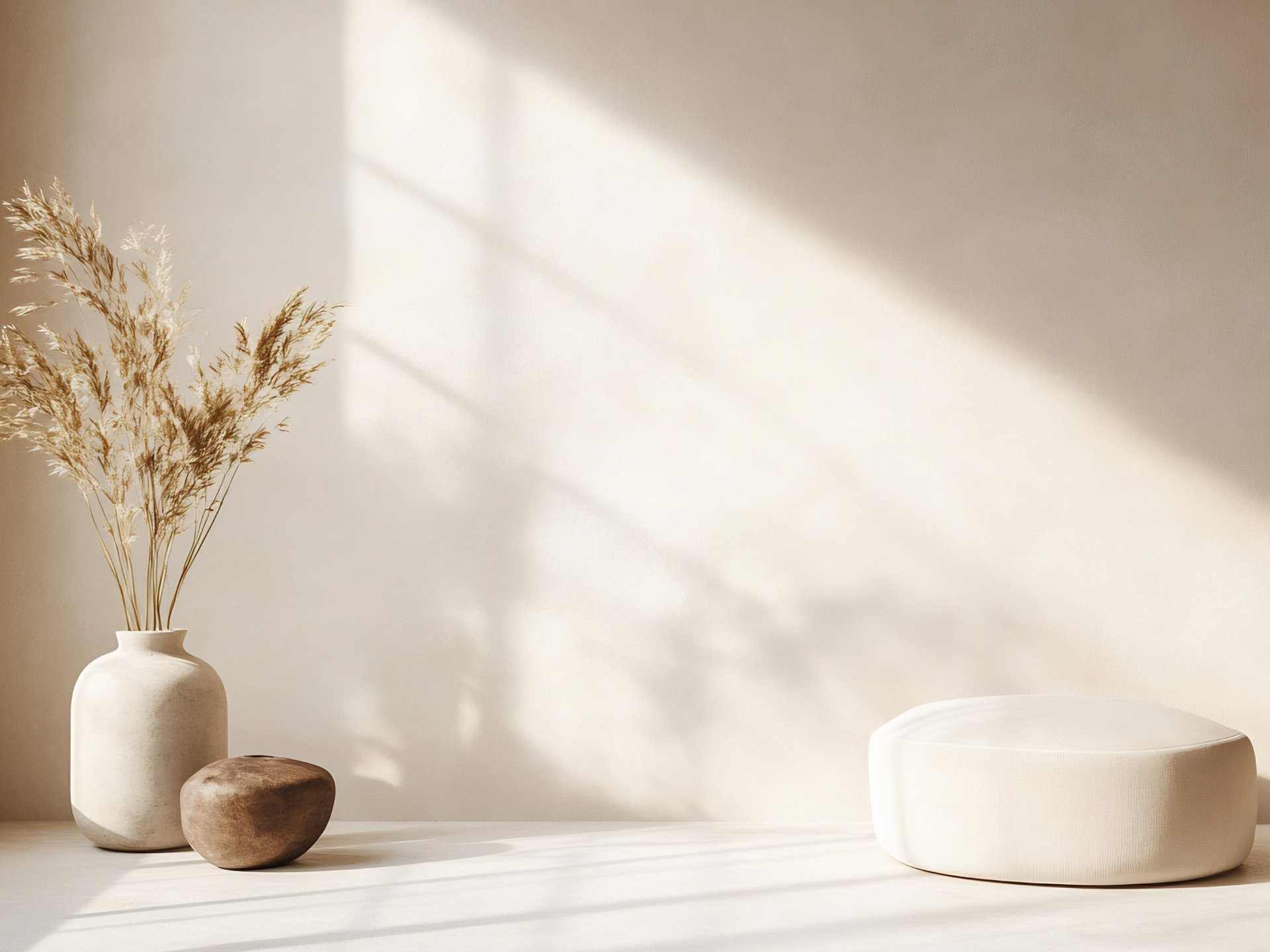
Minimalism doesn't mean sacrificing warmth or comfort in your home. Cozy minimalist decor combines the clarity of clutter free spaces with soft textures, natural materials, and intentional touches that make a room feel both calm and inviting. I've found that when you focus on quality over quantity and embrace simplicity with purpose, your space can feel open and peaceful without being cold or sterile.
The beauty of this approach is that it works in any room and adapts to your personal style. I'm going to walk you through the core principles that make minimalist spaces feel genuinely cozy, then share practical ideas you can use in your own home right away.
Whether you're looking to refresh one corner or transform your entire living space, these strategies will help you create an environment that feels organized, breathable, and genuinely welcoming. You don't need to strip everything away—you just need to be more thoughtful about what stays
The Essentials of Cozy Minimalist Decor
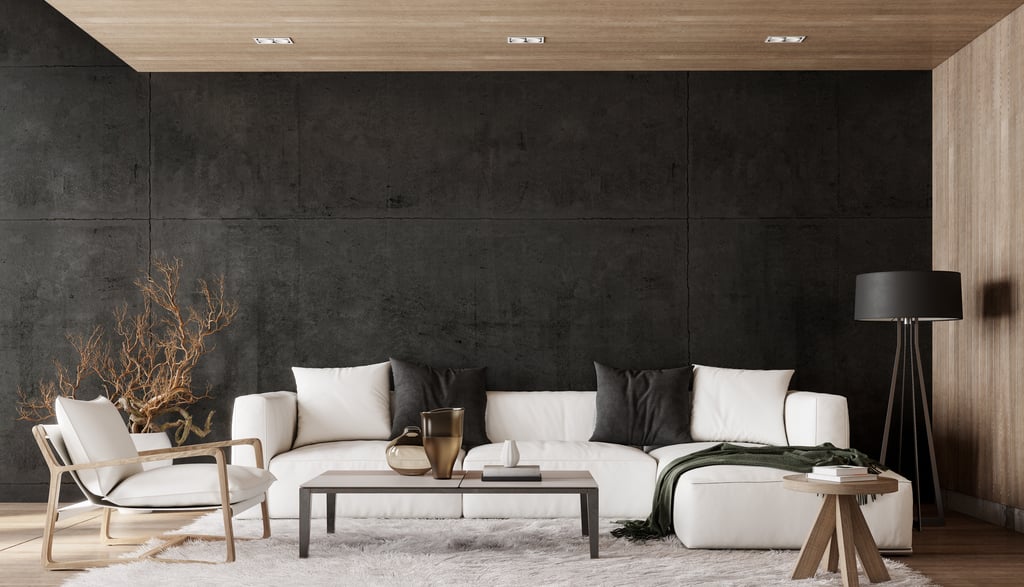
Cozy minimalism balances simplicity with warmth through intentional color choices, natural materials, and thoughtful use of light. The goal is creating spaces that feel both breathable and inviting without excess.
Key Principles: Calm, Clean, and Clutter-Free
I've found that cozy minimalism starts with keeping only what serves a purpose or brings genuine joy. A clutter-free space doesn't mean empty—it means intentional.
Clean lines define the minimalist aesthetic, but I add warmth by choosing furniture with softer edges or organic shapes. Every item should have its place, which means incorporating smart storage solutions that hide everyday items.
Negative space is just as important as what you include. I leave breathing room around furniture and on surfaces so the eye can rest. This openness is what creates that signature calm feeling.
The trick is curating rather than accumulating. I regularly evaluate my space and remove things that no longer serve me. When everything has purpose, the room naturally feels more peaceful and easier to maintain.
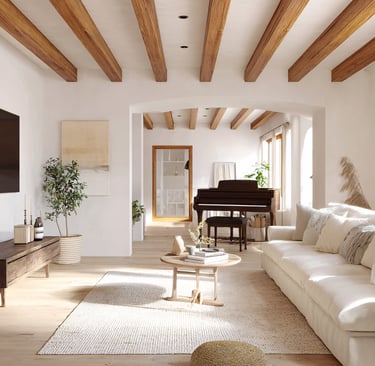
Choosing a Neutral and Earthy Color Palette
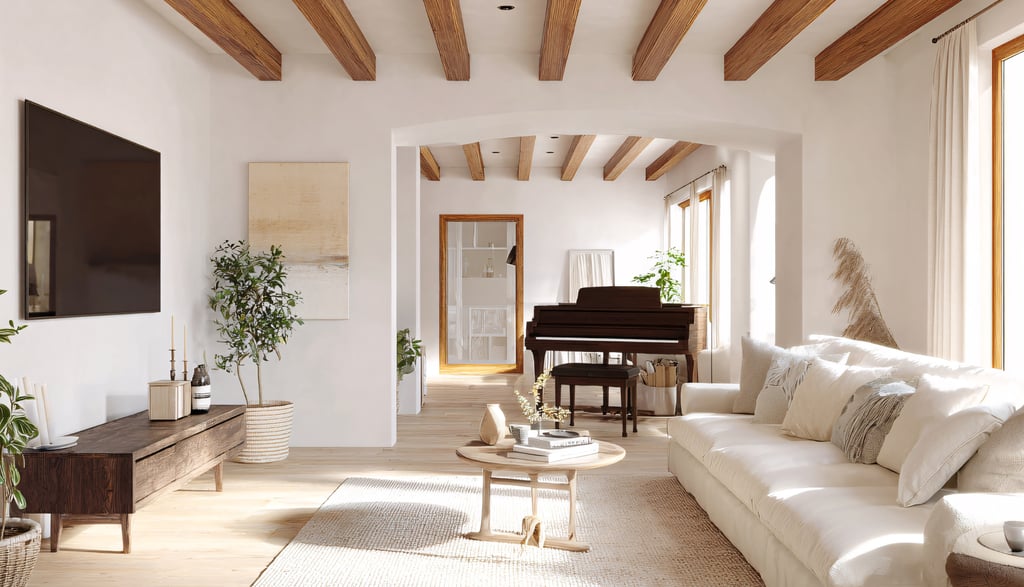
I build my palette around neutral tones like white, cream, beige, and soft gray. These colors create a calm foundation that works in any room.
Warm neutrals prevent spaces from feeling sterile. I incorporate shades like oatmeal, sand, and taupe to add coziness. Earthy tones—think terracotta, soft brown, and muted olive—bring in natural warmth without disrupting the minimalist vibe.
My go-to neutral color combinations:
Cream walls + warm beige furniture + soft gray accents
White base + terracotta accessories + natural wood tones
Greige (gray-beige) throughout + black accents for contrast
I keep walls and large furniture pieces in lighter neutrals, then layer in earthier tones through smaller items like pillows, throws, or pottery. This approach lets me adjust the warmth level without major changes.
Layering Natural Materials and Textures
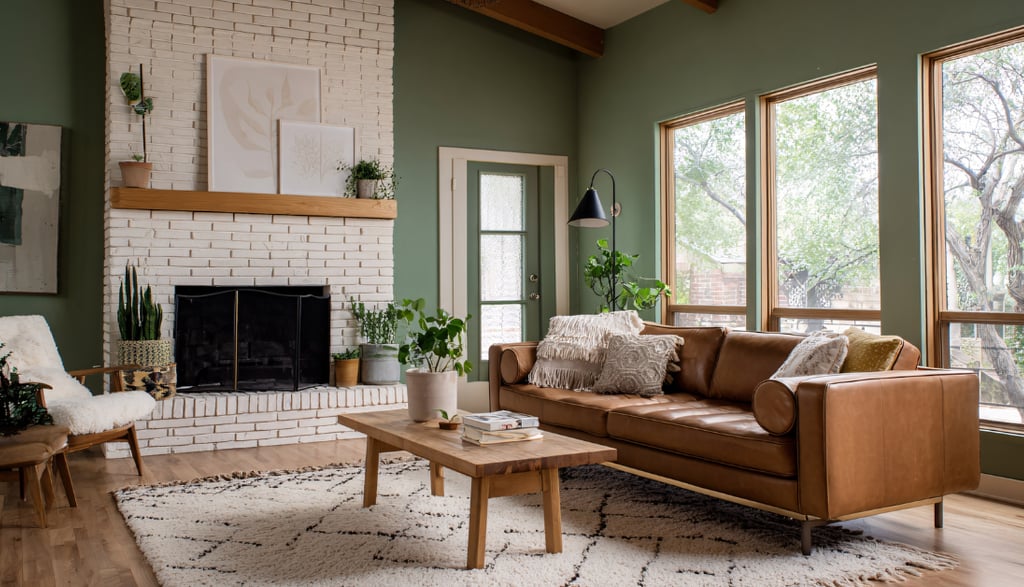
Natural materials are essential for preventing minimalist spaces from feeling cold. I mix wood, linen, cotton, wool, and stone to add depth.
Different textures create visual interest without adding clutter. I might pair a smooth leather chair with a chunky knit throw and a woven basket. Natural textures like jute rugs or bamboo accents instantly warm up a space.
Wood in various finishes adds organic warmth. I incorporate it through furniture, shelving, or decorative objects. Rugs are one of my favorite texture layers—I choose natural fiber options like wool, jute, or cotton in neutral patterns.
I also love linen for its relaxed, lived-in quality. Linen curtains or bedding add softness while maintaining that clean, minimal look. The key is mixing smooth and rough textures so the space feels dimensional.
Bringing in Natural Light for Warmth
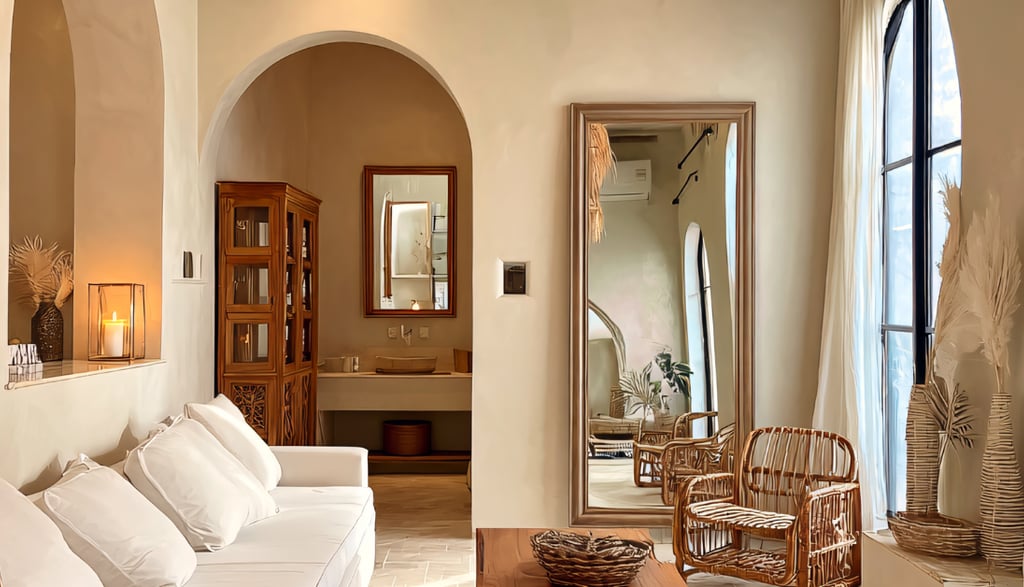
Natural light transforms minimalist spaces from stark to serene. I maximize it by keeping window treatments simple and functional.
Sheer curtains filter light beautifully while maintaining privacy. I choose white or neutral sheers that diffuse sunlight without blocking it completely. Linen curtains offer another option—they're slightly heavier but still let light through while adding texture.
I avoid heavy drapes or dark colors that absorb light. Instead, I keep windows as unobstructed as possible. When privacy isn't a concern, I leave windows bare to let maximum light flood in.
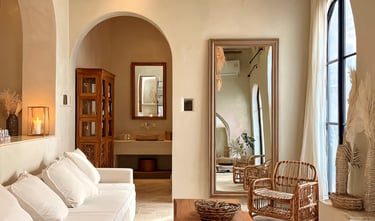
Mirrors strategically placed across from windows amplify natural light and make rooms feel larger. I also keep walls in light, reflective colors that bounce light around the space. During darker hours, I layer in warm artificial lighting through table lamps and floor lamps with soft white bulbs to maintain that cozy atmosphere.
Practical Cozy Minimalist Decor Ideas for Every Room
Creating a cozy minimalist home means focusing on smart storage that keeps surfaces clear, choosing furniture that balances comfort with clean lines, and adding warmth through natural elements like plants and soft lighting. Quality pieces and thoughtful touches make spaces feel both calm and inviting.
Smart Decluttering and Hidden Storage Solutions
I've found that decluttering is the foundation of any minimalist home decor approach. Start by removing items that don't serve a purpose or bring you joy.
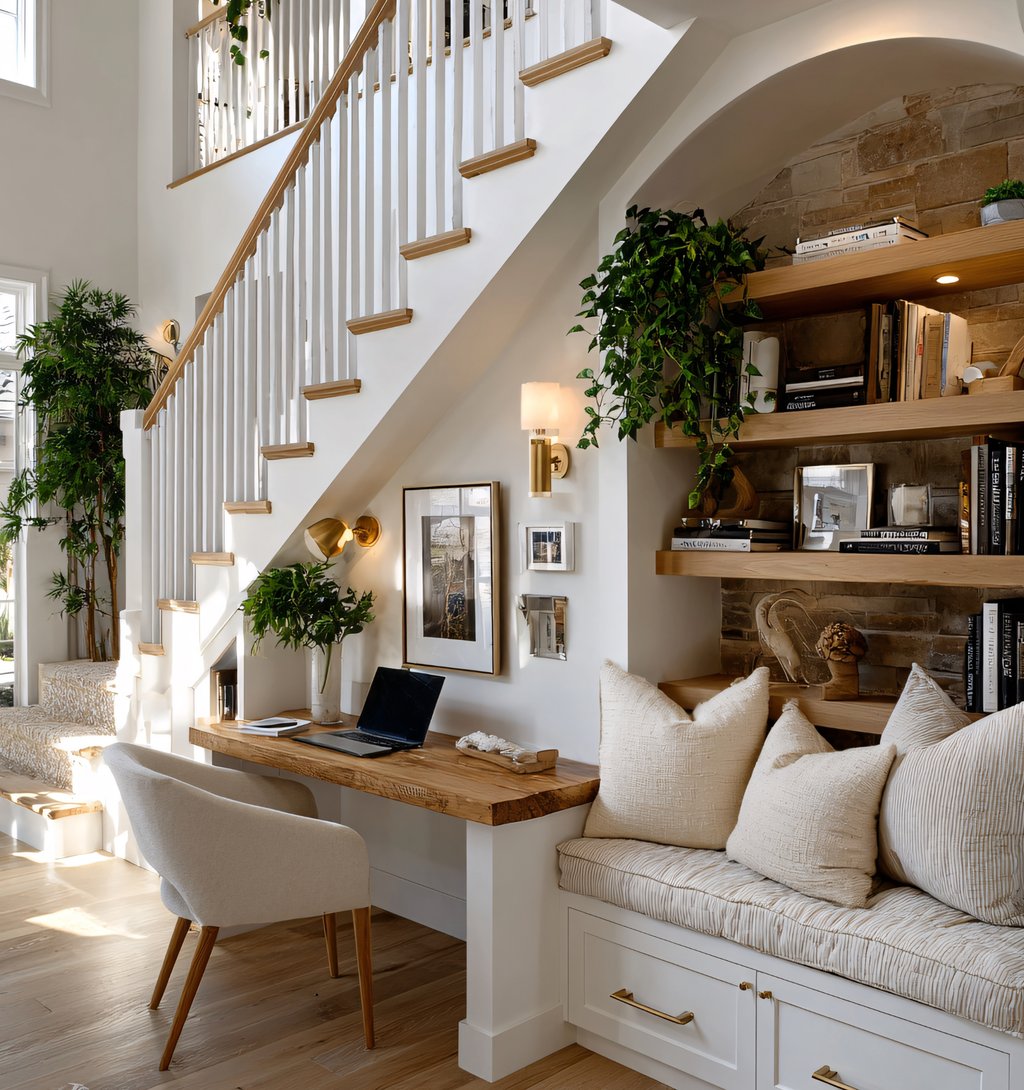
Hidden storage transforms how a room feels. I recommend beds with built-in drawers underneath, ottomans that open for storage, and wall-mounted shelves with closed cabinets. These solutions keep your space looking clean while giving everything a home.
Multi-functional furniture is a game-changer for maintaining a clutter-free space. A console table with drawers serves as both decor and organization. Nesting tables provide surface area when needed but take up minimal space when stored.
For the kitchen, I keep counters clear except for essentials. Store appliances in cabinets and use matching containers for pantry items. Baskets work well for corralling items in closets and under sinks while adding texture.
In the bedroom, consider a clothing rack as functional decor if closet space is limited. This approach follows the quality over quantity principle—keep only what you actually wear and display it intentionally.
Cozy Minimalist Living Room: Furniture and Lighting Picks
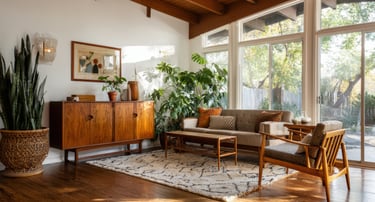
I design my minimalist living room around functional furniture with clean lines. Choose a sofa in neutral tones with simple shapes. Add texture through fabric choices like linen or soft wool rather than ornate patterns.
Lighting layers make the biggest difference in creating warmth. I use a mix of sources:
Table lamps with warm bulbs for ambient lighting
Pendant lights as statement pieces that don't clutter surfaces
LED strips hidden behind furniture for soft background glow
Candles for instant coziness
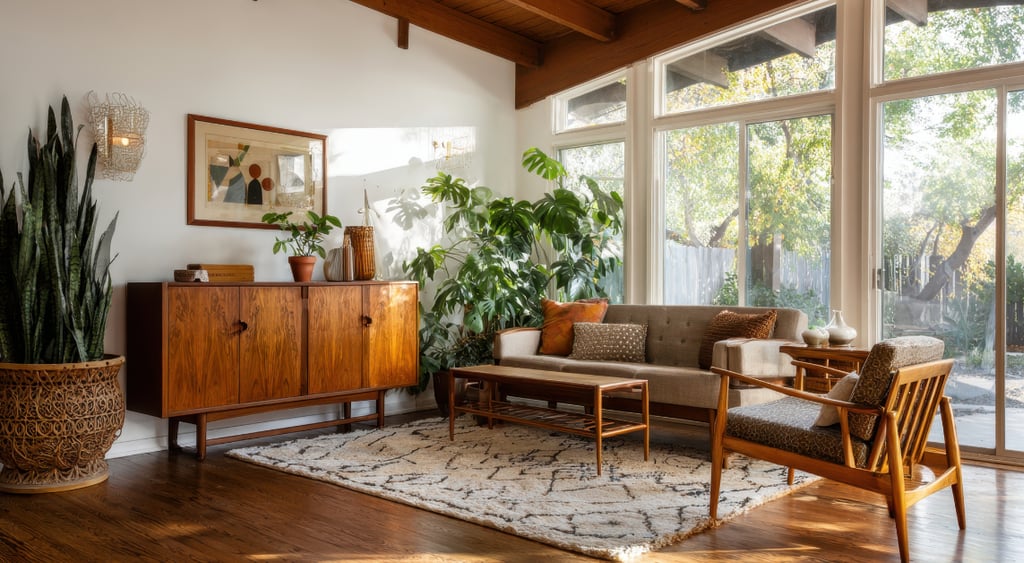
An area rug anchors the space and adds softness underfoot. I stick to natural materials like wool or jute in neutral colors. Wood coffee tables and side tables bring in natural elements without overwhelming the room.
Keep the open floor plan feeling by choosing furniture that fits the scale of your room. Avoid pushing everything against walls—floating furniture creates better flow.
Simple Accents: Greenery, Candles, and Soft Touches
Plants are my go-to for adding life to minimalist decor without creating clutter. I place them in baskets for added texture.
Best low-maintenance options:
Snake plant: Air purifying, tolerates low light
Succulents: Minimal watering, sculptural look
Ferns: Adds softness, thrives in humidity
Greenery brings color and improves air quality while fitting the simple design aesthetic. Group plants in odd numbers for visual interest.
Candles add both soft lighting and warmth. I display them on trays to create intentional groupings. Choose unscented or natural scents to avoid overwhelming the space.
Throw pillows and blankets introduce cozy textures. I swap covers seasonally to refresh the look without adding permanent items. Natural materials like cotton, linen, and wool align with Scandinavian design principles.
Finishing Touches: Personalization and Mindful Decor
I personalize my cozy minimalist home through carefully chosen pieces rather than filling every surface. One meaningful piece of art makes more impact than multiple random items.
The wabi-sabi philosophy embraces imperfection and natural materials. I display handmade ceramics, weathered wood pieces, or stone objects that tell a story. These elements add character while maintaining the minimalist aesthetic.
Mirrors serve dual purposes—they're decorative and make spaces feel larger. I hang one large mirror rather than multiple small ones.
For walls, I might add textured wallpaper to one accent wall or leave them mostly bare with architectural features as the focus. Books can be displayed on shelves as both storage solutions and decor when arranged thoughtfully.
The key to minimalist home decor ideas is intention. Every item should either serve a function or bring genuine joy. I avoid trends that don't fit my lifestyle and focus on creating a space that feels authentically calm and welcoming.