

Home Habits To Start In January For A Cleaner, Calmer Home (That Actually Stick!)
ORGANIZATION
11/19/202510 min read
January always feels like a clean slate. After the rush of the holidays, I like using this time to reset my home and my habits. A calmer, tidier space makes it easier to focus, breathe, and feel good every day. Starting small home habits now sets the tone for an organized, low-stress year ahead.
I’ve learned that keeping a cleaner, more peaceful home isn’t about marathon cleaning sessions—it’s about small, consistent actions. Whether it’s straightening up your bedroom each morning or clearing one cluttered spot at a time, these habits help your home feel lighter and more manageable.
This month, I’m focusing on simple routines that make a noticeable difference. From smarter ways to organize to quick daily cleaning moves, each one creates more space, calm, and comfort in my home.

Kickstart the Year With Simple Bedroom Habits
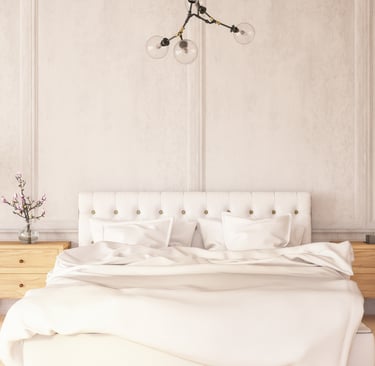
A calm, organized bedroom sets the tone for better mornings and more restful nights. I focus on small actions—like tidying the bed, setting a nightly rhythm, and caring for fresh bedding—that make the space look better and feel more peaceful without much effort.
Make Your Bed Every Morning
I start each day by making my bed before anything else. It takes less than two minutes, but it instantly makes the whole room look cleaner. I smooth out the sheets, fluff the pillows, and pull the blanket tight so the surface feels neat and inviting.
Benefits of this simple habit include:
Reducing visual clutter and stress
Making evening wind‑down more relaxing
Encouraging me to keep up with other tidy habits
On busy days, that one task reminds me that I’ve already accomplished something. It’s a small win that carries momentum into the rest of my routine. Even on weekends, keeping this habit keeps my space from feeling chaotic.
Tip: If I use decorative pillows or throws, I limit them to a number I’ll actually put back each morning. That way, the habit stays automatic instead of becoming a chore.
Establish a Calming Night Routine
Before bed, I follow a routine that signals my body it’s time to rest. I dim the lights, put away any clothes lying around, and silence notifications on my phone. This helps the room stay visually calm and supports better sleep quality.
A simple checklist helps me stay consistent:
Lower lighting or use a small lamp
Tidy surfaces like nightstands
Set out clothes for morning
Do light stretches or read quietly
The routine doesn’t have to be fancy. A few consistent steps keep my space peaceful and my mind clear before sleep. I’ve found that even straightening the comforter and closing drawers before turning in can make mornings smoother.
Refresh Linens and Bedding
Clean bedding improves both comfort and hygiene. I wash sheets every one to two weeks, depending on season and use, using fragrance‑free detergent to avoid buildup. Pillowcases get swapped even more often, especially during warmer months.
Once a month, I air out pillows and blankets by hanging them near a sunny window. This helps remove moisture and refreshes the fibers without extra washing. I also rotate sheets between two or three sets so each wears evenly.
For quick freshness between washes, I lightly mist the mattress with a water‑and‑vinegar mix and let it dry completely before making the bed. It keeps the fabric crisp and helps reduce musty odors. Simple habits like these make the entire bedroom feel newer and more comfortable without extra cost or complicated steps.


Decluttering Strategies for a Fresh Start
I find that the fastest way to create a calmer home is by starting small but staying consistent. I focus on what I use most often, clear out what’s no longer serving me, and reset spaces that tend to collect clutter before they spiral out of control.
Clear Out Holiday Decorations
Once the holidays are over, I take a day to carefully pack away decorations instead of rushing through it. I sort items into three categories: keep, donate, and discard. Broken ornaments or tangled lights go straight to the discard pile, while anything I didn’t display this year often gets donated.
I use clear storage bins labeled by holiday or room. This helps me find decorations faster and keeps storage areas tidy. A simple table like this keeps me organized:
Delicate ornaments; Wrap and label; Store in small boxes inside larger bins
Christmas Lights; Test before storing; Wind around cardboard sheets
Seasonal décor; Review for wear; Donate what no longer fits your space
Finally, I store bins together in one area—like a closet corner or garage shelf—so I can easily pull them out next year without stress.
Tackle Clutter Hotspots
Every home has trouble spots where items pile up. For me, it’s the kitchen counter and entryway table. I start by clearing everything off, then putting back only what truly belongs there.
I assign each type of item a home. Keys go in a small bowl, mail in a wall organizer, and reusable shopping bags in a basket near the door. I keep a daily reset habit—spending five minutes tidying each hotspot before bed—to stop piles from forming again.
If a space collects clutter repeatedly, I rethink its purpose. Sometimes I'm storing the wrong items there, or it needs better storage tools like hooks, trays, or small baskets. Keeping frequently used items accessible but contained makes one of the biggest differences in how tidy my home feels.
Simplify Closets and Wardrobes
Closets can quietly hold more clutter than any other part of my home. I start by removing everything, then I sort clothes into four groups: keep, donate, repair, and seasonal store. Trying on uncertain items helps me see what truly fits and feels right.
To maintain order, I use matching hangers and group clothes by type—shirts, pants, jackets—so I can grab what I need quickly. I also rotate seasonal items twice a year, storing off-season pieces in bins or vacuum bags labeled by category.
I keep a small box in the closet labeled “donate soon.” When I come across something I no longer wear, it goes in immediately. This ongoing system keeps clutter from building up again and makes the space feel open and easy to manage.


Daily Cleaning Habits for an Effortlessly Clean Home
I’ve found that maintaining a clean home isn’t about spending hours scrubbing or deep cleaning every corner. It’s about small, consistent actions that keep messes under control and make every room feel lighter and more comfortable. Simple habits like wiping down surfaces, giving floors quick attention, and resetting spaces at night help everything stay cleaner with less work.
Wipe Down Kitchen and Bathroom Surfaces
I like to keep a microfiber cloth or disinfecting wipes close by in both the kitchen and bathroom. After cooking or brushing my teeth, I take a minute to wipe counters and sinks. It prevents grime and toothpaste from hardening, so I never need to scrub hard later.
Key routine:
Spray cleaner and let it sit for a few seconds.
Wipe in small circles to lift residue instead of spreading it.
Focus on high-touch areas—faucets, handles, and stove knobs.
Doing this daily keeps surfaces free of grease, water stains, and bacteria. The habit also helps me notice small issues, like leaks or spills, before they become bigger problems. Clean counters instantly make both rooms feel neater, even if I haven’t finished every other chore.
Do a Quick Sweep or Vacuum
Dust, crumbs, and pet hair show up fast, especially in high-traffic areas like the kitchen and entryway. I make it a point to sweep or vacuum quickly once a day. It takes less than ten minutes and prevents buildup that would otherwise need a deep clean later.
A simple routine I follow:
Shake out rugs or mats.
Sweep or run a cordless vacuum along traffic paths.
Use a handheld vacuum for corners and under furniture.
Doing a short clean each day keeps floors presentable and helps control allergens. I also find it easier to spot clutter when the floors are clear—plus, walking barefoot on a crumb-free floor just feels better.
Reset Living Spaces Every Evening
Before bed, I do a quick reset of the living room and any shared spaces. I fold blankets, fluff pillows, and return stray items where they belong. It takes five to ten minutes, but it makes a huge difference in how calm the house feels in the morning.
I usually set a short timer to make it quick and focused. Some nights I’ll pair it with music to make it easier to stay consistent. Keeping a basket for miscellaneous items helps streamline the process—anything that doesn’t belong gets tossed in and sorted later.
By doing this, I wake up to a tidy, peaceful space instead of chaos. It’s one of those small things that makes mornings smoother and evenings more relaxing.
Smart Organization for Year-Round Calm
I’ve learned that staying calm at home has a lot to do with how things are stored and where they go. A few simple systems—like using the right containers and giving everyday items a home—can keep clutter from building up and make daily routines feel smoother.
Use Storage Bins and Baskets
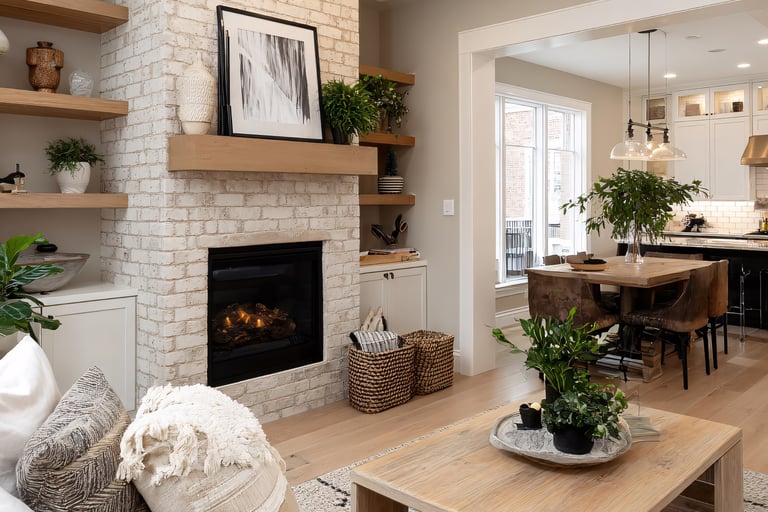
I use these storage bins and baskets for nearly every room in my house. They keep small items contained and make it easy to grab what I need without digging through piles. A clear plastic bin works well in the pantry because I can see what’s inside, while woven baskets fit better in living spaces where I want a cozier look.
I label each container using simple tags or masking tape and a marker. This helps everyone know where things belong, so cleanup takes seconds instead of minutes. I also like to sort items by category instead of room. For example:
Cleaning supplies; Laundry room shelf; Clear bin with handle
Extra cords; Office drawer; Small lidded box
Seasonal décor; Closet or attic; Stackable tote
By mixing open and closed storage, I balance easy access with a tidy appearance. When bins start to overflow, I take it as a sign to declutter rather than find more containers.
Create Drop Zones for Entryway Items
The entryway sets the tone for the home, so I keep it as functional as possible. I have a drop zone right by the door with hooks for bags, a tray for keys, and a basket for shoes. Having these small stations prevents random piles from forming on counters and tables.
I also use a small bench with storage underneath. It gives me a spot to sit while putting on shoes and keeps everything off the floor. A narrow shelf above the hooks holds mail and small accessories so they don’t get lost.
To keep it manageable, I stick to a simple rule: everything that comes in the door has a place to land. Once a week I take a few minutes to sort out stray mail, empty the shoe basket, and wipe down the surfaces. It takes little effort but makes a big difference in how relaxed the space feels.


Kitchen Deep-Clean and Pantry Refresh
I focus on getting rid of what’s expired, sticky, or disorganized in my kitchen first. A deep-clean and pantry refresh not only clears space but also helps me track what I actually use throughout the year.
Clean Out the Fridge and Freezer
I start by taking everything out so I can see what’s hiding in the back. I check expiration dates and throw out leftovers or condiments that have seen better days. Once empty, I wipe every shelf and drawer with a mix of warm water and baking soda to remove odors without harsh chemicals.
After the surfaces are clean, I dry them with a towel before restocking. I group items by type—dairy, proteins, snacks, condiments, and produce—so it’s easier to find things. I use clear bins to corral opened packages and label them with the date.
If the freezer needs defrosting, I unplug it, set a pan under to catch water, and let the ice melt naturally. I toss anything with freezer burn or mystery frost. Then I reorganize using a simple rule: newer items go behind older ones to reduce waste and keep track of what’s left.
Declutter and Organize the Pantry
I pull every item out of the pantry so I can quickly see duplicates and expired goods. Keeping a waste bag, donation box, and keep pile helps me move faster and stay organized. Once I’ve pared down, I wipe off shelves and check for spills or crumbs.
For everyday use, I favor clear, airtight containers for dry staples like flour, sugar, and rice. This keeps pests out and makes stock levels obvious. I label each one with the product name and expiration date using a washable marker or sticker.
To make daily cooking easier, I arrange shelves by frequency of use. Snacks and breakfast items stay at eye level, baking supplies a bit higher, and bulk goods lower down. A quick monthly check keeps everything manageable so I’m not starting from scratch each time.
Seasonal Home Maintenance for Peace of Mind
I take time in January to make sure my home is safe, comfortable, and ready for the rest of winter. Checking safety devices, improving air quality, and winterizing problem areas saves me stress later and helps everything run smoothly through the cold months.
Check Smoke and Carbon Monoxide Detectors
I test every smoke and carbon monoxide detector in my house at the start of the year. It only takes a minute to press the test button, but it could make all the difference in an emergency. If a unit doesn’t respond or chirps irregularly, I replace the batteries right away.
I also note the age of each device. Smoke detectors usually last about 10 years, while carbon monoxide detectors last around 5–7 years. I write the replacement date on the unit with a marker so I don’t forget.
Keeping a few extra batteries on hand makes maintenance simple. If I have combination detectors, I review the manual to confirm their coverage and placement—one on every floor, near bedrooms, and outside sleeping areas.
Maintain Indoor Air Quality
After the holidays, I notice the air in my home can feel a little stale from the heater running nonstop. I swap out HVAC filters every one to three months depending on use, and I use a HEPA filter when possible to catch small particles.
I open the windows for a few minutes on milder days to let fresh air circulate. It’s refreshing and prevents humidity from building up. I also clean vents and vacuum registers, which often collect dust and pet dander.
To improve moisture balance, I run a humidifier in dry rooms and a dehumidifier where condensation builds up. Keeping indoor humidity around 30–50% reduces static, stuffy air, and even helps wooden furniture last longer.
Prep for Winter Weather
I step outside and check areas most affected by cold and moisture. I look for missing or damaged shingles, make sure gutters are free of debris, and inspect downspouts to be sure water flows away from the foundation.
Inside, I check pipes near exterior walls. Wrapping them with foam insulation helps prevent freezing. I also check weatherstripping around doors and windows—replacing cracked material keeps warm air in and cold air out.
Finally, I keep a small winter kit ready: extra salt for sidewalks, a flashlight, batteries, and a few blankets in case of a power outage. These small steps give me confidence my home can handle whatever January brings.