
How to Make Your Home Look Expensive on a Budget: Affordable Tips & Stylish Ideas
HOME DECOR
12/3/202513 min read

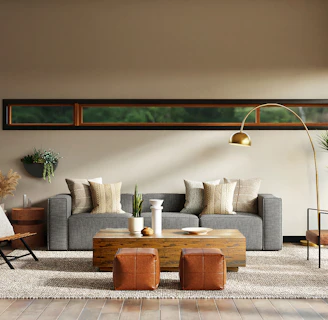
Creating a luxurious home doesn't require a luxury budget. You can transform your space into a high-end retreat using strategic updates, smart styling choices, and affordable design tricks that deliver impressive results without draining your wallet. The difference between a basic room and an upscale sanctuary often comes down to intentional details rather than expensive renovations.
Your home can radiate sophistication through coordinated finishes, layered lighting, and carefully chosen textures that elevate everyday spaces. Simple changes like decluttering surfaces, updating hardware, and adding statement pieces create the polished look of designer interiors.
This guide walks you through practical ways to enhance your home's appeal, from creating an inviting entryway to selecting accessories that add refinement. You'll discover how to work with what you have while making targeted improvements that maximize visual impact and bring that coveted expensive look within reach.
Declutter and Organize for a Luxe Feel
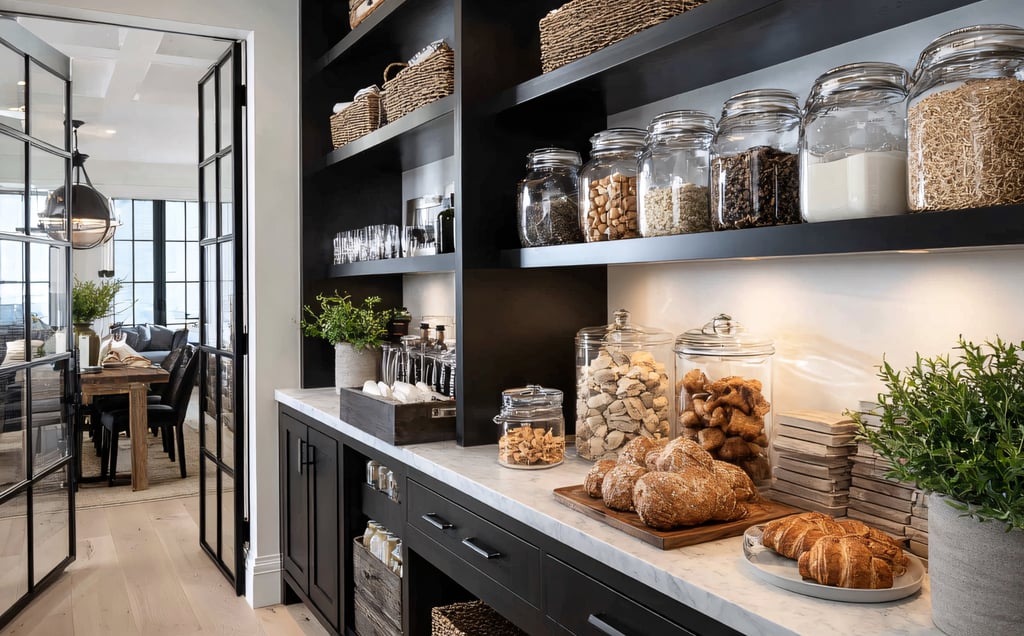
A clutter-free space instantly reads as more expensive because it allows your eye to focus on intentional design choices rather than visual noise. When you remove excess items and organize what remains, even budget-friendly pieces look more curated and high-end.
Streamline and Simplify
Clear surfaces are the fastest way to make your home look expensive. Start by removing items from countertops, tables, and shelves until only essential or beautiful pieces remain.
Apply the "one in, one out" rule to prevent future accumulation. When you bring something new into your home, remove something old. This maintains a balanced, uncluttered environment that feels purposeful rather than packed.
Focus on visible areas first—entryways, living rooms, and kitchen counters make the biggest impact. These high-traffic zones set the tone for your entire home. A clear coffee table with just one or two carefully chosen objects looks far more luxurious than one covered in random items.
Don't forget vertical spaces. Walls cluttered with too many photos or decorations can cheapen a room's appearance. Leave breathing room between wall hangings and choose fewer, larger pieces over many small ones for a more sophisticated look.
Smart Storage Solutions
Hidden storage transforms cluttered spaces into serene ones. Invest in furniture that doubles as storage—ottomans with interior compartments, beds with drawers underneath, or benches with lift-top seats.
Use matching baskets, boxes, or bins to corral necessary items on open shelving. When storage containers coordinate in color or material, they create visual harmony rather than chaos. Neutral tones like white, beige, or natural wicker work with most home decorating styles.
Maximize closet space with organizers, shelf dividers, and hanging systems. When closets function efficiently, you won't need items spilling into living areas. A well-organized closet also makes getting dressed easier and helps you see what you actually own.
Intentional Styling
Display items in odd-numbered groupings of three or five for visual interest. This styling technique, used by professional designers, makes arrangements look deliberate rather than haphazard.
Choose quality over quantity when selecting decorative objects. Three beautiful items on a shelf create more impact than ten mediocre ones. Each piece should earn its place by being functional, meaningful, or visually striking.
Create designated homes for everyday items like remotes, keys, and mail. Decorative trays or bowls serve this purpose while maintaining a polished appearance. When everything has a specific spot, maintaining order becomes automatic rather than overwhelming.
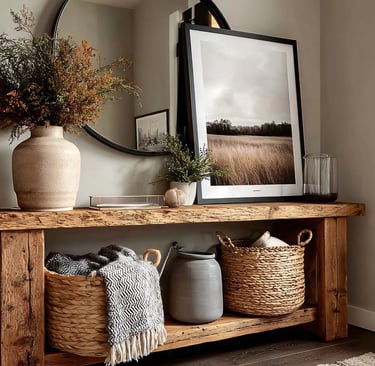
Create an Impressive First Impression
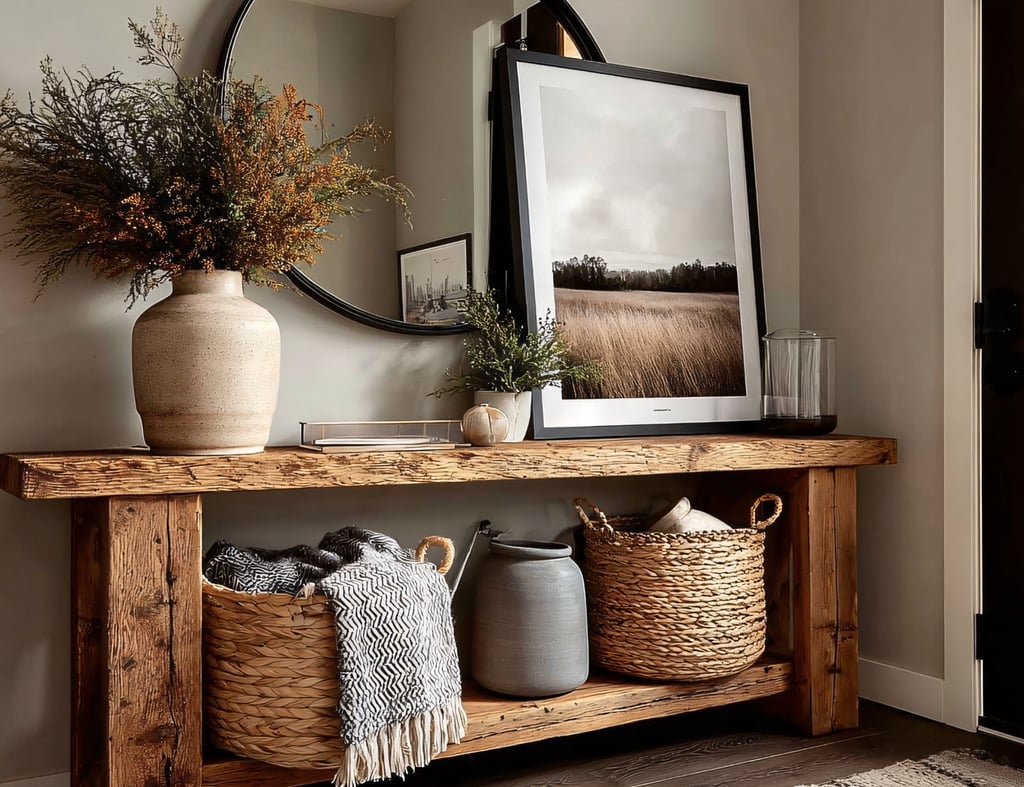
Your entryway sets the tone for your entire home, and visitors form opinions within seconds of stepping through your door. Focusing on three key elements—a well-styled entryway, quality hardware, and strategic lighting—transforms this often-overlooked space into a polished introduction to your home.
Elevate Your Entryway
Your entryway deserves thoughtful attention since it's the first space guests encounter. Start by decluttering and creating a designated spot for everyday items like keys and mail. A console table or small bench provides both function and visual appeal.
Add a mirror to make the space feel larger and brighter while giving you a last-minute check before heading out. Choose one with an interesting frame that complements your style. Place a decorative tray on your console to corral small items and maintain organization.
Consider these affordable entryway additions:
A washable runner or area rug in a durable pattern
A statement plant in a quality pot
Artwork or a gallery wall that reflects your personality
Decorative hooks or a coat rack with visual interest
Fresh flowers or greenery in a nice vase instantly elevate the space and make your home feel cared for. Even faux plants work if you select realistic options.
Upgrade Door Hardware
Replacing dated door hardware creates an immediate impact for minimal cost. Start with your front door by installing a new handle set, lockset, and house numbers in a finish that complements your home's exterior.
Inside, swap out old doorknobs, hinges, and cabinet pulls throughout your entryway. Choose finishes like brushed brass, matte black, or polished nickel for a contemporary look. Consistency matters—stick to the same finish throughout connected spaces.
This simple home decorating upgrade typically costs between $20-$100 per door depending on quality. The transformation makes your home feel intentionally designed rather than builder-basic.
Lighting in the Foyer
Statement lighting in your foyer creates instant luxury and draws the eye upward. Replace builder-grade fixtures with a chandelier, pendant light, or modern flush-mount that fits your ceiling height and space proportions.
Scale matters significantly here. Your fixture should be substantial enough to make an impact without overwhelming the space. A general rule: add your room's length and width in feet, then convert that number to inches for your fixture's diameter.
Layer your lighting by adding a table lamp on your console or wall sconces flanking a mirror. Dimmer switches give you control over ambiance and make even affordable fixtures feel more expensive. Choose warm bulbs (2700-3000K) to create an inviting glow that makes everyone look and feel welcome.


Transform Walls with Affordable Upgrades
Walls offer significant opportunities to elevate your home's appearance without major expenses. Strategic paint choices, architectural additions, and curated displays can create sophisticated focal points that rival expensive renovations.
Accent Walls and Statement Designs
An accent wall instantly transforms a room by drawing attention to a specific area. Paint one wall in a bold color while keeping the others neutral to create depth and visual interest without overwhelming your space. Dark hues like navy or forest green add richness to living rooms and bedrooms, while lighter shades work well in smaller spaces.
Peel-and-stick wallpaper provides another cost-effective option for creating stunning accent walls. You can apply these removable papers to powder rooms, entryways, or behind beds to introduce patterns and textures. The application process is straightforward, and removal doesn't damage your walls, making it ideal for renters or anyone who likes to change their decor frequently.
Consider painting just your lower walls in a contrasting color to mimic wainscoting without the installation costs. This technique works particularly well in dining rooms and hallways, giving traditional charm at a fraction of the price.
Add Molding and Architectural Details
Installing molding creates the impression of custom architectural features that suggest quality craftsmanship. Picture-framing involves attaching narrow molding strips to walls in rectangular patterns, adding dimension to otherwise plain surfaces. This technique requires careful measurement to ensure even spacing and symmetry for a professional appearance.
Crown molding where walls meet ceilings introduces an elegant finishing touch that's commonly found in upscale homes. While traditional installation requires woodworking skills, lightweight polyurethane options are easier to cut and install yourself. Paint your molding in a crisp white or a contrasting shade to emphasize the architectural detail.
Chair rail molding installed at waist height protects walls while creating visual separation. You can paint the upper and lower sections different colors to maximize the impact of this affordable upgrade.
Use Gallery Walls for Visual Interest
A well-planned gallery wall turns blank spaces into personalized focal points that look intentional and curated. Mix frame sizes and orientations while maintaining a cohesive color scheme in the frames themselves—black, white, or natural wood tones work reliably together. Lay out your arrangement on the floor first to perfect the composition before hammering any nails.
Your gallery wall doesn't need expensive artwork to look polished. Print personal photos, frame pages from vintage books, or mat fabric swatches for budget-friendly options. Thrift stores often carry quality frames at low prices that you can spray paint to match your desired finish.
Maintain consistent spacing between frames, typically 2-3 inches, to achieve a professional appearance. Start with your largest piece as an anchor point and build around it, keeping the overall shape balanced.

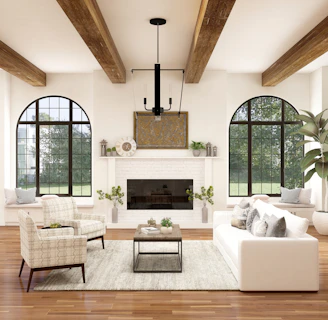
Illuminate with Statement Lighting
The right lighting fixtures can instantly elevate your space from basic to boutique. Strategic placement of eye-catching pieces and thoughtful layering creates an expensive look without the designer price tag.
Chandeliers on a Budget
Chandeliers aren't just for grand estates anymore. You can find affordable options that deliver high-end impact at a fraction of traditional costs. Look for modern designs in materials like matte black metal, brass finishes, or glass that mimic pricier designer pieces.
Consider the size of your room when selecting a chandelier. Add your room's length and width in feet, then convert that number to inches for the ideal fixture diameter. A 12-foot by 14-foot dining room works well with a 26-inch wide chandelier.
Hang your chandelier 30 to 36 inches above your dining table for proper proportion. In rooms without a table, ensure at least 7 feet of clearance from the floor. Vintage and second-hand shops often carry unique chandeliers at bargain prices that just need simple updates like new spray paint or replacement crystals.
Maximize Natural and Layered Light
Layered lighting creates depth and sophistication that single overhead fixtures can't achieve. Combine your statement pieces with table lamps, floor lamps, and wall sconces at different heights throughout the room.
Install dimmer switches on your main fixtures to adjust ambiance and make spaces feel more intentional. This simple upgrade costs less than £50 per switch but dramatically changes how expensive your lighting appears. Natural light remains your best free resource—keep windows clean and use sheer curtains to diffuse harsh sunlight while maintaining brightness.
Position mirrors opposite windows to bounce natural light deeper into rooms. Add a sculptural floor lamp in darker corners to eliminate shadows and make spaces feel larger and more upscale.
Incorporate Focal Point Fixtures
A single bold fixture draws the eye and becomes an architectural feature in your space. Oversized pendants work particularly well in entryways, above kitchen islands, or in bedrooms as alternatives to traditional ceiling lights.
Choose fixtures with interesting shapes, unique materials like rattan or smoked glass, or unexpected finishes. These details create visual interest without requiring multiple expensive pieces throughout your home. Your focal point fixture should complement your existing decor rather than clash with it—brass works with warm colour schemes, while matte black suits industrial or modern minimalist spaces.
Keep surrounding lighting simple when you invest in one statement piece. This contrast makes your focal point fixture stand out even more while keeping your overall budget manageable.


Mix Textures and Luxe Textiles
Combining different textures and quality fabrics creates depth and visual interest that makes spaces feel intentionally designed and expensive. The right mix of materials adds warmth and sophistication without requiring a complete overhaul of your existing decor.
Layer Rugs and Fabrics
Layering an area rug over a larger, more affordable base rug instantly adds dimension to your room. You can place a smaller Persian-style or textured rug on top of a plain jute or sisal rug to create a designer look for less.
This technique works particularly well in living rooms and bedrooms where you want to define specific zones. The contrast between the two rug textures creates visual depth that draws the eye and makes the space feel curated. Start with a neutral base layer that covers more floor space, then add a patterned or plush rug on top.
The same layering principle applies to textiles throughout your home. Drape a chunky knit throw over a smooth leather sofa or layer different fabric pillows on your bed. Mix cotton, wool, and faux fur to build richness without spending on premium pieces across the board.
Add Linen and Velvet
Linen and velvet are two fabrics that immediately elevate any space because of their distinctive textures and how they interact with light. Linen brings a relaxed yet refined quality with its natural wrinkles and breathable weave. Use linen curtains to soften windows or linen pillow covers to add understated elegance to your seating areas.
Velvet adds instant luxury through its rich appearance and soft touch. A velvet accent chair or velvet throw pillows catch light differently throughout the day, creating visual interest. You don't need to invest in a full velvet sofa—even small velvet accents like cushion covers or an ottoman can transform a room's feel.
Combine these two fabrics in the same space for contrast. Pair linen drapes with velvet pillows, or use a linen bedspread with a velvet bench at the foot of your bed.
Experiment with Diverse Materials
Incorporating wood, metal, glass, and stone elements creates a sophisticated mix that prevents your space from feeling flat or one-dimensional. A wooden coffee table paired with metal legs, a glass vase on a stone countertop, or ceramic decorative objects on wooden shelves all contribute to a layered look.
Natural materials like rattan, wicker, and marble add texture without looking overly trendy. A rattan basket for storage or a marble tray on your dresser provides functional luxury. Mix smooth surfaces with rough ones—polish with matte, hard with soft—to create balance.
You can find affordable versions of these materials at budget stores or secondhand shops. The key is variety rather than perfection in any single piece.


Update Fixtures and Hardware for Instant Glam
Replacing cabinet hardware, faucets, and adding a tile backsplash transforms your kitchen and bathrooms without requiring a major renovation. These small changes create a cohesive, high-end aesthetic that makes your entire home feel more polished and intentional.
Swap Out Knobs and Pulls
Old cabinet hardware dates your space faster than almost any other design element. Replacing existing knobs and pulls takes minimal time but delivers maximum visual impact for your kitchen and bathroom cabinets.
Start by measuring your current hardware to determine the correct sizing and hole spacing. This prevents you from having to drill new holes or fill old ones. Most standard knobs use a single screw, while pulls typically require measurements between mounting holes.
Hardware styles to consider:
Cup pulls for a traditional or farmhouse aesthetic
Bar pulls in various lengths for modern kitchens
Round knobs for a classic, timeless appearance
Oversized pulls to make a bold statement
You can paint existing hardware if you like the shape but want a different finish. Use paint specifically formulated for metal to ensure proper adhesion and durability.
Choose Brass Finishes
Brass fixtures bring warmth and sophistication to any room. This finish works particularly well in kitchens and bathrooms, where it elevates the entire space with a designer touch.
Popular brass options include:
Brushed brass for a subtle, contemporary look
Polished brass for traditional elegance
Antique brass for vintage charm
Satin brass for a soft, muted appearance
Coordinate your brass hardware across cabinet pulls, faucets, light fixtures, and door handles. This consistency creates a unified design that appears intentional and professionally curated. Mixing metal finishes can work, but limit yourself to two or three complementary options throughout your space.
Elevate Kitchen with Tile Backsplash
A tile backsplash protects your walls while serving as a focal point in your kitchen. This upgrade appears expensive but can fit surprisingly well within a modest budget, especially if you tackle the installation yourself.
Subway tiles remain affordable and timeless, typically costing between $1-3 per square foot. Peel-and-stick tile options provide an even more budget-friendly alternative, requiring no grout or special tools. These removable tiles work perfectly for renters or anyone hesitant about permanent changes.
Consider extending your backsplash to the ceiling for added drama. This design choice makes your kitchen feel taller and more luxurious without significantly increasing material costs. Focus your tile investment on the area between countertops and cabinets if you need to minimize expenses while still achieving a polished look.


Add High-End Accessories and Finishing Touches
Strategic accessories and thoughtful finishing touches can transform ordinary rooms into sophisticated spaces. The right mirrors, artwork, and curated decor items create visual interest while adding a polished, designer-approved look to your home.
Use Mirrors to Amplify Light
Mirrors serve as one of the most effective tools for making your space feel larger and brighter. Position a large mirror across from a window to bounce natural light throughout the room, instantly creating a more open and airy atmosphere. This placement doubles the visual impact of your lighting while making smaller rooms appear more spacious.
Consider the frame style when selecting mirrors for your space. Ornate gold or brass frames add a touch of glamour, while sleek black frames provide modern sophistication. You can find affordable options at discount stores that look surprisingly high-end when properly styled.
Group smaller mirrors together to create dimension and visual interest on empty walls. Mix different shapes and sizes for an eclectic look, or keep them uniform for a more structured appearance. Leaning an oversized mirror against a wall instead of hanging it creates a casual, designer-approved aesthetic that works particularly well in bedrooms and living areas.
Display Art and Gallery Walls
A well-designed gallery wall adds personality and sophistication to any room without requiring expensive original artwork. You can create stunning displays using affordable prints, family photos, and even framed fabric or wallpaper samples. The key is maintaining consistent framing or matting to tie everything together visually.
Start by laying out your gallery wall on the floor before hammering any nails. This lets you experiment with arrangements until you find the perfect configuration. Aim for 2-3 inches of space between frames to create a cohesive look that feels intentional rather than cluttered.
Mix frame styles and artwork types for an eclectic gallery wall that feels collected over time. Combine black-and-white photography with colorful abstract prints, or pair vintage botanical prints with modern geometric designs. The variety adds depth while keeping costs down since you're not investing in matching sets.
Curate Accessories Thoughtfully
Less is more when it comes to styling your home with accessories. Select a few high-quality pieces rather than filling every surface with trinkets. A single sculptural vase or an elegant bowl makes more impact than a collection of smaller items.
Style surfaces in groups of three or five, which creates balance and visual appeal. For example, arrange a stack of coffee table books with a small plant and a decorative object on top. This approach looks intentional and polished rather than haphazard.
Focus on items that serve both form and function. Decorative trays corral smaller objects while adding metallic shine, and attractive storage boxes hide clutter while contributing to your overall aesthetic. Replace plastic containers and everyday items with upgraded versions in materials like ceramic, glass, or woven natural fibers to instantly elevate your space.