
Kitchen Organization Mistakes That Create More Mess: What to Avoid and How to Fix It
Learn how to fix kitchen organization mistakes that cause clutter. From cabinet storage to appliance placement, get expert tips to organize your kitchen better.
ORGANIZATION
12/22/20259 min read
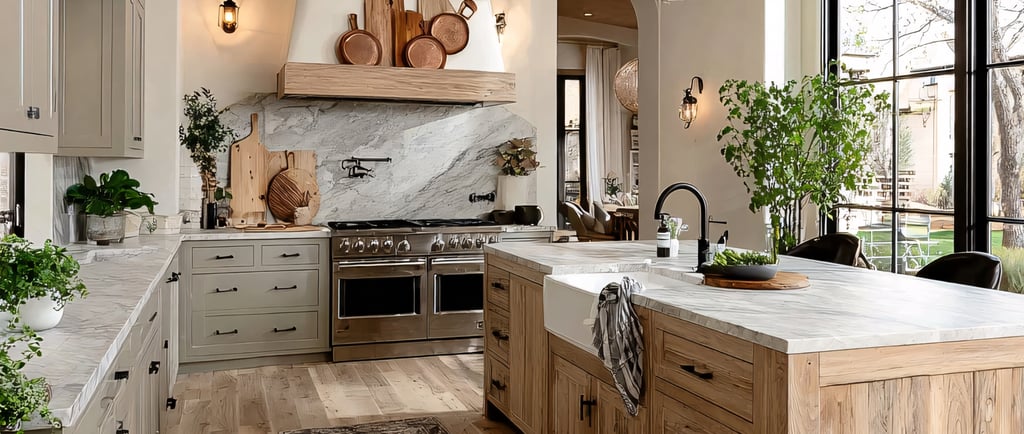
Ever wonder why your kitchen still feels chaotic even though you try to keep it organized? Some common organizing habits actually add to the clutter and make cooking more stressful, whether it's crammed cabinets or storage choices that just slow you down. Mess isn't always about owning too much stuff.
How you arrange things counts just as much as what you own. If you stash pots far from the stove or let little-used appliances hog counter space, you’re just making things harder. Small organizing mistakes can turn meal prep into a real headache.
The upside? You don’t need to gut your kitchen to fix these issues. Just a few tweaks in where and how you store things can change the whole vibe. You’ll figure out which mistakes to steer clear of, how to undo the ones already in play, and some practical fixes that actually fit your daily routine.
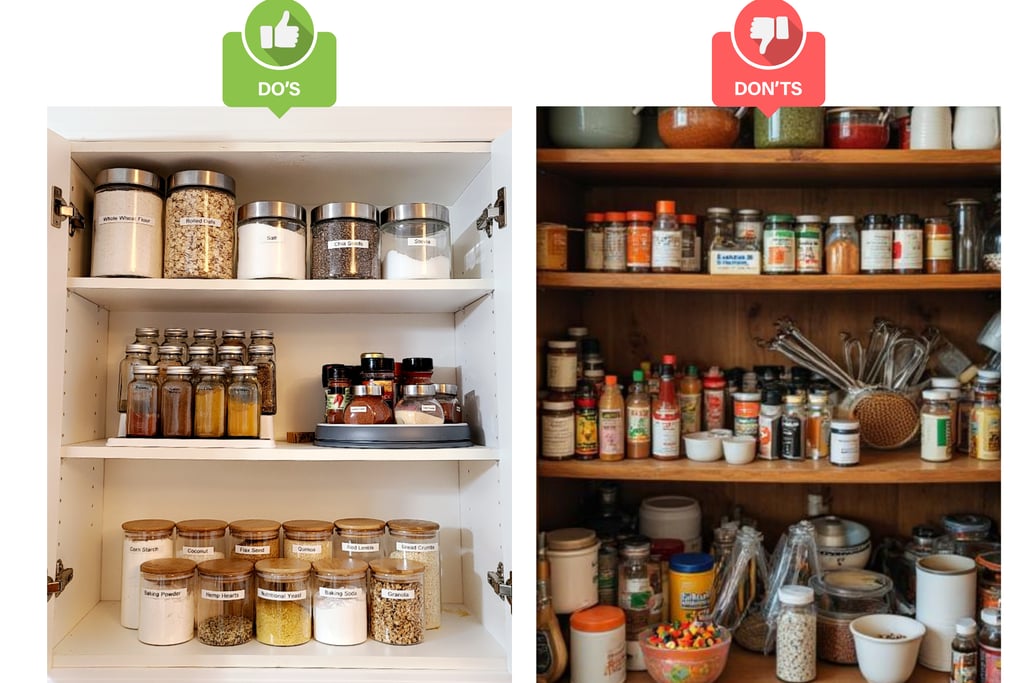
Fundamental Kitchen Organization Mistakes
Even tiny missteps in organizing your kitchen can make every day more annoying and waste your time. Most kitchen organizing mistakes come down to a few main issues that mess with how smoothly your kitchen works.
Overcrowding Cabinets and Drawers
When you cram cabinets and drawers full, you set yourself up for trouble every time you need something. If you overload shelves, things tumble out or get buried, and you end up shuffling stuff around just to reach for what you want.
Try leaving about 20% of each shelf empty. That little bit of space makes grabbing things so much easier. The same goes for drawers, too many utensils just create chaos.
Signs you’ve gone overboard:
Stuff falls out when you open cabinets
You have to move several things to get to one item
Drawers jam or won’t close right
You can’t see what’s shoved in the back
Give your kitchen some breathing room. Keep only what you use most in easy-to-reach spots. Move the rarely used stuff to top shelves or even another room if you have to.
Lack of Designated Areas for Kitchen Items
Stashing things wherever there’s space turns cooking into a scavenger hunt. If you split up related items into different cabinets, you add extra steps to every meal.
Set up zones based on how you cook. Keep all your baking stuff together. Store oils and spices near the stove. Put dishes and glasses close to the dishwasher.
Basic zones to set up:
Baking (flour, sugar, measuring cups, mixing bowls)
Cooking (pots, pans, utensils, oils)
Prep (cutting boards, knives, mixing bowls)
Cleaning (dish soap, sponges, towels)
Group things by what you use them for, not by what fits in a bin. A good setup lets you grab everything for a task from one spot and makes life easier, honestly.
Not Decluttering Regularly
Setting up an organized kitchen once doesn’t mean it’ll stay that way. Your needs change, but most people rarely look at what’s piling up. Duplicate gadgets, expired spices, and unused tools just eat up space.
Every three months, go through your cabinets and drawers. Toss extra peelers or measuring cups. Donate tools you haven’t touched in a year.
Check expiration dates on pantry items and spices. If it’s past its prime, out it goes. Keeping up with this stops clutter from creeping in, and you won’t end up buying another can opener because yours got lost in the mess.
Storage Solutions That Backfire
Sometimes, what seems like a smart storage idea just makes your kitchen more annoying. Random containers, wasted wall space, and bad stacking habits eat up room and slow you down.
Using Mismatched or Inefficient Storage Containers
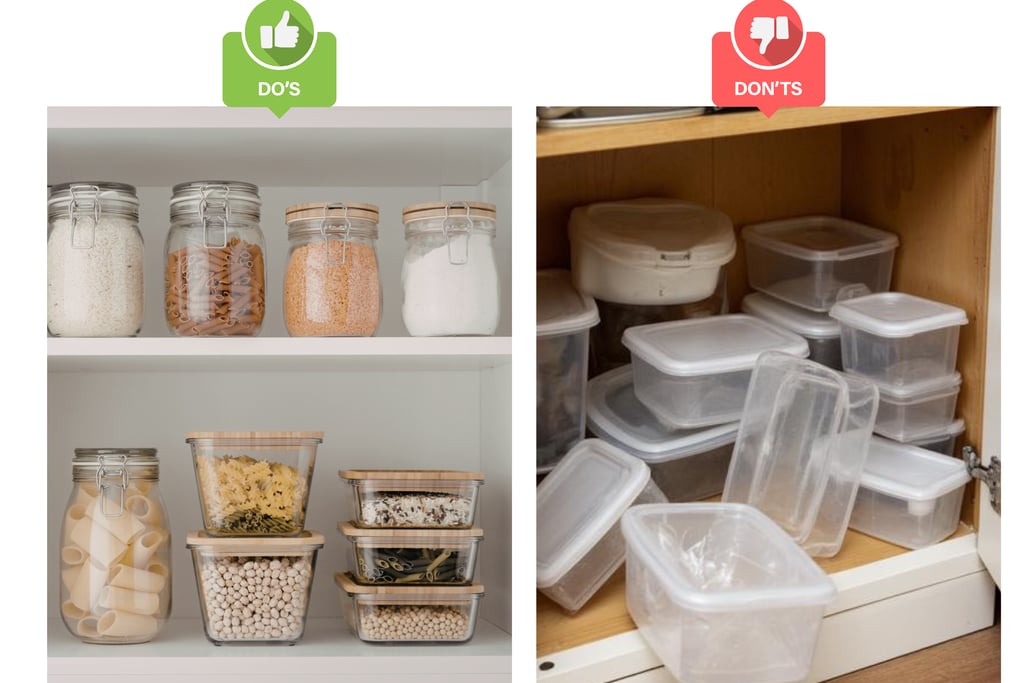
Having a jumble of food containers from different brands is more trouble than it’s worth. They don’t stack well, hog space, and you’ll waste time hunting for the right lid—if it’s still around.
Old takeout containers and yogurt tubs might feel thrifty, but their weird shapes just don’t fit together. They leave awkward gaps and make everything harder to find.
Invest in a matching set of stackable containers with lids that actually fit each other. Go for square or rectangular ones because they just use space better. Three or four sizes should cover most needs.
Just switching to this can clear up a lot of room. You’ll actually be able to see what you have, and your kitchen storage will finally make sense. Clear containers help by not having to open every single one to find leftovers.
Ignoring Vertical and Door Storage Opportunities
Most kitchens have empty vertical space that could do more. Flat storage just wastes the tops of cabinets and walls that could actually help you out.
Pantry and cabinet doors are prime real estate, but people often forget about them. If you ignore this space, you miss a chance to clear up shelves for bulkier stuff.
Add shelf risers inside cabinets to make extra layers for dishes or cans. Mount a magnetic knife strip or hang pots from a rack above the stove. Wall-mounted spice racks keep things in sight and easy to grab.
Over-the-door organizers work for spices, cleaning stuff, or wraps. Hang measuring cups or lids on cabinet doors with hooks. Even the sides of cabinets can hold oven mitts or towels if you stick on a hook.
Stacking Items Instead of Using Organizers
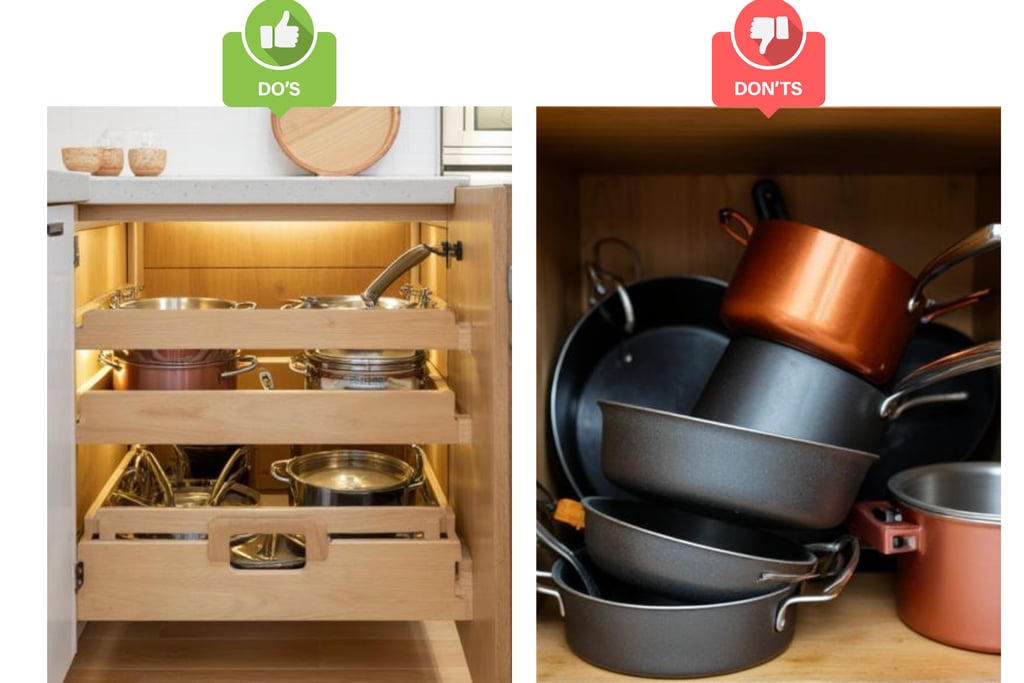
Stacked pots and pans just turn your cabinets into a noisy, annoying mess. Every time you want the bottom one, you have to pull out the whole pile. It scratches your cookware and you’ll probably just use whatever’s on top out of frustration.
Drawers without dividers become a black hole for utensils. Stuff gets tangled, lost, or banged up. It’s a pain to dig through every day.
Install dividers or racks so pots and pans stand on their sides. File-style organizers let you pull out what you need without moving everything else. Hanging your go-to pans makes them even easier to grab.
Use adjustable drawer organizers that fit your tools. Keep similar things together and put what you use most in the best spots. Store cutting boards upright in a rack instead of piling them flat.
Common Countertop and Appliance Mistakes
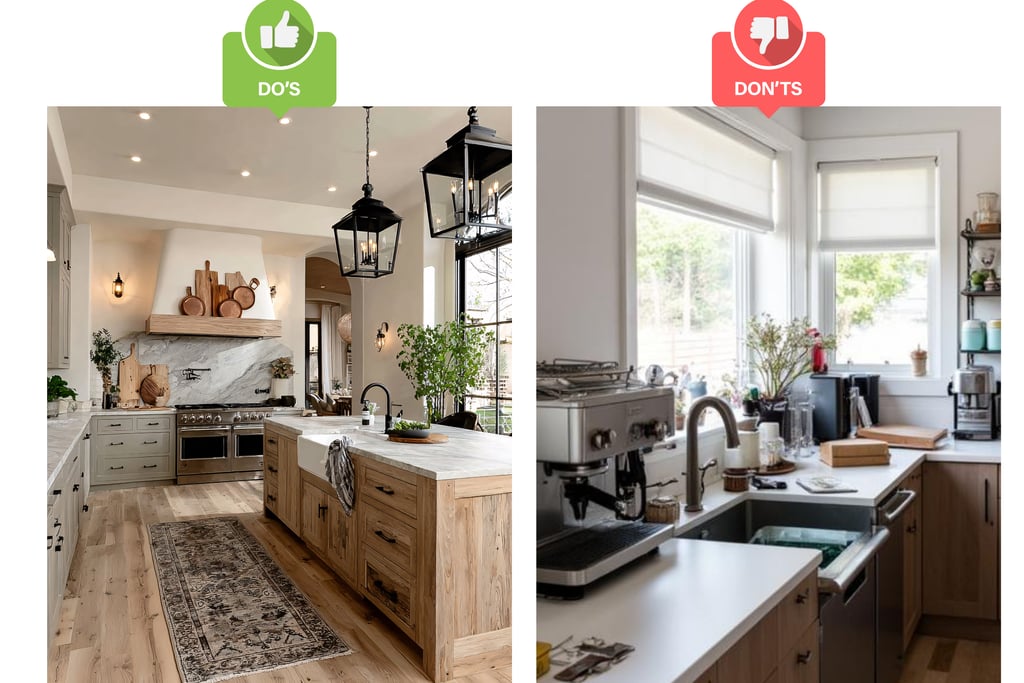
Your countertops are where the action happens, but the wrong appliance choices or clutter can turn them into a disaster zone. Too much stuff out at once shrinks your workspace and makes cooking way more complicated than it should be.
Keeping Rarely Used Appliances Out
Why let every appliance live on your counter? That bread maker you use twice a year, or the juicer just collecting dust, takes up precious space you need for actual cooking.
Stash appliances you use less than weekly in a cabinet or pantry. Only the daily-use ones (like the coffee maker or toaster) deserve a spot on the counter. If you have a small kitchen, this is even more important.
Think about what you really use each week. If you can’t remember the last time you plugged something in, it belongs in storage. Pull it out when you need it, then put it away again.
Overcrowding Countertops
Crowded countertops are one of the fastest ways to wreck your kitchen’s flow. If you leave too much out, there’s nowhere to prep food or even set down a pan.
Try to keep at least one big section of counter clear for meal prep. It makes a huge difference.
Move decorative stuff, fruit bowls, and even paper towel holders if they’re in the way. Stash oils and utensils in a drawer or cabinet instead of leaving them out. You’ll have more space to work and cleaning up gets way easier.
Let your kitchen layout and your habits decide what stays out. Don’t just default to leaving everything on the counter.
Improper Knife and Spice Storage
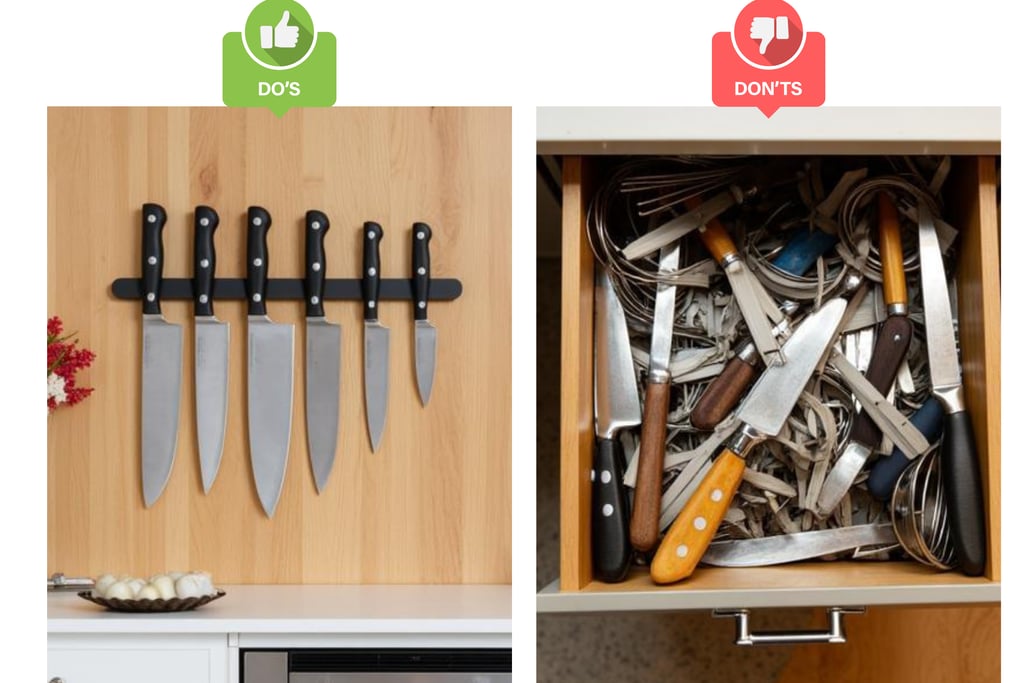
Tossing knives loose in a drawer ruins the blades and isn’t safe. Knife blocks take up counter space and usually hold more knives than you really use.
Put a magnetic strip on your wall for your main knives. It frees up drawer space and keeps them sharp and handy.
Spice rack placement matters, too. If you keep spices right next to the stove, heat ruins their flavor. Store them in a cool, dry cabinet near where you cook. Drawer inserts or cabinet door organizers make it easy to spot what you need. This works better than countertop spice racks that just get greasy and take up space.
Maintaining an Organized Kitchen
A good kitchen setup only sticks if you keep up with it. Checking for expired stuff and balancing looks with function will keep your space working for you, not against you.
Neglecting Regular Maintenance
Your kitchen needs a little attention now and then to stay in shape. Set aside 15 minutes a week to tidy up storage and return things to their spots.
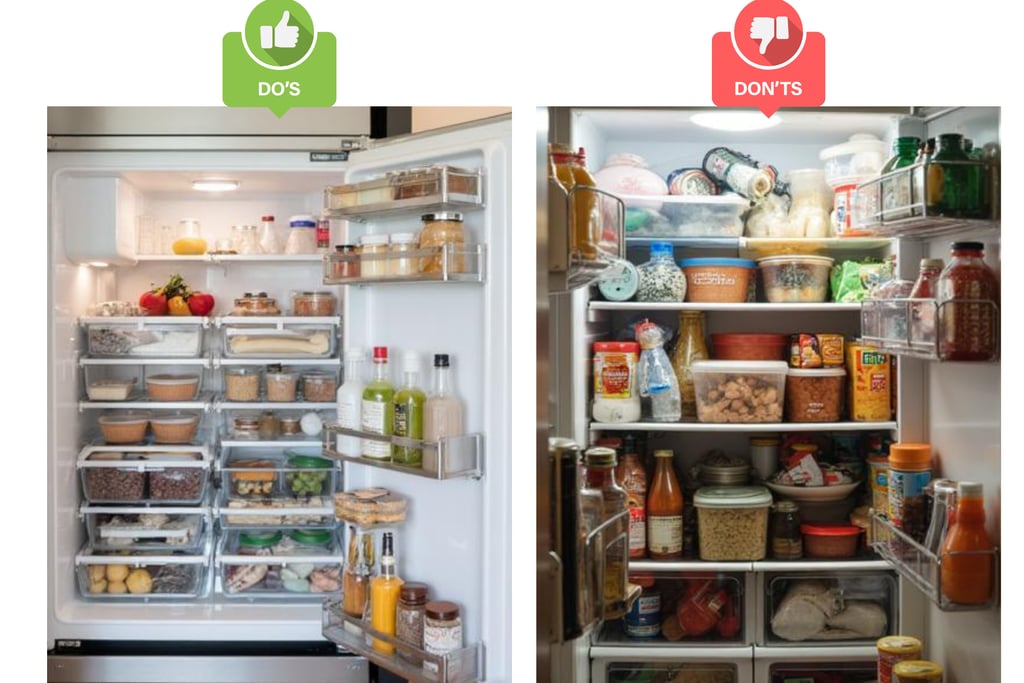
Do a monthly sweep of your fridge and pantry to check dates and move older food forward. This helps cut down on waste and keeps things manageable.
Clean out one drawer or cabinet each week. Small, steady efforts beat waiting until the mess is overwhelming.
Weekly to-dos:
Wipe shelves and check for spills
Put things back after busy cooking
Return borrowed items to their zones
Sort through your junk drawer and ditch what doesn’t belong
Forgetting to Remove Expired Food and Unused Items
Expired food just hogs space and makes it harder to find what’s fresh. Old stuff blocks your view and adds to the mess.
Check expiration dates on pantry goods, fridge items, and spices. Most people don’t realize spices lose their punch after six months to a year, even if they’re not technically “expired.”
Get rid of appliances and gadgets you haven’t used in a year. That bread maker or random tool might’ve seemed like a must-have, but if it’s collecting dust, it’s just in your way.
Only keep the food containers you actually use. Toss the ones missing lids or the oddball sizes that never fit. It’ll save you time and headaches when you’re packing up leftovers.
Prioritizing Aesthetics Over Functionality
Honestly, a gorgeous kitchen means nothing if it doesn't fit the way you actually cook. If your setup looks amazing but doesn't match your real habits, clutter will sneak back in before you know it. Organization should feel natural, not just Instagram-ready.
Put things where you reach for them, even if it messes with the “magazine” look. Having your favorite pot right by the stove beats lining up pretty jars you'll never use. Life's too short to hunt for a spatula just because it looks better somewhere else.
Pick storage you’ll stick with. Sure, clear containers are nice in theory, but if you never bother to refill them, what's the point? Sometimes the original box is just easier, especially when you’re tired or rushing through a busy week.
Functionality priorities:
Keep heavy stuff at waist level so you don’t have to struggle
Stash everyday things where you can grab them fast
Save the best spots for tools you use all the time
Hide backup supplies in those awkward, out-of-the-way cabinets
Your kitchen should actually work for you and the way you cook and not for some imaginary, perfect-chef version of yourself.
Kitchen Storage Solutions That Work
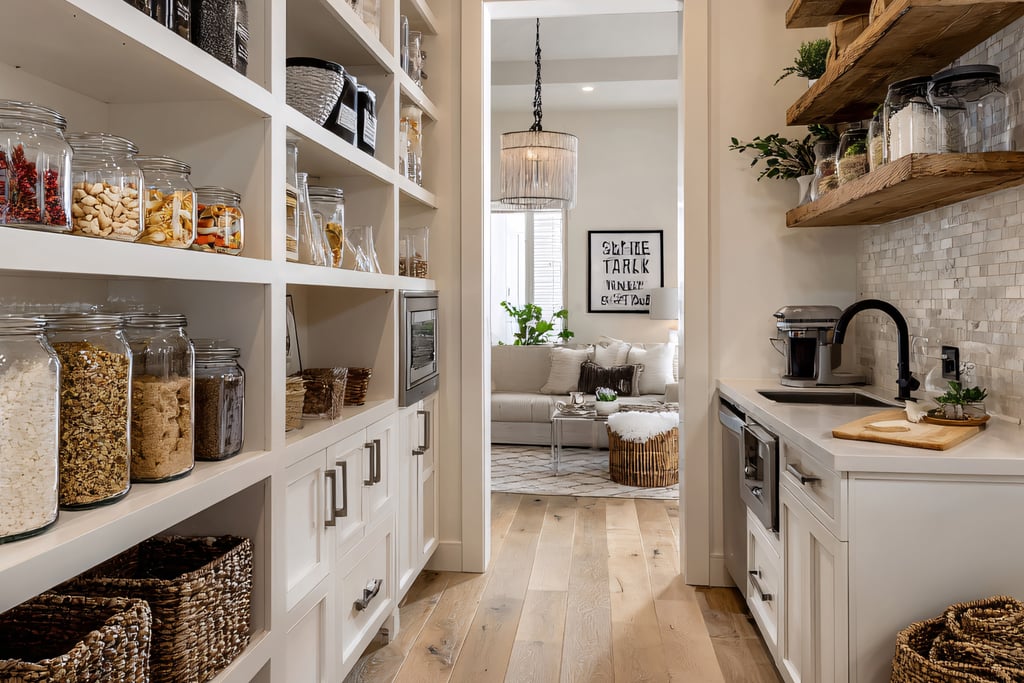
You want kitchen storage that actually makes life easier—not just stuff that looks nice. The right setup shaves minutes off your daily routine, and honestly, who doesn't want that?
Try out vertical storage options like shelf risers in your cabinets or wall-mounted racks. They let you use all that awkward space way up high, instead of letting it just gather dust.
Container storage works best if you stick with one set that has interchangeable lids. Go for square or rectangular ones as they stack better and take up less space than a jumble of random containers.
For pots and pans, grab some dividers or racks so you can stand them up or store them on their sides. It's so much easier to grab what you need without digging through a pile. File-style organizers? They’re kind of a game changer here.
Door space is super underrated. Put up over-the-door organizers for things like:
Spices and seasoning packets
Cleaning supplies
Food wrap and foil
Measuring cups and spoons
Pot lids
Keep the stuff you use all the time right where you need it. Coffee stuff by the coffee maker, utensils by the stove, cutting boards near your prep zone. This zone system cuts down on extra steps—makes cooking way less of a hassle.
Drawer organizers keep utensils from turning into a tangled nightmare. Adjustable dividers let you tweak the setup for whatever weird collection of tools you've got.