
Quiet Luxury Home Decor Switches to Instantly Elevate Your Room
HOME DECOR
12/11/20259 min read
The quiet luxury design trend has really changed how people think about home decor. Instead of flaunting wealth, folks now lean into refined simplicity.
This style puts quality materials, timeless pieces, and understated elegance front and center. You can totally get that sophisticated vibe by making smart decor swaps such as craftsmanship, neutral palettes, and intentional choices over pricey renovations.
Honestly, the magic here is in making spaces feel effortlessly expensive. You don't need to overwhelm your senses or break the bank.
Quiet luxury relies on materials and subtle details to do the heavy lifting. Each element has a job, but together, they create this calm, sophisticated atmosphere that just feels good to live in.
In this guide, I'll walk you through some specific changes that bring quiet luxury to your home. You'll find practical tips for lighting, textiles, and furniture that help nail this enduring look.
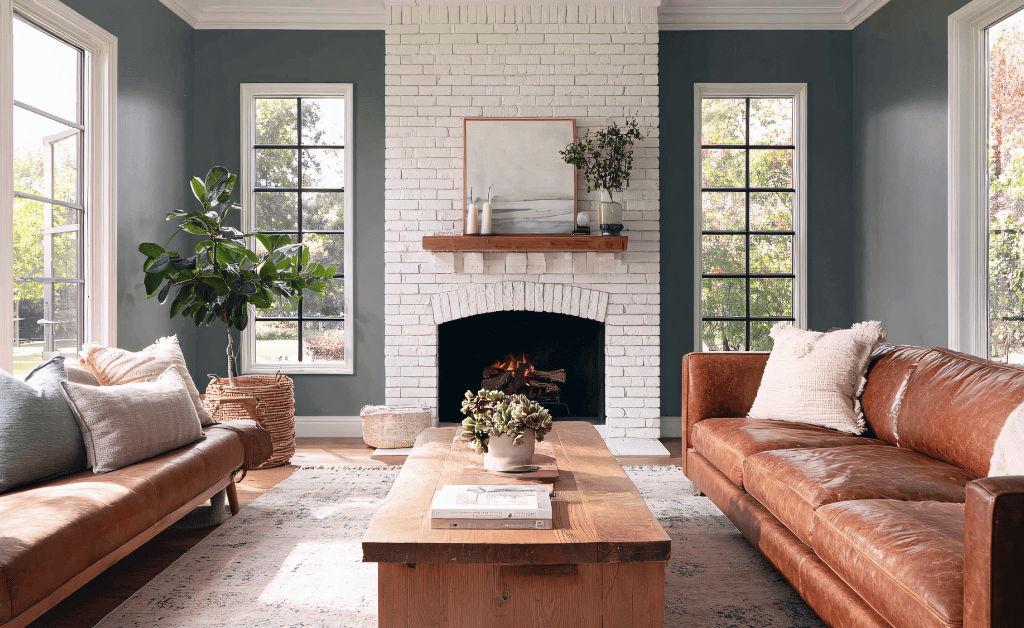
What Is Quiet Luxury in Home Decor?
Quiet luxury is all about refined simplicity—high-quality materials, expert craftsmanship, and timeless design. You get sophisticated spaces without screaming for attention or showing off wealth.
This understated approach to home decor is subtle, never flashy.
Defining the Quiet Luxury Aesthetic
The quiet luxury aesthetic focuses on spaces that whisper rather than shout. You'll notice that it values quality over quantity—every piece matters.
Neutral color palettes—whites, beiges, grays, and earth tones—set the mood. These colors make rooms feel calm, elevated, and super inviting.
You won't spot loud patterns or over-the-top decorations here. Instead, you'll find furniture and decor with clean lines and classic silhouettes.
The materials themselves steal the show: natural stone, premium woods, fine linens, and quality metals. Texture is key—think cashmere throws, linen curtains, and wool rugs layered together.
Origins and Influences
Quiet luxury came about as a kind of backlash to maximalism and all that showy spending in interior design. It really picked up steam in 2023 and is still shaping home design trends for 2025 and 2026.
You'll see nods to Scandinavian minimalism, Japanese wabi-sabi, and old-money European vibes. These influences push restraint, appreciating natural imperfections, and buying things that last.
This style feels a bit warmer and cozier than strict minimalism, though. It also taps into a bigger trend toward mindful consumption and sustainability.
Instead of chasing trends, you pick pieces that are built to last decades. It's a more meaningful, curated way to decorate—plus, it's better for the planet.
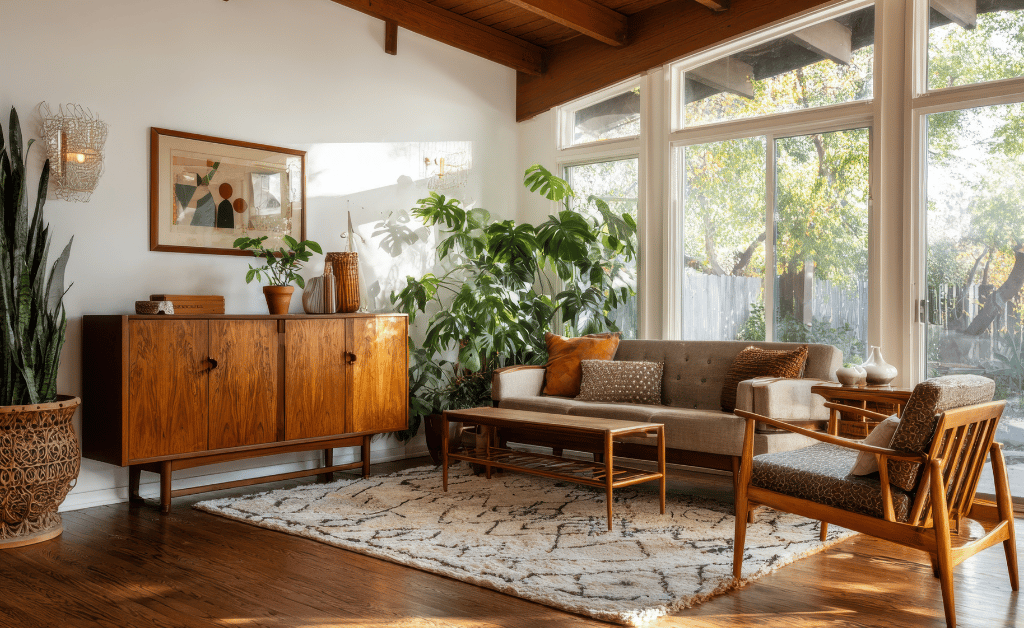
Key Elements That Distinguish Quiet Luxury
What really sets quiet luxury apart? A handful of things, actually:
Material Quality: You choose natural stuff—solid wood, stone, leather, and organic textiles. The craftsmanship stands out in the details: hand-stitching, precise joinery, and all that good stuff.
Subtle Lighting: Lighting is soft and warm, not harsh. You might use dimmers, layers of light, and fixtures that look elegant but never gaudy.
Curated Simplicity: Everything has a purpose. You avoid clutter and excessive decoration, making space for each piece to stand out.
Timeless Design: You pick furniture and decor that won't look out of place in a decade. Classic shapes always win over trendy ones.
Investment Mentality: It's not about spending a fortune. The focus is on thoughtful choices that last, not just filling a room quickly.


10 Quiet Luxury Home Decor Switches That Instantly Elevate Any Room
When you swap in quality materials, refined lighting, and a well-chosen color scheme, you take a space from basic to sophisticated. The trick is to prioritize craftsmanship and subtlety instead of chasing trends.
Upgrading Textiles to High-Quality Natural Fibers
Natural fibers can totally change the feel of your space. Linen bedding, wool throws, and silk pillows look sophisticated and just get better with age.
Cotton sateen sheets (aim for 300-400 thread count) hit that sweet spot between soft and breathable. Cashmere blankets add warmth without being bulky—they drape beautifully over sofas or beds.
Swap polyester curtains for linen or cotton panels
Trade acrylic rugs for wool, jute, or silk ones
Go for 100% cotton or linen upholstery instead of blends
Natural fibers bring in texture without needing busy patterns. Linen's wrinkles feel relaxed and intentional, not messy. Wool's natural lanolin helps resist stains and keeps you comfy in every season.

Swapping Out Statement Lighting for Sculptural Fixtures
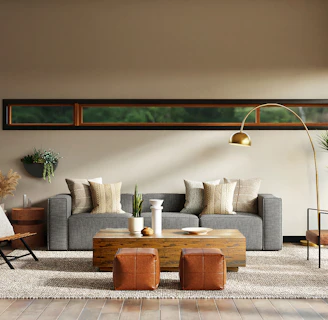
Sculptural lighting can double as functional art. Instead of flashy chandeliers, pick fixtures with clean lines and interesting shapes.
Alabaster pendant lights give off a warm, diffused glow, and their stone adds quiet depth. Pendants with a warm glow fit right in without taking over the room.
Brushed brass or bronze finishes look better as they age and work with lots of styles. Wall sconces next to mirrors or art add layers of light and get rid of harsh shadows.
Look for dimmable fixtures so you can shift the mood throughout the day. Sometimes, just one sculptural floor lamp with an organic shape does more than a bunch of little decor items.
Materials like mouth-blown glass, hand-turned wood, or forged metal show off real craftsmanship. The goal? Let form and quality shine, not just ornamentation.


Switching to Subtle, Sophisticated Color Palettes
Soft neutral tones set a calm stage and let your furniture and architecture stand out. Choose whites with warm undertones, taupey greys, and beiges that have a bit of depth—skip anything too stark or bright.
Layer shades from the same color family to add depth without chaos. Off-white walls, cream textiles, and sand-colored woods create dimension through gentle contrast.
Bring in darker neutrals—charcoal, chocolate brown—as accents to ground the space. Natural material colors, like honey oak or marble veining, just seem to work together.
Want a hint of color? Try muted earth tones like sage, terracotta, or dusty blue, but keep them soft and desaturated. And for paint, matte or eggshell finishes look way more sophisticated than high-gloss.
Choosing Timeless Over Trendy Furniture
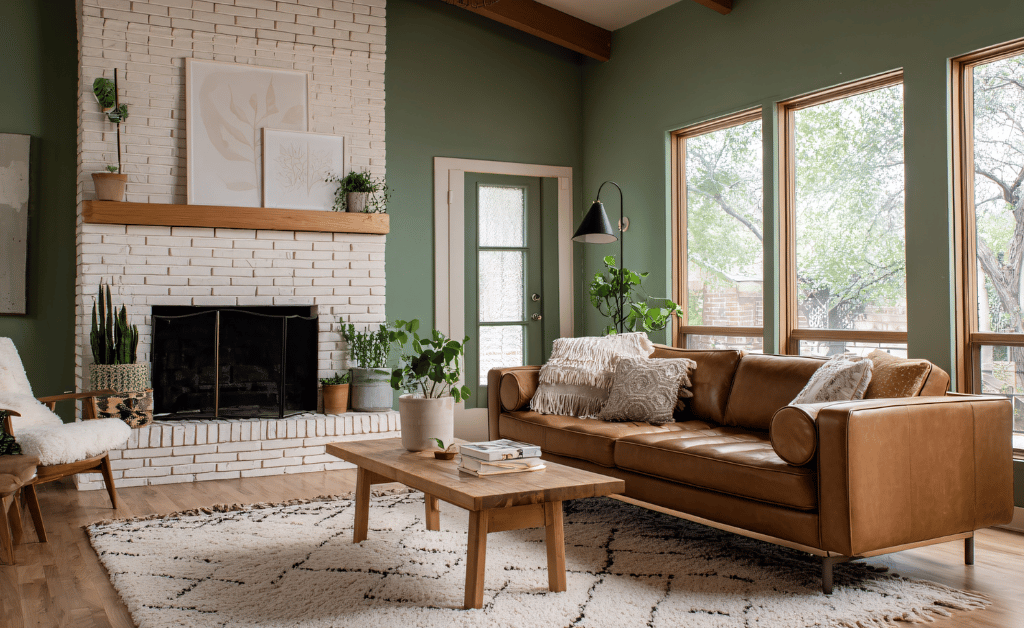
Classic, investment-worthy pieces always outlast trends. A simple, well-made sofa in quality fabric will serve you for years, while something super trendy just won't age as well.
Look for traditional joinery such as mortise-and-tenon, dovetail, that sort of thing. Solid wood frames beat out particleboard every time, and eight-way hand-tied springs in sofas are just more comfortable and durable.
Timeless furniture usually has:
Clean lines, not fussy details
Proportions that feel balanced and classic
Natural materials that look better over time
Neutral, hard-wearing upholstery
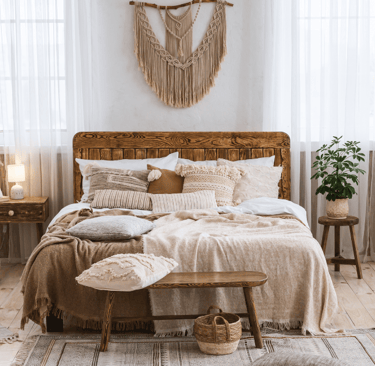
Skip furniture with obvious branding, trendy built-in colors, or exaggerated shapes. Pieces like Chesterfield sofas, Parsons tables, or wingback chairs work across styles and let you change things up with art or textiles instead of starting from scratch.
Design Strategies for Implementing Quiet Luxury
Getting quiet luxury interior design right means being intentional with texture, restraint, and craftsmanship. The goal is a space that feels refined but never overdone.
Layering Textures for Depth
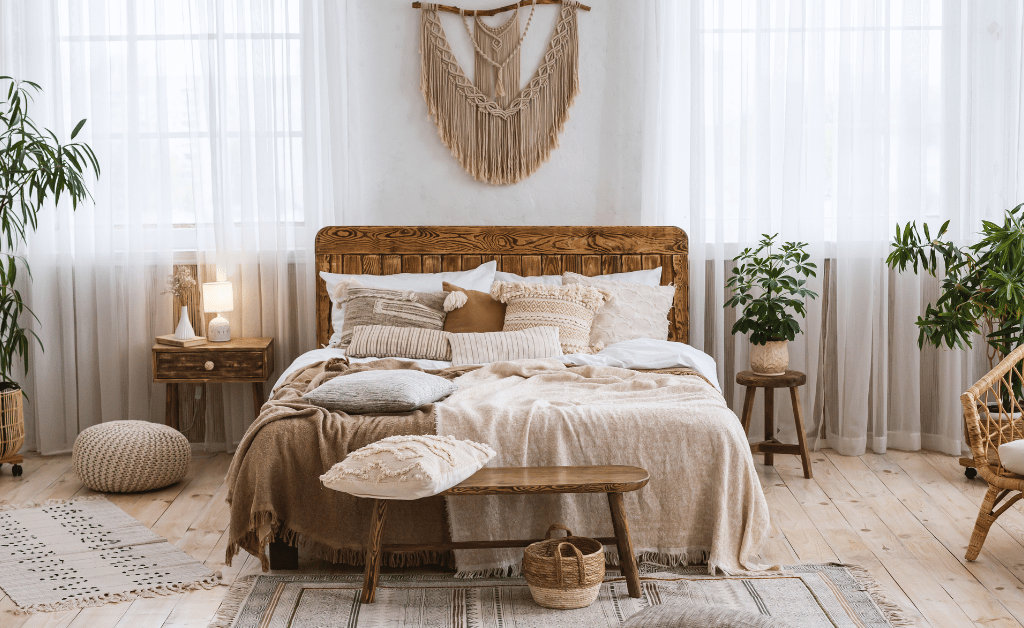
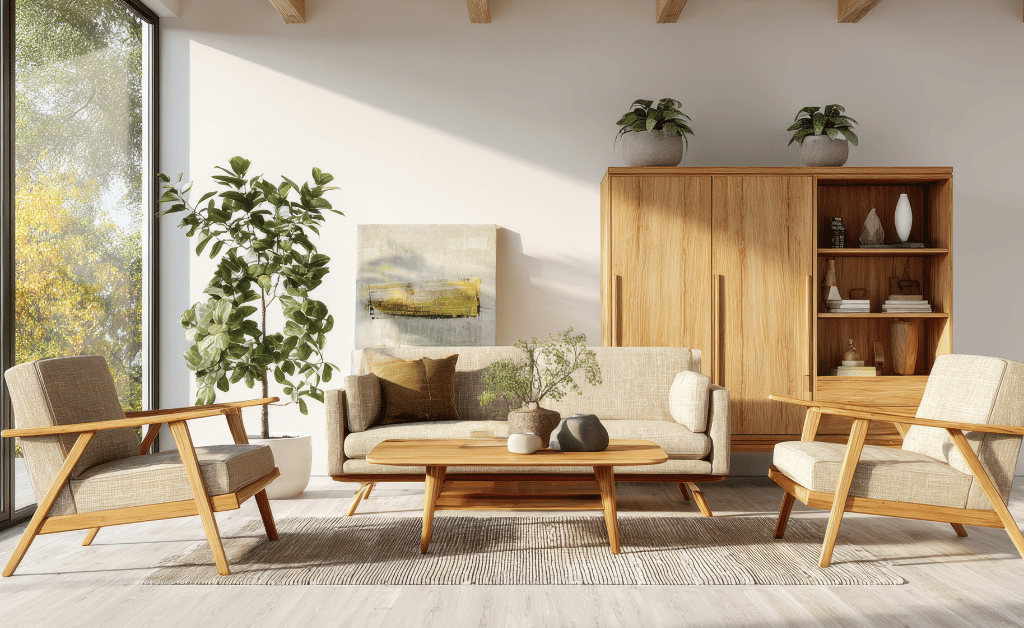
Mixing textures is how you keep neutral spaces interesting without adding color or pattern. This trick adds depth and makes things feel cozy and lived-in.
Start with basics like linen upholstery, wool rugs, and cotton bedding. Then toss in some contrast—maybe silk velvet pillows, a cashmere throw, or a brushed leather accent chair.
Try to balance matte and subtle sheen finishes. Pair a nubby linen sofa with smooth marble side tables. Or maybe a plush wool rug on sleek wood floors. The contrasts keep things tactile and inviting.
Notice how light hits different surfaces throughout the day. Raw silk and bouclé catch the sun differently than polished stone or oiled wood, which brings a subtle movement to your space.
Embracing Minimalistic Accessories
Accessories should be few and meaningful. Each one needs to earn its spot—no filler allowed.
Go for clean lines and sculptural shapes. One big ceramic vase, a handmade bowl, or an architectural candleholder can do more than a shelf full of knickknacks.
Oversized ceramic vessels in neutral colors
Hand-thrown pottery with organic shapes
Single statement candleholders in brass or marble
Woven baskets for hidden storage
Artisanal trays made from natural materials
Quality always trumps quantity. One beautiful object says more than a dozen average ones. Stick to accessories in stone, wood, ceramic, or metal for that authentic feel.


Curating Art With Understated Impact
Art should add to your space, not take it over. Understated elegance in home styling means picking pieces that invite you to look closer, not just stare.
Abstract art in neutral colors works great here. Look for subtle variations, organic shapes, or minimalist vibes. Black-and-white or muted photography fits right in, too.
Choose artwork that's the right size for your wall. Sometimes, one large piece feels more impactful than a bunch of tiny ones. Give your art some breathing room—don't crowd it.
Works on paper—drawings, prints, watercolors—often feel softer and less showy than bold paintings. Keep framing simple: natural wood, black metal, or white mats, nothing too ornate.


Prioritizing Craftsmanship and Fine Details
You spot quiet luxury by noticing how things are made—not just what they look like. The details hint at quality, even if they don't jump out at you right away.
Check out the joinery on furniture. Dovetail joints, mortise and tenon construction, and hand-finished edges all point to real craftsmanship.
These touches make furniture last and show that someone actually cared about quality, not just following trends.
Hardware choices can make or break the feel of a space. Go for solid brass, bronze, or stainless steel pulls and knobs instead of anything just plated.
You'll notice the difference in weight and finish every time you open a drawer or cabinet—it just feels better.
Craftsmanship indicators to look for:
Hand-stitched upholstery seams
Solid wood construction versus veneers
Hand-applied finishes with visible grain
Weighted drawer glides with soft-close mechanisms
Natural edge details on stone and wood surfaces
Finishing touches matter too. Pick switch plates in brushed metal, hang up sturdy curtain rods, and choose lighting fixtures that actually feel substantial.
All these little choices add up to that refined yet relaxed lifestyle that makes quiet luxury spaces so appealing.


Maintaining the Quiet Luxury Look Over Time
High-quality materials need a bit of extra care, but it's worth it. With some planning, you can keep things looking sharp without constant makeovers or sacrificing longevity.
Caring for Elevated Materials
Natural materials, which really define quiet luxury interior design, need a gentle touch. Linen upholstery likes a professional clean every 12-18 months, and regular vacuuming with a soft brush keeps dust from settling in.
Marble loves pH-neutral cleaners. If you spill wine or citrus juice, blot it up right away.
Seal marble countertops and tables every year to ward off stains and etching. It's a small step that pays off in the long run.
Hardwood furniture shines brightest when you use the right conditioner every few months. Coasters and placemats? Not optional if you want to avoid water rings or heat marks.
Brass and bronze hardware will develop a patina over time, which honestly looks great. If you want to keep the original finish, just rub on a little Renaissance wax every now and then—no need to overdo it.
Periodic Refresh Without Overhauling
Rotate your textiles with the seasons. Swapping pillow covers, throws, and curtains helps everything wear evenly and keeps the neutral palette from feeling stale.
Try replacing or restoring one key textile each year. Maybe a new linen duvet cover or reupholstered dining chairs—it's enough to keep things fresh without a total overhaul.
Keep an eye on your lighting. LEDs dim gradually (who knew?), so swap out bulbs if the room starts feeling less inviting.
Edit your decorative objects by storing a third of them and rotating what's on display every few months. This keeps surfaces tidy and prevents you from getting bored with the same setup all year.
Sourcing Sustainable and Enduring Pieces
Look for furniture built with mortise-and-tenon joinery and solid wood frames, not particle board or stapled joints. These methods help pieces stay sturdy and easy to repair, even decades down the line.
When it comes to textiles, go for long-staple cotton, European linen, or wool from mills that actually show where their materials come from. Natural fibers like these can handle lots of cleaning without pilling or falling apart, which is honestly a relief.
Double-check return policies and warranty coverage before you commit to a big-ticket item. Usually, the brands that care about quality craftsmanship pieces will back their frames and mechanisms with a 5-10 year warranty—always a good sign, right?
Try sourcing vintage and antique pieces from certified dealers who can actually prove where things came from and what shape they're in. Pre-owned items with a real backstory add character to your home and support timeless design principles—not to mention, it's a solid way to avoid the endless cycle of buying new.