
The 2026 Aesthetic: Upcoming Cozy Minimalist Trends You’ll Want Early
Get ahead of the curve! Explore the 2026 Cozy Minimalist Aesthetic, a blend of simple lines and warm, inviting textures. Learn the upcoming trends in natural materials, warm neutrals, and layered textiles you can start using in your home design now.
HOME DECOR
12/10/20257 min read
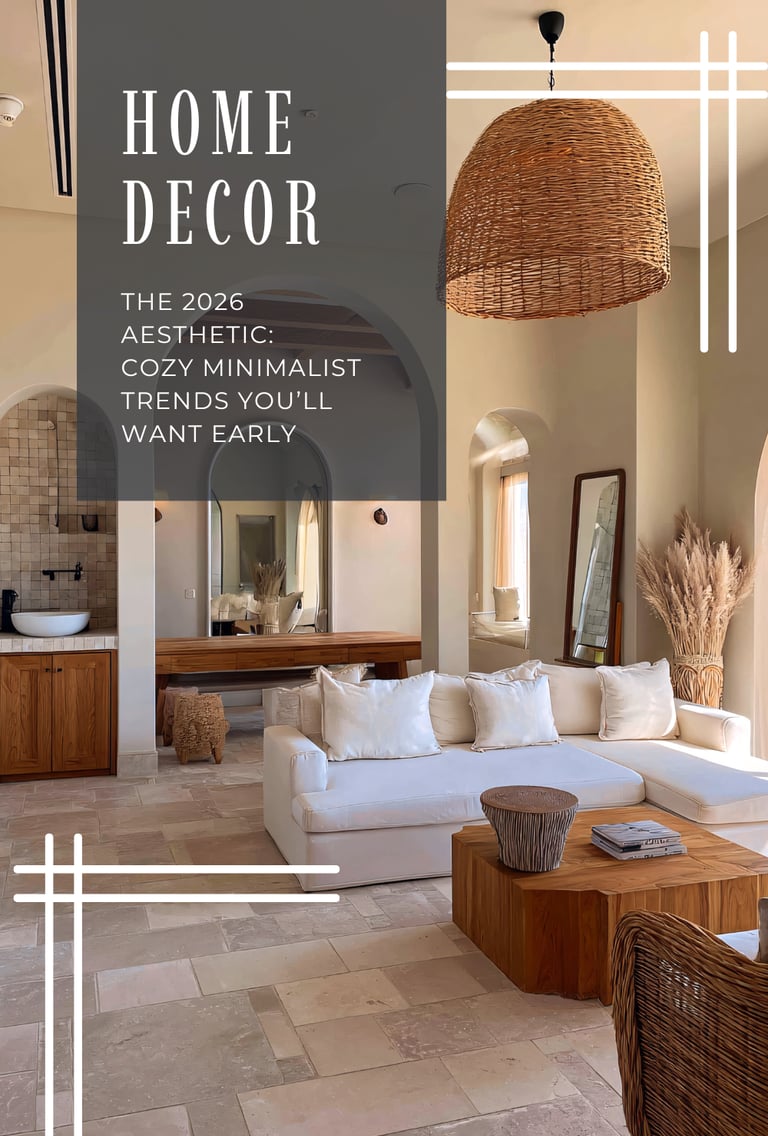
The design world’s shifting gears for 2026, and you might already spot little hints of what’s coming. Cozy minimalism mixes those crisp lines and open spaces of minimalism with warm textures, natural materials, and a sense of comfort that actually makes a home feel, well, like home.
It ditches that cold, almost clinical vibe minimalism sometimes gets stuck with, but keeps the simplicity that helps a space feel calm and functional.
No need to wait until summer 2026 to jump in. If you get a handle on the basics now, you can update your space thoughtfully, without rushing or buying stuff you’ll regret later.
This guide digs into what really makes the cozy minimalist look tick and points out the design elements that are starting to take off. You’ll figure out which trends are worth snagging early, and how to work them into your home without overhauling everything.
More Simple, More Efficient
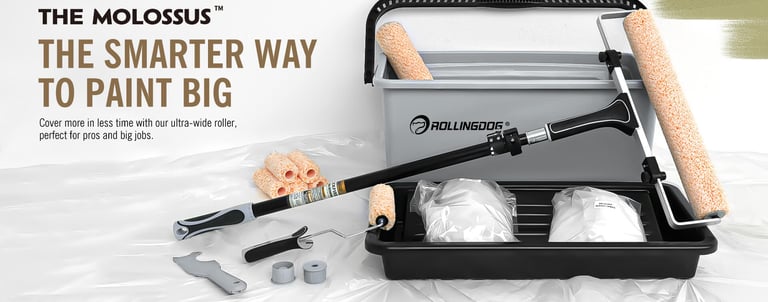
From painting walls and ceilings to reaching tricky corners, ROLLINGDOG offers a full range of tools that tackle every surface with ease. All-in-One Solutions for Every Job.
Fundamentals of the 2026
Cozy Minimalist Aesthetic
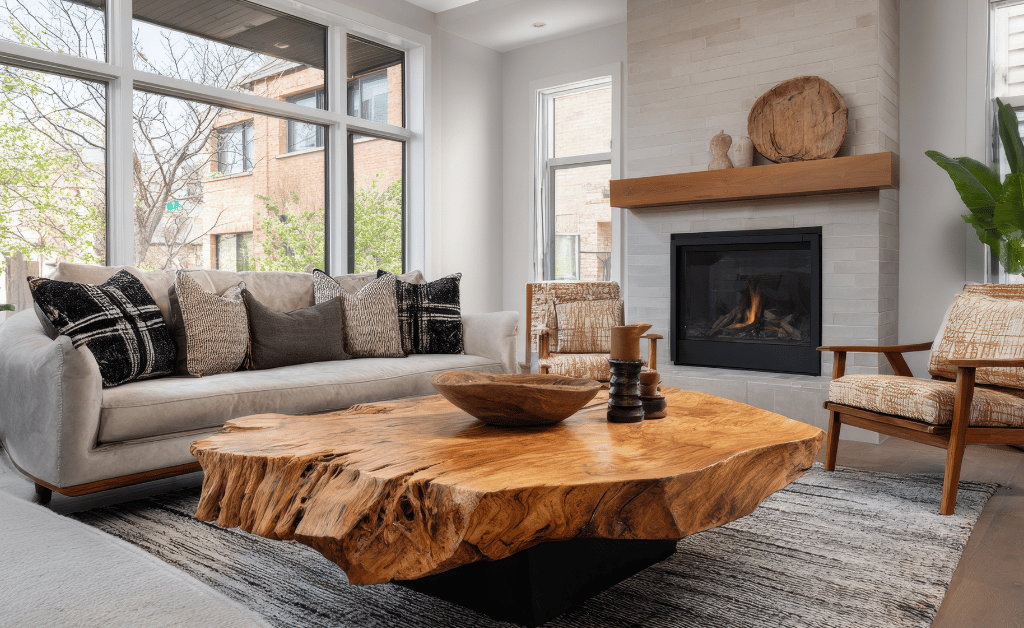
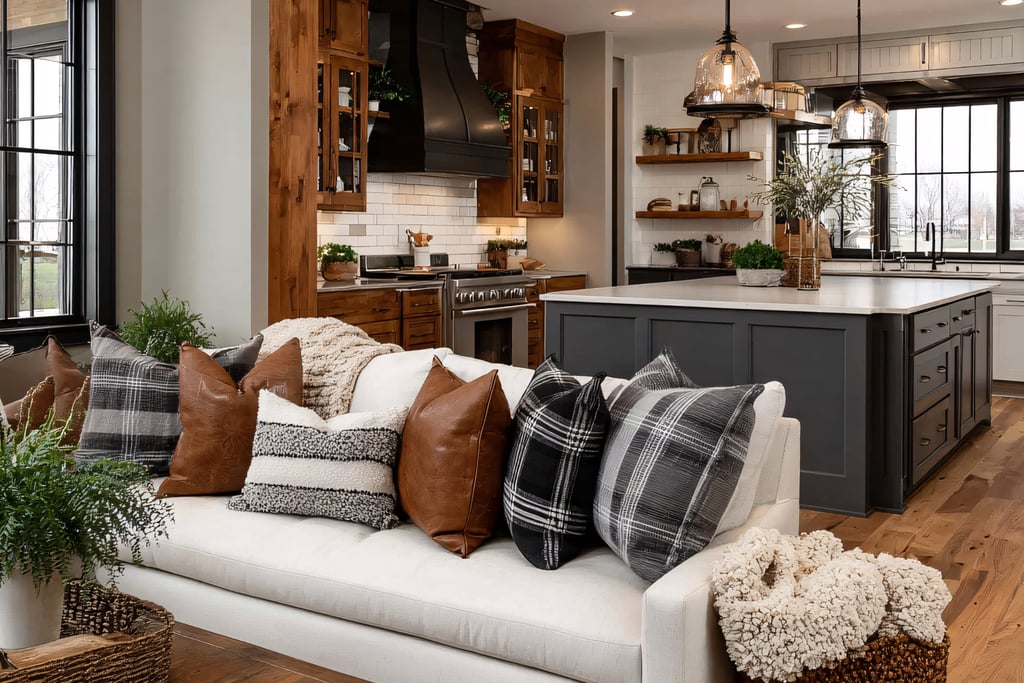
The 2026 cozy-minimalist vibe is all about balancing streamlined spaces with a sense of tactile warmth. Think neutral tones, lots of sunlight, and organic touches.
This approach means you’re making design choices that feel intentional, creating spaces that welcome you in—without the clutter.
Defining Cozy Minimalism for 2026
Cozy-minimalism takes the best parts of minimalist design—uncluttered and simple—and layers in things that make a space feel lived-in. It’s about quality, not quantity, and bringing in that warmth minimalism sometimes misses.
Instead of those icy white rooms, 2026’s take on the trend leans into spaces that feel both tidy and inviting. Furniture and decor should have a real purpose and help set a peaceful mood.
Try picking out fewer things, but make each one count. If something doesn’t serve a function or have personal meaning, maybe skip it. What sets this apart from old-school minimalism is the focus on soft textures, warm materials, and thoughtful details that make you want to actually use your space.
Embracing Clean Lines and Simplicity
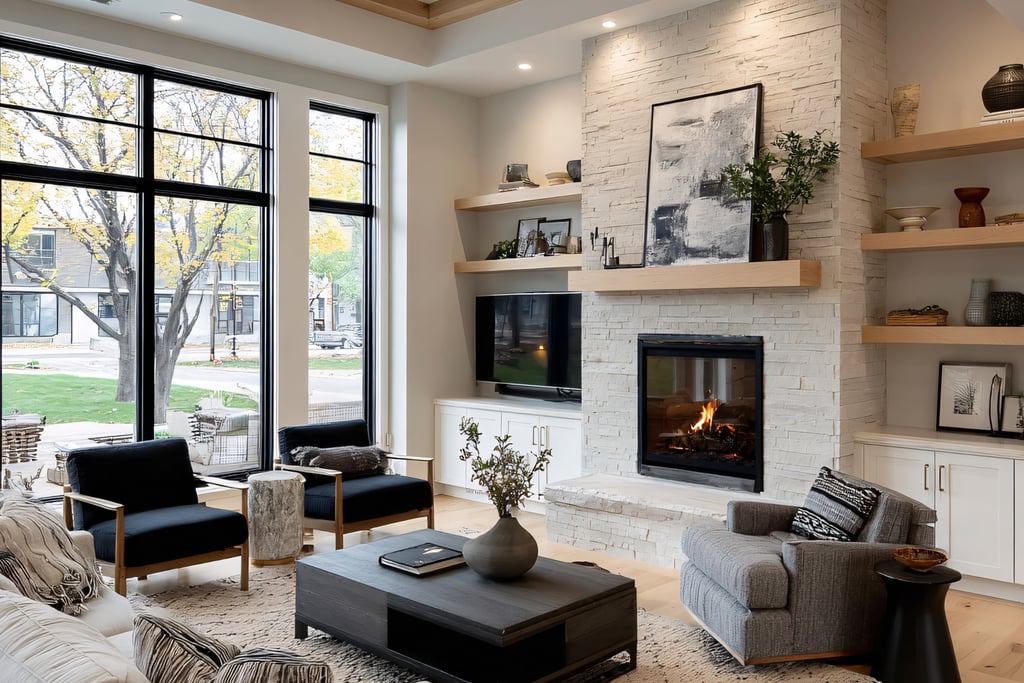
Clean lines are the backbone here. Go for furniture with simple shapes that don’t shout for attention.
Straight edges and geometric forms bring a sense of order, but you don’t have to make it harsh. A few subtle curves can soften things up without losing that polished feel.
Keep the simplicity going throughout your space. Limit decorative objects to the ones that honestly make your home better. If something just adds visual noise, let it go.
Key elements to focus on:
Unadorned furniture frames
Simple window treatments
Minimal hardware and fixtures
Streamlined storage solutions
Uncluttered surfaces
This doesn’t mean you need to live in a blank box. The goal is to arrange things so each piece has a little breathing room.
Neutral Color Palettes and Warmth
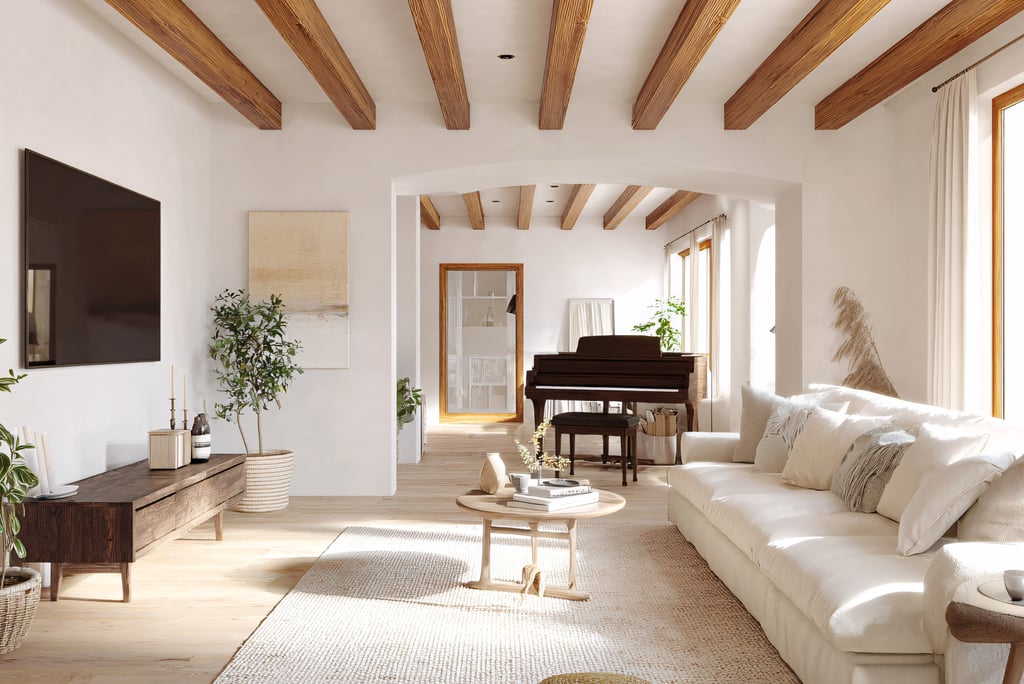
Neutral colors really anchor the 2026 cozy-minimalist look, but it’s not just about stark white anymore. You’ll spot more warm beiges, soft taupes, and creamy off-whites that make a room feel welcoming.
Try layering different shades from the same neutral family for depth, without making things busy. Warm grays with sandy hues work nicely and keep things cohesive.
Bring in warmth through your materials. Natural wood, whether in the floors or furniture, adds that organic coziness. Layer in texture with woven textiles, linen, and wool in matching neutrals.
Popular 2026 neutral combos:
Warm white + natural oak + soft taupe
Cream + terracotta undertones + light gray
Beige + warm wood + off-white
The palette sets a mood that’s calm and restful, not cold.
Prioritizing Natural Light and Greenery
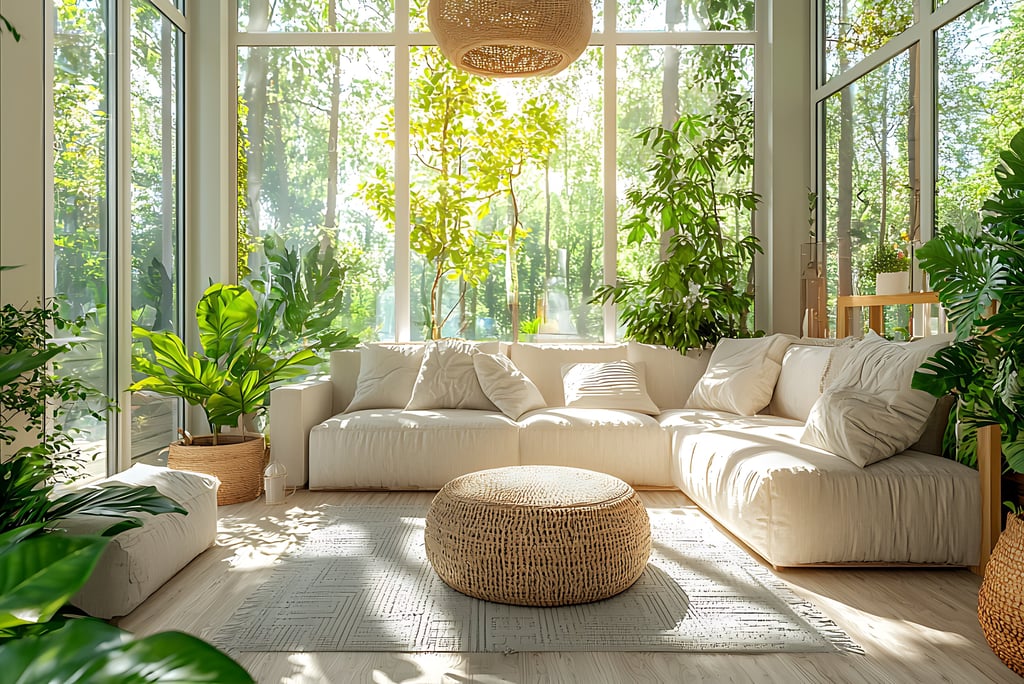
Natural light’s a game changer in cozy-minimalist spaces. Max out your window exposure—use sheer curtains or skip heavy treatments so sunlight can pour in.
Mirrors can help too, bouncing light around and making rooms feel brighter. Light-colored walls and floors also help reflect sunlight deeper into your home.
Greenery brings a little life and texture to these pared-back spaces. Pick plants that suit your light and your willingness to care for them. Big ones like fiddle leaf figs or monstera make a statement, while smaller succulents or pothos work great on shelves or tables.
Plant placement ideas:
Put tall plants in empty corners to soften sharp angles
Let trailing plants spill off high shelves
Group small plants in odd numbers
Keep greenery near windows or other light sources
Plants keep things from feeling too stiff or staged. They add natural color and shapes that play nicely with clean lines.
JANET HOWARD New York
Designed for women who own their power, command attention without asking for it, and step into every moment with effortless sophistication.

Key Design Elements and Early Trends to Watch
The 2026 look mixes warmth and restraint by focusing on certain materials, lighting, and flexible styling. You’ll spot homes with tactile layers, lots of wood, thoughtful lighting, and accessories you can swap out as your needs change.
Layered Textiles and Rich Textures
People are swapping out framed art for textile wall hangings. It’s a way to add something tactile and organic, especially when everything else feels a little too digital.
Try hanging a vintage rug on the wall, suspending a tapestry from a metal rod, or framing fabric without glass so you keep that texture.
Decorative details are sneaking back in—bullion fringe, beaded trim, tassels—especially on upholstery and curtains. These little extras add a hint of luxury, but don’t overpower the minimalist vibe. They work best on sofas, beds, or window treatments where they catch the light and create some movement.
Burl wood furniture, with its swirly knots and patterns, has been trending hard—searches are up over 5,000%. It goes hand-in-hand with chunky Brutalist pieces that have patina and presence. The smoothness of textiles against wood grain gives you that cozy-minimalist contrast everyone’s after.
Blending Natural Materials for Authenticity
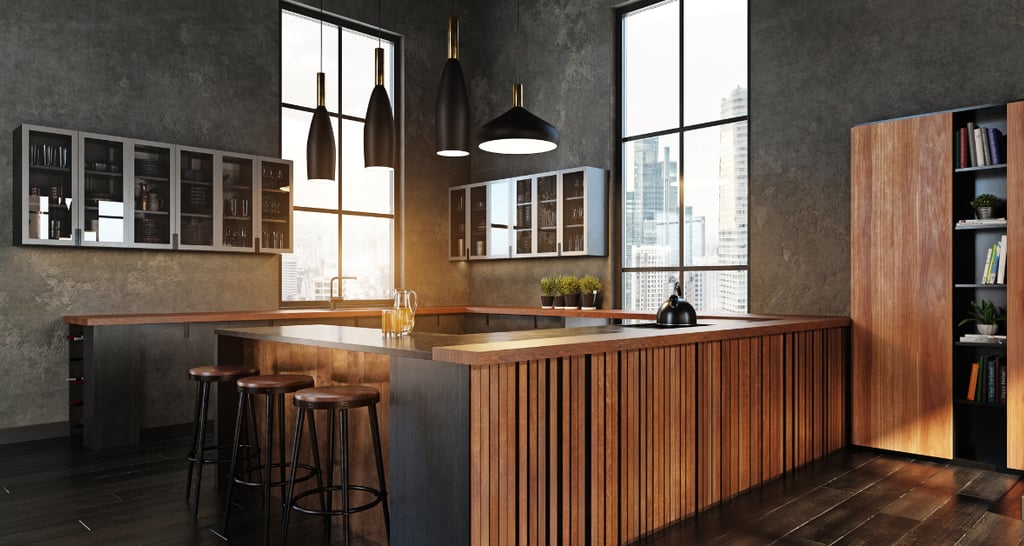
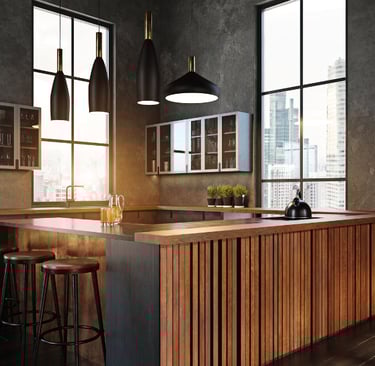
Wood’s having a major moment for 2026, especially in darker, more character-rich types like walnut or reclaimed oak. Unfitted kitchens are big too—think stand-alone furniture instead of matching cabinets, so you can mix up wood tones and finishes for a collected-over-time look.
Natural material combos keep things from feeling flat:
Wood + Stainless Steel: Warm wood with brushed metal handles
Wood + Stone: Old oak counters with marble backsplashes
Wood + Linen: Sleigh-style beds with loose-weave linens
People love "living finishes" that show their age, no more sealing everything to death. Materials that change with use add character and fit the lived-in feeling this trend is all about. Even your metal fixtures can age gracefully, showing off a bit of patina over time.
Color-wise, artichoke green and chocolate brown are popping up as new favorites, often paired with dusty blues. These shades nod to biophilic design but stay true to the cozy-minimalist palette.
Elevating Spaces with Ambient Lighting
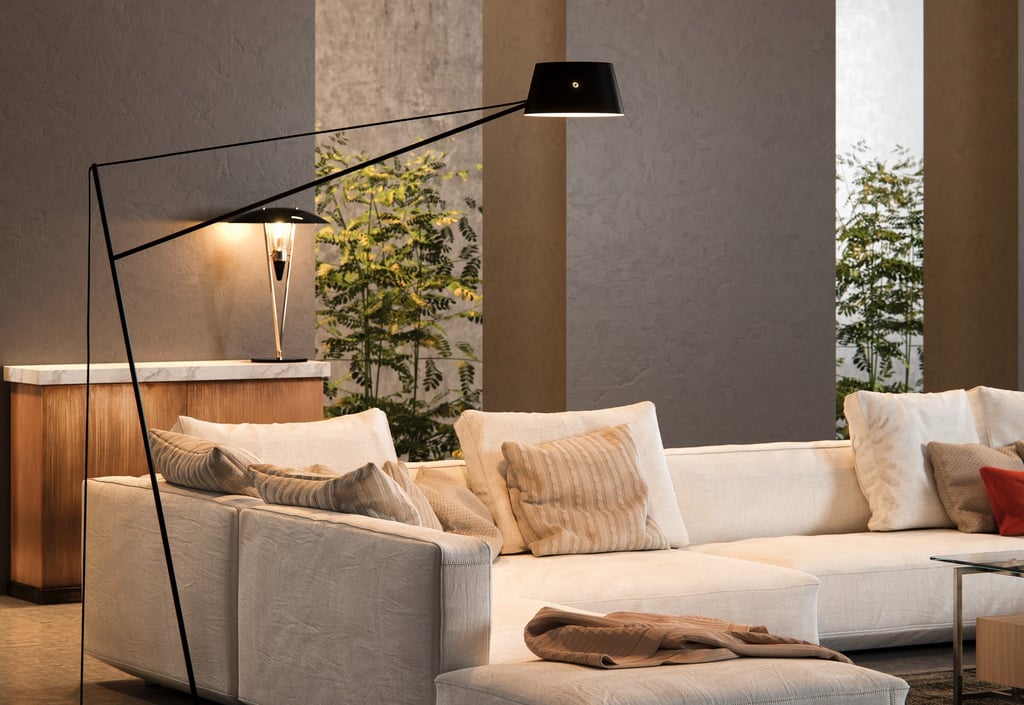
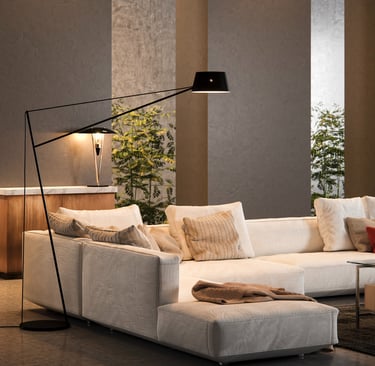
You set the mood with layered lighting instead of just one overhead fixture. Metal lamps and fixtures look best next to natural materials—a brass floor lamp beside a linen sofa, or iron sconces against wood paneling.
Tactile metalwork pulls double duty as both lighting and sculpture. Fixtures with visible patina or hand-worked details add a cozy glow and fit the whole imperfect-by-design thing. Bronze, brass, and blackened steel bring some weight without getting too fussy.
Pay attention to how light hits textured surfaces throughout the day. Tapestries and wood grain cast shifting shadows, so your space feels alive even when you’re not doing anything special.
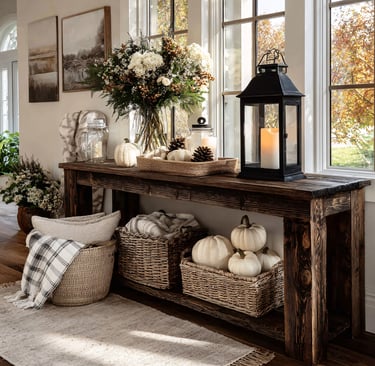
Seasonal Decor and Flexible Accents
Occasional sofas—think smaller, not-so-essential seating you might stick in a hallway, kitchen, or bedroom—give you a chance to play around with bold fabrics or quirky shapes. You don't have to worry about shaking up your main living space if something feels too wild.
Maybe you reupholster a vintage find when the mood strikes, or just swap out cushions to give the room a fresh vibe. It’s surprising how much a little change can wake up a space.
Hand-painted tiles with floral or artsy patterns can totally replace those geometric backsplashes. They bring in a pop of visual interest, even if the rest of the room stays put.
It’s like a seasonal focal point—something that changes the feel without you having to move furniture around.
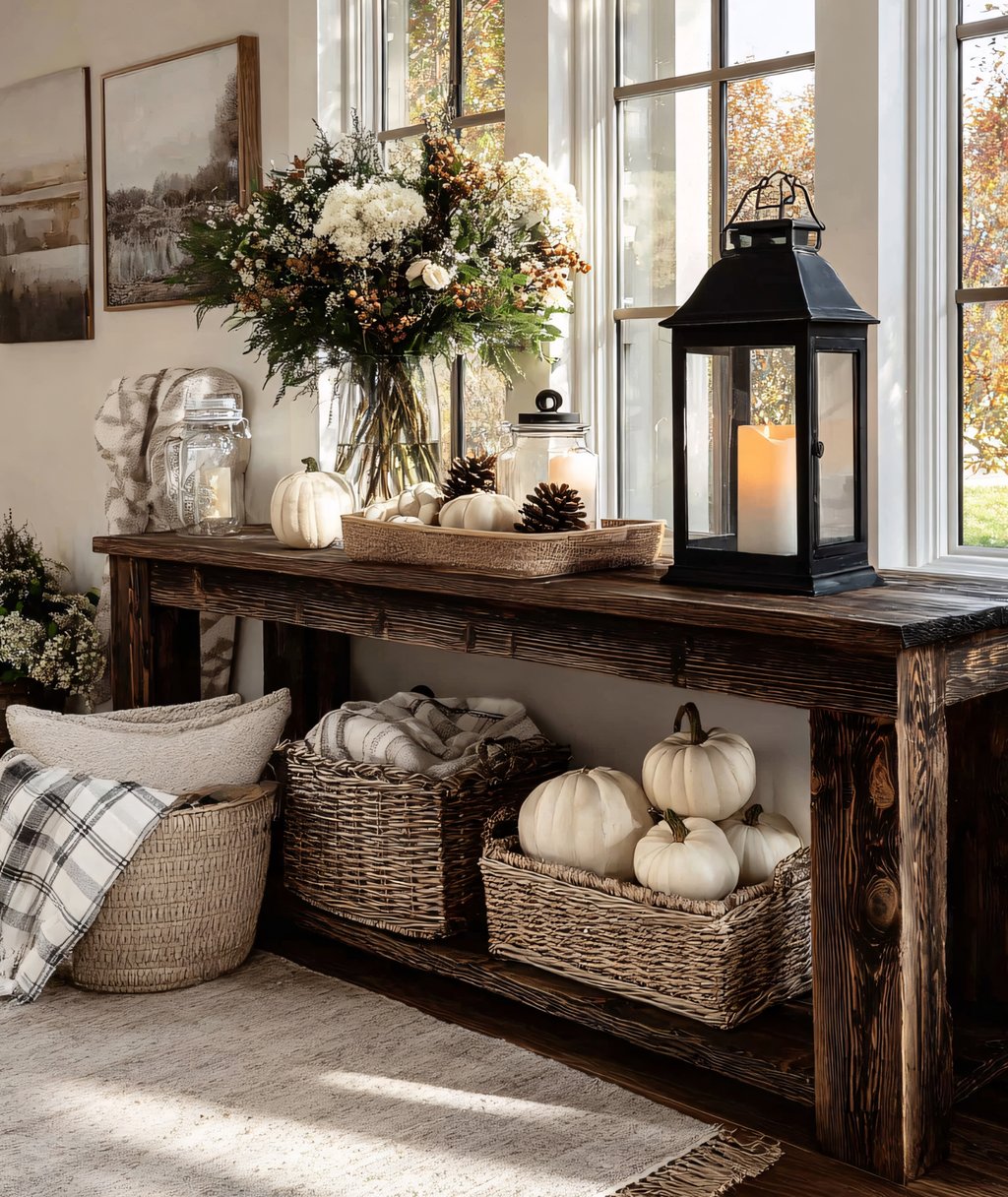
Flexible accents? Here are a few ideas:
Removable textile wall hangings you can swap out every few months
Cushions with trims or fringe you change up whenever you feel like it
Vintage furniture that’s always on the move between rooms
Big prints (two meters wide, even) that make a statement without breaking the bank
This whole approach keeps things pretty minimalist at the core, but lets your personality sneak in through all those little changeable details. Permanent installations? Not really the vibe here.
Return the Unconditional Love with ZEAL
Every ZEAL recipe begins with nature’s best—clean proteins, nourishing superfoods, ethical sourcing, and the care your pet deserves.

